
AI in Review: Are Large Language Models the Future of Peer Evaluation?
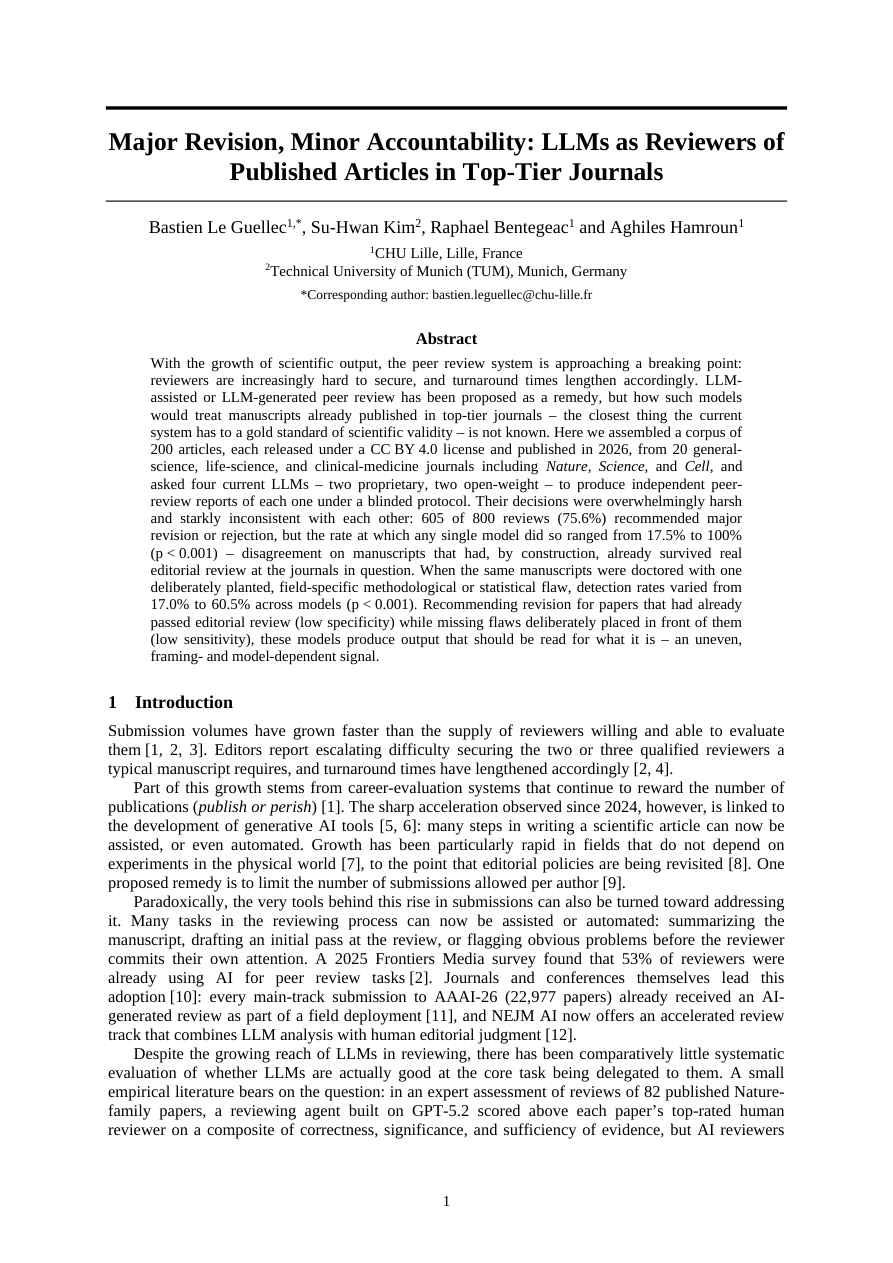
As scientific output soars, the peer review process faces an existential crisis: too many papers and not enough qualified reviewers. A new study sheds light on this pressing issue by exploring how Large Language Models (LLMs) perform in reviews of published articles from prestigious journals. This research casts doubt on the reliability of AI-assisted peer reviewing, suggesting that while they may hold promise, LLMs aren't yet up to the task.
The Challenge of Peer Review
The study highlights a growing challenge within the scientific community: the number of papers submitted to journals is outpacing the pool of available reviewers. Editors are increasingly struggling to find qualified individuals, which leads to longer wait times for authors. In this context, proponents of AI have proposed using LLMs to assist in the review process, with the goal of improving efficiency and maintaining quality.
Key Findings of the Study
A team of researchers analyzed 200 articles from top-tier journals, assessing how four different LLMs responded to the submitted works. Alarmingly, 75.6% of the AI reviews recommended major revisions or outright rejection, despite these articles already having passed thorough editorial review. This inconsistency varied wildly across models, with some recommending revisions for all submissions while others were more lenient.
Inconsistency Abounds
One of the most striking takeaways from the study is the inconsistency between the models. The harsh recommendations from LLMs echoed a significant lack of specificity and sensitivity when it came to detecting flaws—only 17% to 60% of deliberately introduced errors in the manuscripts were identified by the models. This stark disparity raises concerns about the reliability of AI in a role that should ideally be objective and consistent.
The Fragility of AI Evaluations
The researchers further found that presenting the same manuscript as a revision dramatically shifted LLM decisions. When reviewers were informed that the manuscript had already undergone review, the recommendations became significantly more lenient. This suggests that LLMs might struggle with consistent assessment and could be prone to bias based on context, undermining trust in their evaluations.
Conclusion: A Cautious Path Forward
While integrating LLMs into the peer review process might appear to offer a feasible solution, the findings underscore the necessity of maintaining human oversight in editorial decisions. The variable and model-dependent output of LLMs can serve as a useful supplement to human judgment, but they must not replace it. Editors looking to leverage AI should first establish a continuous evaluation mechanism, ensuring that models are validated against each journal's standards before being deployed.
As artificial intelligence continues to evolve and permeate various aspects of academic publishing, it is crucial for researchers and editors alike to remain vigilant and discerning in assessing the capabilities and limitations of AI in peer review.
Authors: Bastien Le Guellec, Su-Hwan Kim, Raphael Bentegeac, Aghiles Hamroun


