
Why Understanding Hydrology Is Key to Solving Water Crises Worldwide
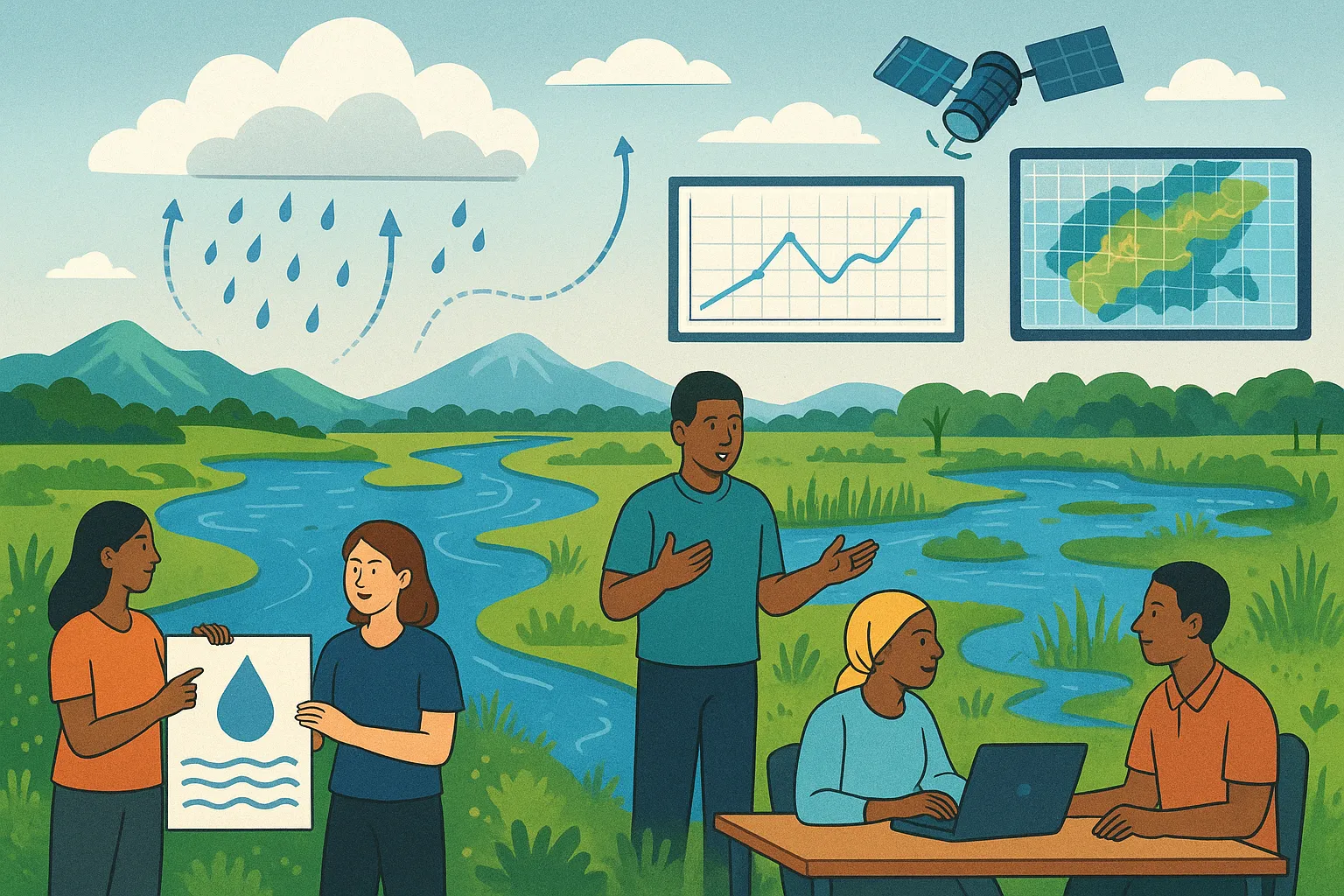
Water is an essential resource for life, but its availability is under increasing threat from climate change, pollution, and mismanagement. Yet, few people realize the critical role that hydrology—the study of water movement, distribution, and quality—plays in addressing these challenges. In this article, we’ll explore what hydrology is, why it matters, and how understanding it can empower us to tackle the looming global water crises.
The Basics of Hydrology
At its core, hydrology examines the water cycle: how water evaporates from the Earth's surface, forms clouds, and returns as precipitation. But it goes beyond mere observation. Hydrologists analyze data to predict water availability, assess risks like flooding or drought, and recommend sustainable practices for managing this precious resource.
Why Hydrology Matters Now More Than Ever
As climate change accelerates, the patterns of rainfall and water availability are becoming increasingly unpredictable. According to the United Nations, by 2025, 1.8 billion people will live in areas with absolute water scarcity. Understanding hydrology is crucial for governments, farmers, and city planners to develop strategies that ensure a stable water supply.
The Role of Technology in Hydrology
Recent advancements in technology, such as satellite imagery and data modeling, have revolutionized hydrology. These tools allow scientists to monitor changes in water bodies and predict future scenarios with impressive accuracy. For instance, using real-time data can help mitigate flooding disasters, ensuring that communities are better prepared and less vulnerable.
Empowering Communities through Hydrology Education
Education is an essential component in tackling water crises. By increasing awareness of hydrological processes and encouraging responsible water usage, communities can contribute to sustainability efforts. Local workshops and school programs can empower individuals to take action at the grassroots level, fostering a culture that values and protects water resources.
Conclusion: A Collective Responsibility
Hydrology isn’t just for scientists and policymakers—it's for everyone. By understanding the importance of this field, individuals can play a role in preserving our water resources. As global citizens, it falls on all of us to advocate for better management practices and support initiatives that promote the responsible use of water. Whether it's through conservation efforts or educating others, every action counts in the fight against water scarcity.




