Why Sports Psychology is the Secret Weapon Every Athlete Needs to Succeed
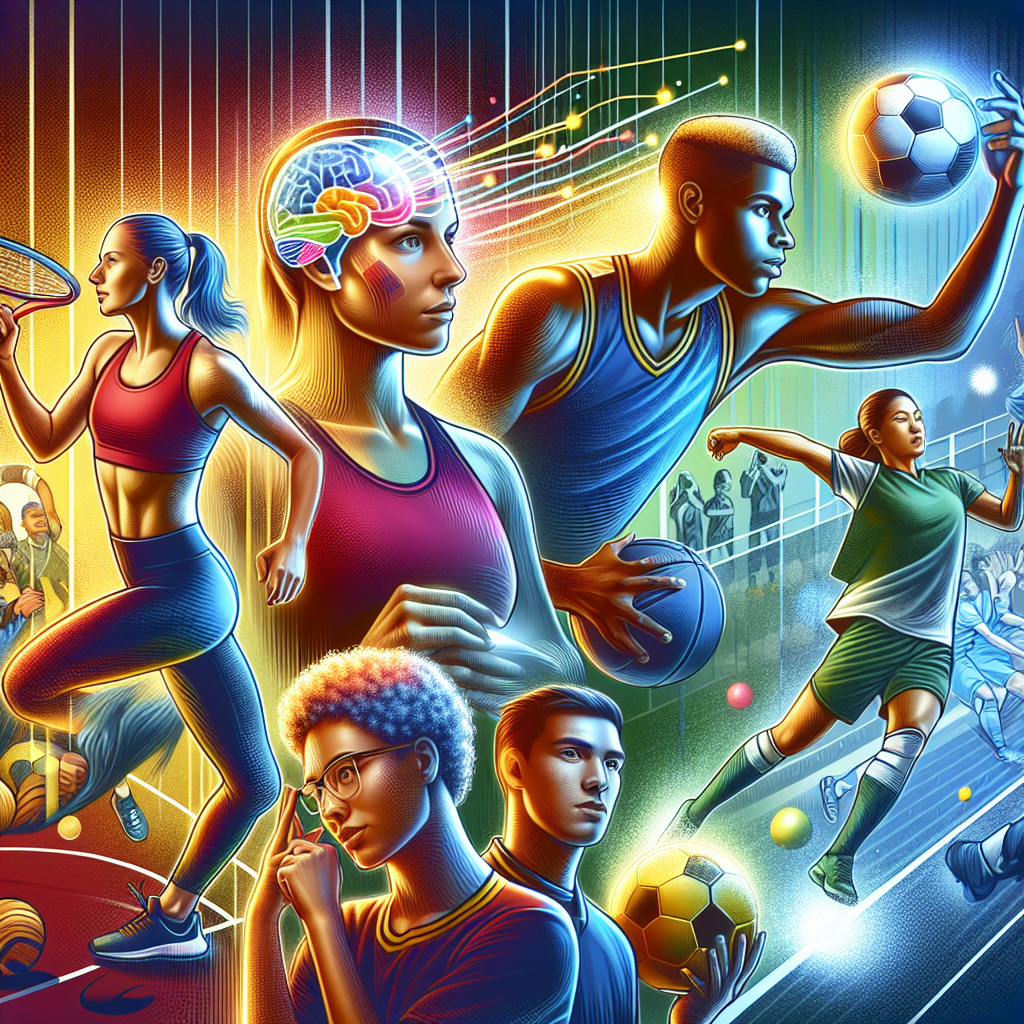
In the high-stakes world of sports, where every millisecond counts and the pressure can be overwhelming, mental resilience often defines the difference between champions and also-rans. While physical strength and technical prowess are crucial, the role of sports psychology is increasingly recognized as a game-changer in helping athletes reach their peak performance. But what exactly is sports psychology, and how can it transform a player's mindset?
Understanding Sports Psychology
At its core, sports psychology is the study of how psychological factors influence performance in sports and exercise. It encompasses a range of techniques and strategies designed to enhance an athlete's mental edge. From visualization and goal-setting to learning how to cope with anxiety and maintain focus, sports psychology equips athletes with the tools to navigate the mental challenges of their sport.
The Power of Mental Training
Imagine standing at the starting line of a marathon, heart racing, and the crowd's cheers ringing in your ears. In that moment, athletes must not only rely on their training but also control their mental state. Mental training exercises, which are a key element of sports psychology, help athletes build the concentration needed to stay calm under pressure. By practicing mindfulness or visualization techniques, they can see themselves succeeding in their sport, effectively programming their brains for victory.
Overcoming Performance Anxiety
One of the most significant hurdles many athletes face is performance anxiety—a condition that can hinder even the most skilled competitors. This fear of failure can lead to poor performance, a cycle that can be challenging to break. Sports psychologists work with athletes to develop coping strategies, such as breathing techniques and positive self-talk, to reduce anxiety and build confidence. Understanding that nervousness is a natural response can also help athletes harness that energy for improved performance.
Building Team Dynamics
Success in sports isn't just about individual performance; teamwork plays a crucial role. Sports psychology emphasizes the importance of communication, trust, and cohesion within teams. By fostering a positive team environment, athletes can enhance their collaborative efforts and maximize everyone’s potential. Studies show that teams with strong psychological bonds perform better, both in training and during competitions.
Beyond the Game: Life Skills
The benefits of sports psychology extend far beyond the playing field. The skills athletes learn—such as goal setting, resilience, and stress management—are invaluable in everyday life. Whether it's handling pressure at work or maintaining focus in academics, the principles of sports psychology can help individuals achieve their non-sporting aspirations as well.
Conclusion: Investing in Your Mental Game
While training the body is essential, it’s equally important to nurture the mind. Sports psychology offers athletes a pathway to not only enhance their performance but also foster a healthier mindset. As the landscape of competitive sports continues to evolve, embracing the mental side of training isn't just smart; it's essential. The next time you see an athlete triumph over adversity or deliver an outstanding performance, remember: behind that victory is often a well-trained mind.

