
Why Computer Graphics Are the Secret Sauce Behind Your Favorite Movies and Video Games!
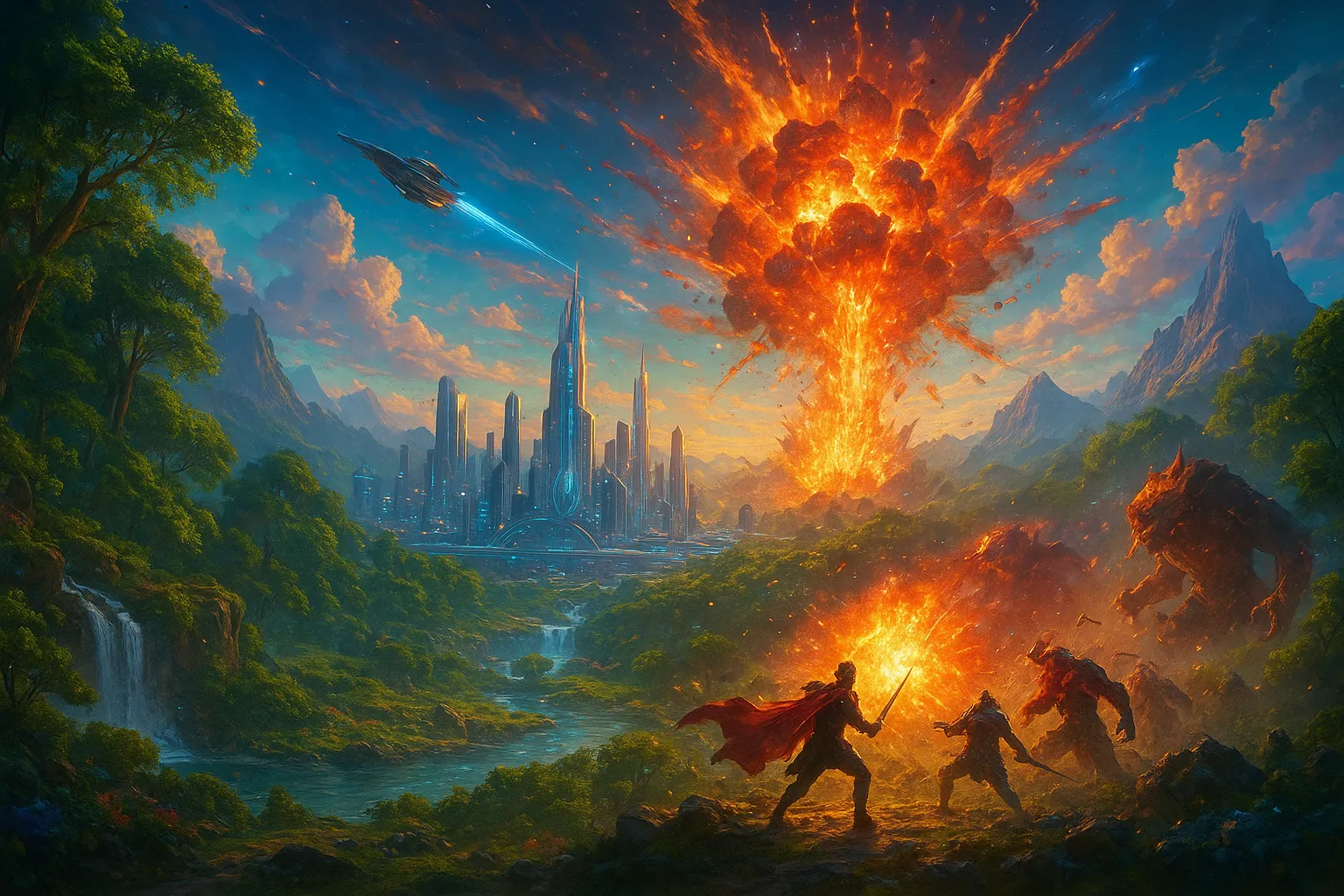
Imagine sitting in a dark cinema, your heart racing as you watch spectacular explosions, epic battles, and fantastical worlds come alive on the big screen. Or think about losing yourself in a video game, navigating through stunning landscapes, battling fearsome creatures, all while feeling like you're truly part of that universe. What powers these incredible experiences? The answer is computer graphics! In this article, we’ll dive into the fascinating world of computer graphics, exploring how it shapes our digital experiences and why it matters to you.
The Basics: What Are Computer Graphics?
At its core, computer graphics is the creation of visual content using computers. This can range from simple images and animations to complete 3D environments that you can explore. Think of it as a digital painting, but instead of using brushes and colors, artists and programmers employ advanced algorithms, software, and a lot of creativity to produce stunning visuals that can look almost real.
Computer graphics is not just about what you see on the screen; it also involves the processes that bring those images to life. From rendering the beauty of a landscape to simulating realistic physics, computer graphics combines art and science in ways that influence multiple industries.
The Technology Behind the Magic
One might wonder, how do these mind-blowing effects come to life? The technology behind computer graphics is vast and varied. It includes essential techniques like rasterization (turning 3D models into images), ray tracing (simulating light and shadows for realism), and shaders (programs that add surface effects). With advancements in graphics processing units (GPUs), these processes have become faster and more sophisticated, allowing creators to produce stunning results in real time.
For example, have you ever marveled at the lifelike fur or realistic water in a video game? Those details are made possible through remarkable techniques in computer graphics, which bring a whole new level of immersion and excitement to our virtual experiences.
Applications Beyond Entertainment
Computer graphics isn't just for gaming and movies—its influence stretches into various fields. In architecture, 3D modeling helps clients visualize buildings before they are constructed. In medicine, graphics are used to create detailed images of the human body, aiding in diagnosis and treatment planning. Even education benefits, as students engage more with interactive visual content that makes complex subjects easier to understand.
Moreover, as technology advances, we’re moving toward virtual and augmented reality experiences that blend the real and digital worlds. Imagine putting on a headset and walking through a historical site that has been digitally recreated, or using your phone to visualize how a new piece of furniture would look in your living room. Computer graphics are the backbone of these transformative experiences.
The Future: What's Next?
The future of computer graphics looks bright and exciting. With continued advancements in artificial intelligence and machine learning, we can anticipate even more realistic and dynamic visuals. AI algorithms can now help artists speed up their workflows, turning their ideas into tangible realities faster than ever before.
Moreover, the advent of cloud computing has enabled more collaborative efforts in creating graphics, allowing teams from around the world to work together seamlessly despite geographical barriers. As we step further into this technological era, the possibilities in computer graphics seem limitless.
Final Thoughts: Why You Should Care
As a consumer, understanding the power of computer graphics enhances your appreciation for the digital experiences you encounter daily. It’s not just eye candy; it’s a complex interplay of creativity, technology, and psychology that shapes how we interact with the world around us.
So, the next time you sit back to enjoy your favorite film or video game, remember that behind every stunning visual is a team of dedicated artists and technologists who weave magic through computer graphics. Their work connects us to new worlds and enhances our understanding and enjoyment of storytelling in the digital age.




