Unveiling the Secrets of Fmarketing Psychology: What Makes You Click (and Buy)?
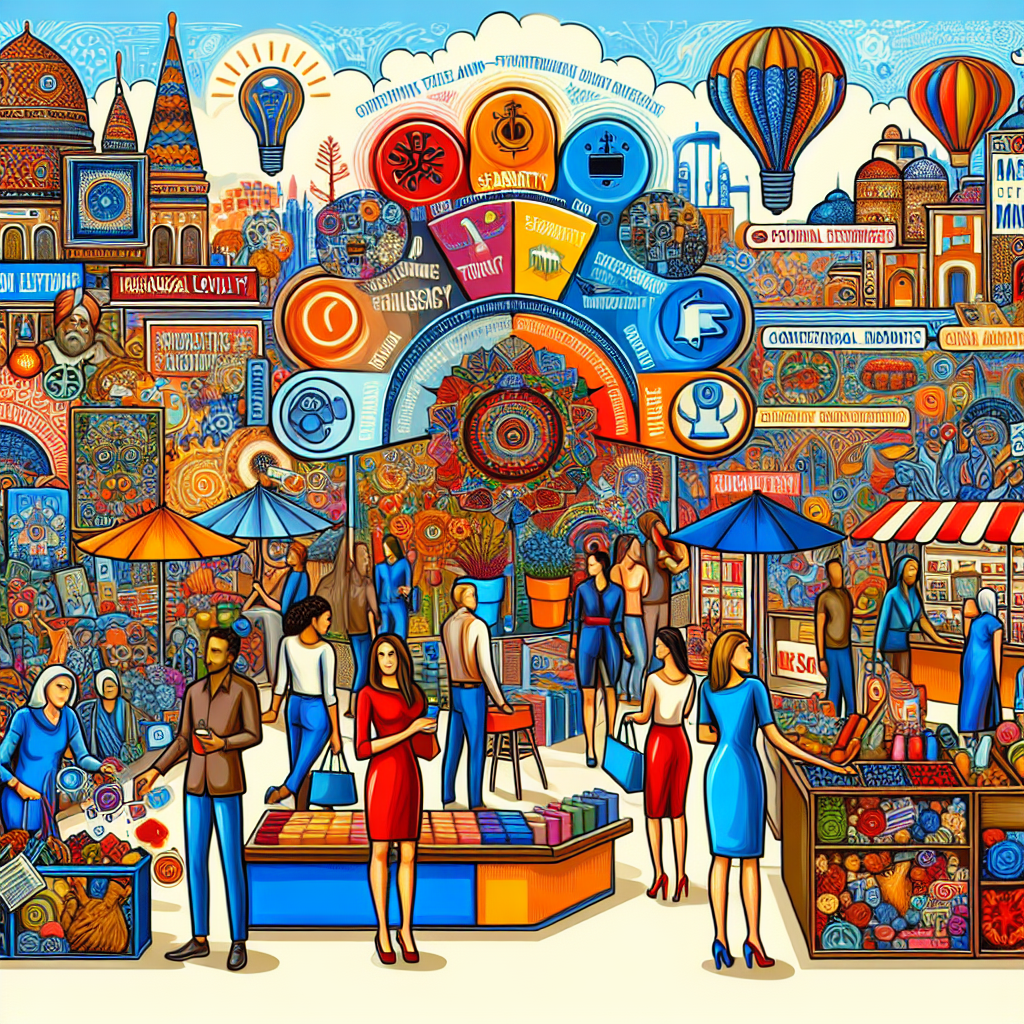
In a world overflowing with choices, understanding what drives consumer behavior has become crucial for businesses. Enter fmarketing psychology—a blend of marketing and psychological insights that reveals why we make the decisions we do. From colors that entice to strategic placements that coax our wallets open, let's dive into the fascinating realm of how our minds are wired to react—and how businesses capitalize on that knowledge.
The Art of Persuasion: How It Works
At its core, fmarketing psychology leverages cognitive tricks and emotional connections to persuade consumers. Think about it: have you ever clicked "buy" on an item without fully understanding why? That's the power of psychological triggers at work. Marketers use strategies like scarcity (limited time offers), social proof (reviews and testimonials), and reciprocity (free samples) to create urgency and trust. These elements tap into our innate biases, often leading us to make impulsive purchases we hadn’t initially planned.
Color Psychology: More Than Just a Pretty Palette
Colors play a pivotal role in how we perceive brands and products. For example, did you know that blue is often associated with trust and dependability? That’s why many banks and tech companies prefer this hue in their branding. Meanwhile, red can evoke feelings of excitement and urgency—perfect for sales. Understanding how different colors affect emotions allows marketers to create compelling visuals that resonate with their target audience and drive conversions.
The Role of Storytelling in Fmarketing
Humans are hardwired for stories, making this a powerful tool in fmarketing psychology. When a brand shares a narrative, whether it’s about the origin of a product or the challenges overcome by a founding entrepreneur, it creates an emotional connection. This connection not only captures attention but also fosters loyalty. People are more likely to purchase from brands they feel they know on a personal level, making storytelling an invaluable strategy in today’s competitive market.
Creating Loyalty Through Familiarity
Have you ever noticed how certain brands tend to stick around? Familiarity breeds comfort, and marketers know this. By consistently exposing consumers to their branding—through ads, social media interactions, and email campaigns—companies can create a sense of reliability. The mere exposure effect suggests that the more often we see a brand, the more we like it, which can significantly impact purchasing decisions. It’s a psychological approach to cultivating brand loyalty that keeps consumers coming back for more.
The Pitfalls: Ethical Considerations in Fmarketing
While fmarketing psychology offers immense potential for businesses, it also raises ethical concerns. Manipulating consumers with psychological tactics can lead to mistrust and dissatisfaction if not handled with care. For instance, creating a false sense of scarcity can lead to buyer's remorse and negative brand perception. Ethical marketing should aim to inform and empower consumers rather than deceive them, striking a balance between persuasion and integrity.
In conclusion, fmarketing psychology is a powerful tool that can enhance marketing strategies and drive consumer behavior effectively. As we become more aware of these techniques, both marketers and consumers have a role to play—whether it’s leveraging psychology for effective advertising or holding brands accountable for their practices. Understanding these dynamics not only makes us smarter consumers but also reshapes the landscape of modern business.

