
Unraveling the Mind: How Cognitive Psychology is Transforming Our Understanding of Thought
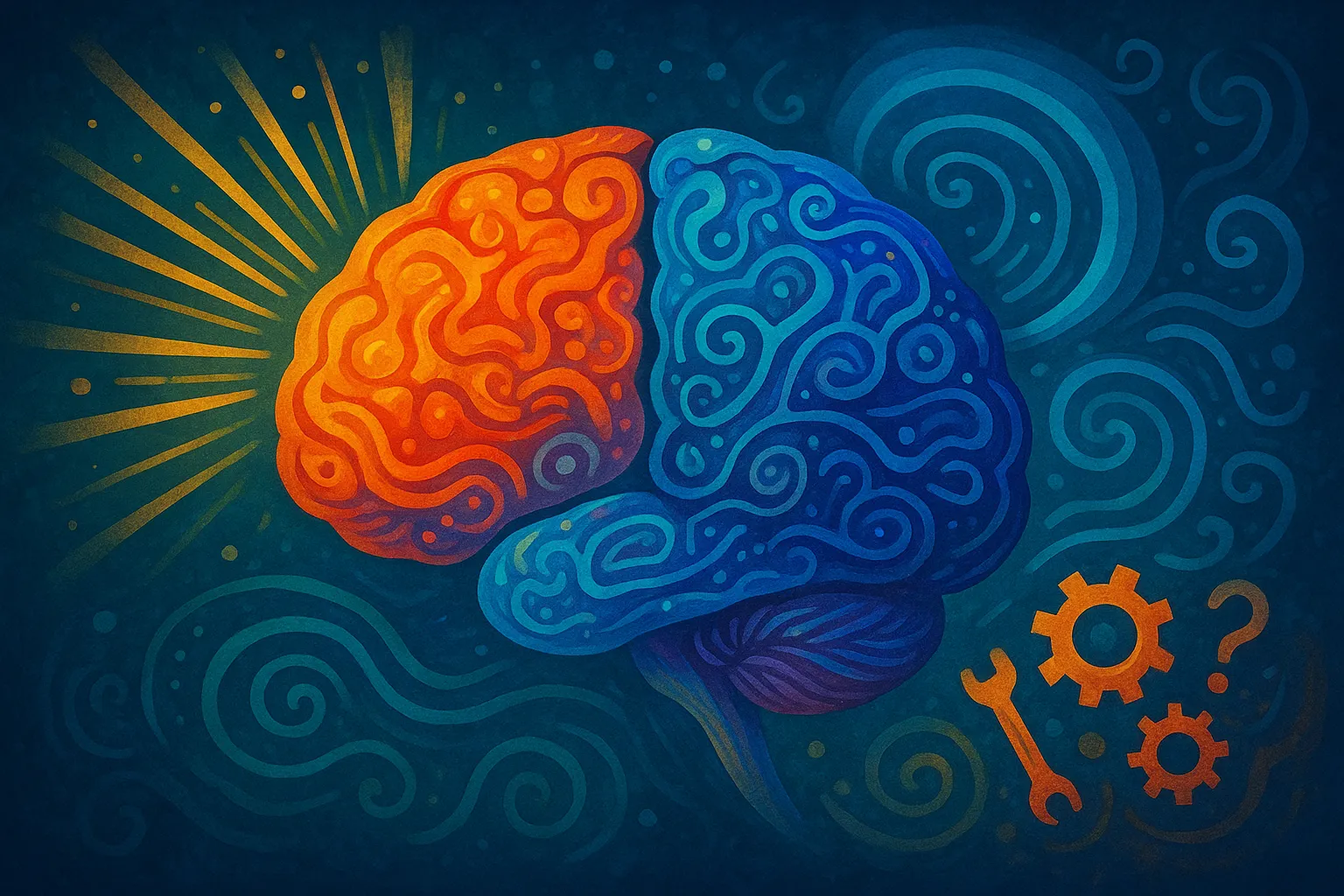
In an era defined by rapid technological advancement and an overwhelming influx of information, the way we think and process our thoughts has never been more crucial. Welcome to the fascinating world of cognitive psychology, a branch of psychology that delves deep into understanding mental processes such as perception, memory, and problem-solving. Join us as we uncover how cognitive psychology not only sheds light on common human behaviors but also offers practical insights that can enhance our daily lives.
What is Cognitive Psychology?
Cognitive psychology is, in essence, the study of the mind and its functions, particularly focusing on how we perceive, think, remember, and learn. Unlike other branches of psychology that might emphasize emotions or social interactions, cognitive psychology zeroes in on internal mental processes. Think of it as peering inside the mind to see how our thoughts shape our behaviors.
The Power of Perception: How We Interpret Our World
One of the key areas cognitive psychology explores is perception—how we interpret sensory information to make sense of our surroundings. For example, take an optical illusion. What you see can dramatically differ from reality based on your brain's interpretation of visual stimuli. Understanding perception helps us recognize that our experiences are not merely about the world as it is, but about how we intellectually and emotionally engage with that world.
Memory: The Mind's Not-so-Perfect Archive
Have you ever forgotten where you placed your keys or struggled to recall a name? Memory plays a crucial role in our daily functioning, yet it is notoriously fallible. Cognitive psychologists investigate different types of memory—short-term, long-term, and working memory—to understand how we encode, store, and retrieve information. Studies have shown that our memories can be influenced by many factors, including emotion and suggestion, highlighting that recall is often less about accurate portrayal and more about reconstructive processes.
Problem-Solving: The Cognitive Toolkit
When faced with challenges, how we approach problem-solving is deeply rooted in cognitive psychology. Researchers in this field study various strategies and heuristics that people use to find solutions. For instance, some might rely on trial and error, while others might develop a systematic approach based on logical reasoning. By recognizing these different methods, we can refine our own problem-solving skills, making us more adept at tackling everyday challenges.
Why Cognitive Psychology Matters in Everyday Life
The implications of cognitive psychology stretch far beyond academic theory; they manifest in our everyday decisions and interactions. Understanding how our minds work allows us to enhance our learning capabilities, improve our decision-making processes, and even foster better communication with others. By applying concepts from cognitive psychology, we can optimize our mental efficiency and cultivate healthier relationships—with ourselves and others.
Conclusion: A Journey into the Mind's Labyrinth
Cognitive psychology invites us to explore the intricacies of our own minds. By understanding how we think, perceive, and remember, we can unlock potential pathways to personal and professional growth. As you continue your journey through life, consider how these insights can be applied to enrich your understanding of yourself and the world around you. The mind is a labyrinth; understanding its pathways can lead to greater wisdom and fulfillment in our everyday lives.




