
Unmasking the Shadows: How Psychopathology is Influencing Our Lives More Than We Realize
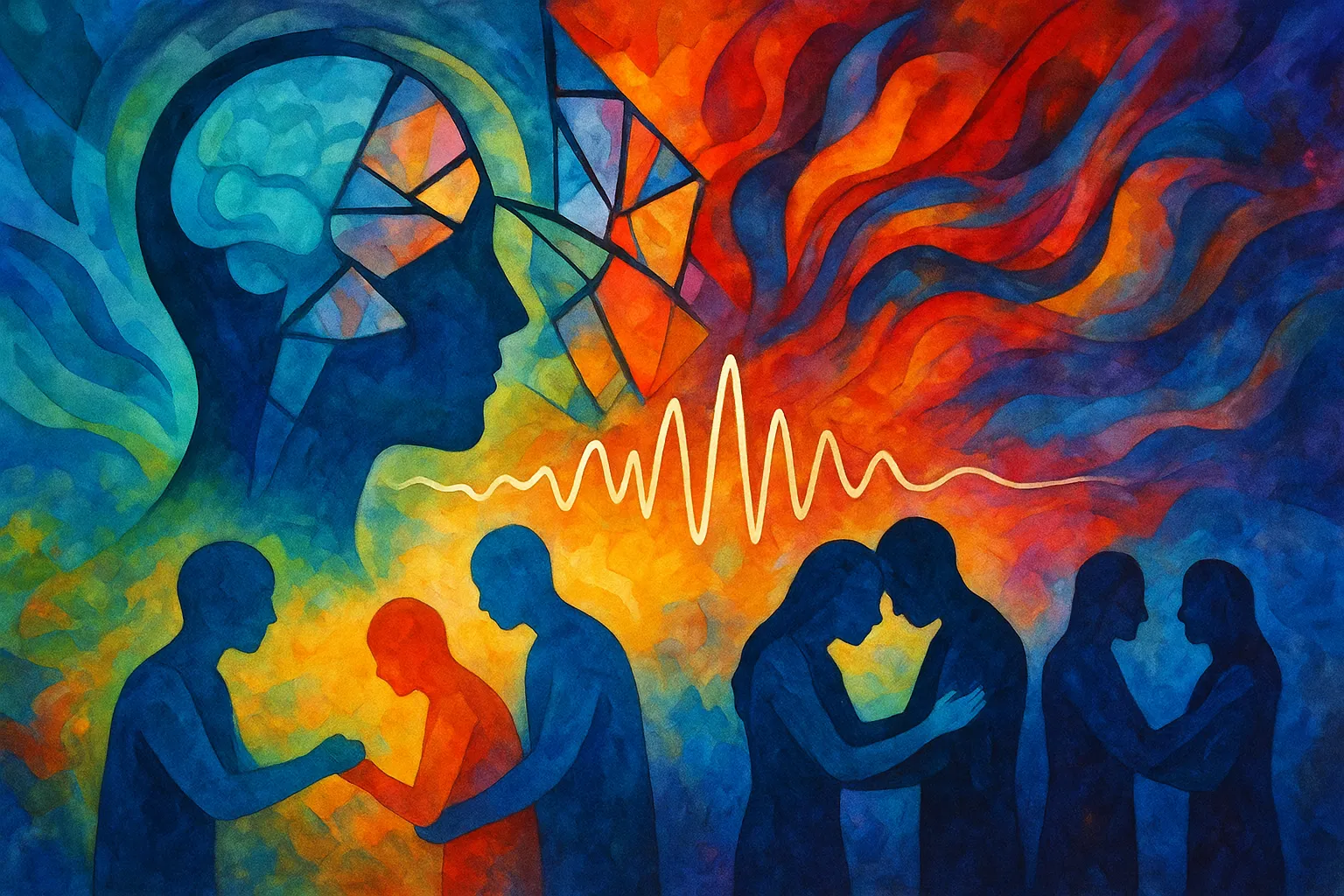
When we think of psychopathy, images of cold-blooded killers often come to mind, but the reality is far more nuanced. Psychopathology, the study of mental disorders, is a realm that affects millions, shaping behaviors, relationships, and even societal norms in ways we might not even be aware of. Understanding this complex field can empower us to recognize signs and promote mental health awareness in our daily lives.
What is Psychopathology? Demystifying the Term
Psychopathology refers to the scientific study of mental disorders, which can range from anxiety and depression to more severe conditions like schizophrenia and borderline personality disorder. It’s not just about identifying the 'crazy' behaviors but understanding the underlying emotional and cognitive processes that lead to them. One fascinating aspect of this area is that many common behaviors can be rooted in psychopathological conditions, making this topic relevant to everyone.
The Spectrum of Psychopathology: More Common Than You Think
Believe it or not, almost one in five adults in the United States lives with a mental illness, which equates to around 51.5 million people. This staggering statistic shows that the effects of psychopathology reach beyond the patient’s experience, rippling through families and communities. Conditions such as anxiety and depression are prevalent among individuals, often manifesting in ways like social withdrawal or changes in appetite and sleep. These signs are sometimes overlooked, yet they offer pivotal insights into a person's mental state.
Everyday Impacts of Psychopathology
Psychopathological issues don’t just stay in secluded therapy offices; they have real-world implications. For instance, untreated mental health disorders can lead to difficulties in work settings, strained personal relationships, and even escalation into more severe issues, such as substance abuse or self-harm. Understanding the nuances and effects of these disorders can foster empathy in our interactions with those struggling, urging us towards support rather than stigma.
Seeking Help: Breaking the Stigma
Despite the prevalence of psychopathological disorders, stigma remains a substantial barrier to seeking help. Many individuals still feel shame or embarrassment about their mental health, obstructing them from accessing the resources they need. It’s essential to normalize mental health discussions in our daily interactions, advocating for open dialogues that can potentially lead to healing. Community support groups, therapy, and educational resources can all play pivotal roles in making mental health care accessible to those in need.
Conclusion: The Path Forward
Psychopathology is a vital component of our collective human experience that often goes unnoticed. By acknowledging its prevalence and understanding its wide-ranging impacts, we can foster a more supportive and informed society. Whether it’s becoming an ally for someone facing mental illness, or recognizing the signs in ourselves, awareness is the first step towards change. Let’s unmask the shadows together and create an environment where mental health is prioritized, celebrated, and supported.




