
Unmasking the Gods: How Greek Mythology Shapes Our Modern Lives
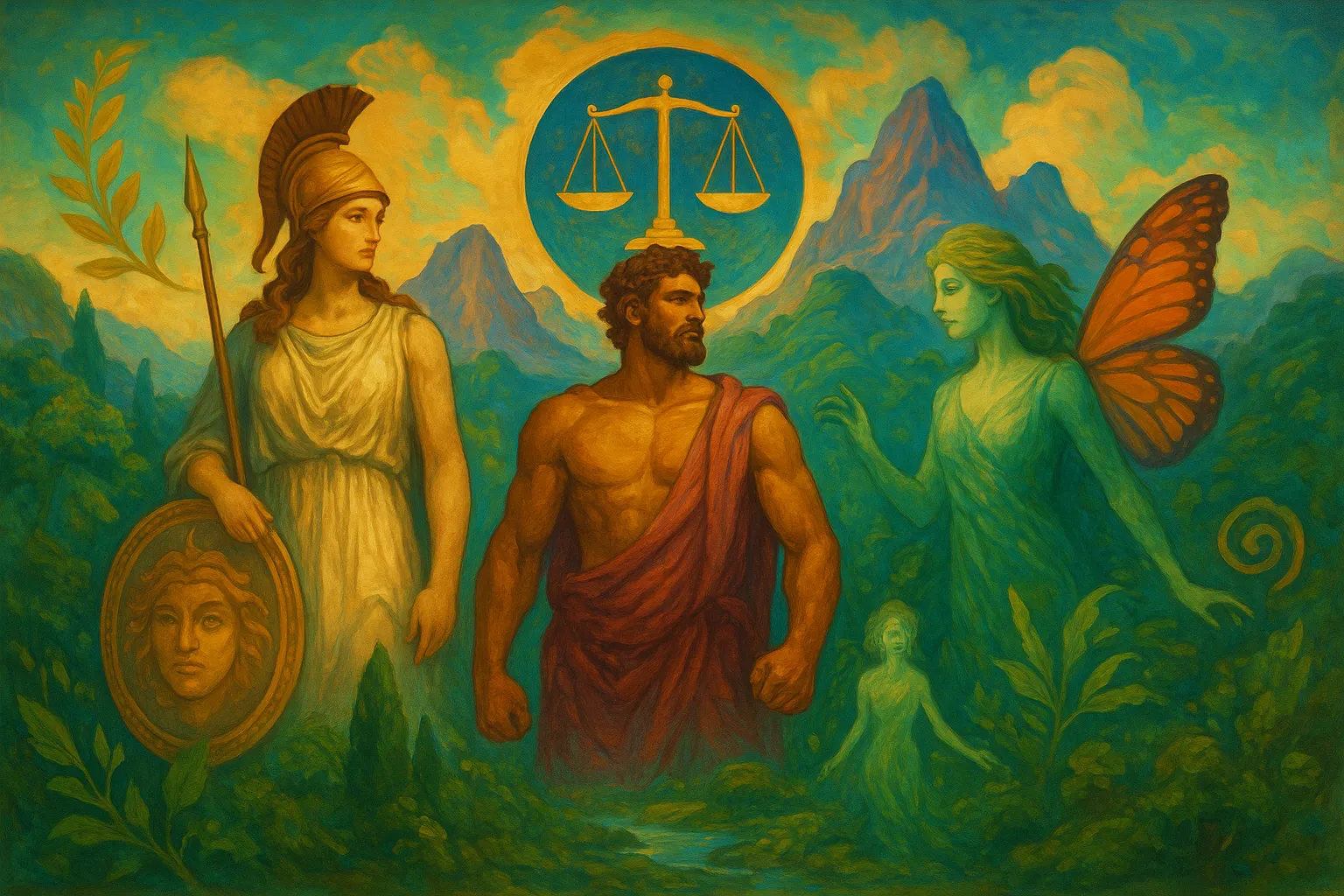
Greek mythology, an intricate web of stories and characters, has been captivating minds for centuries. But did you know that its influence permeates our daily lives more than you might think? From language and literature to psychology and even popular culture, these ancient tales continue to resonate in profound ways. Let’s dive into the fascinating world of Greek mythology and discover its enduring legacy.
The Timeless Tales of Gods and Mortals
At the heart of Greek mythology are the gods, with figures like Zeus, Athena, and Apollo standing as powerful symbols of human traits and experiences. These stories not only entertained ancient Greeks but were also employed to explain natural phenomena and human behavior. For instance, thunder and lightning were attributed to Zeus's wrath, while the changing seasons were explained through the myth of Demeter and her daughter Persephone.
This personification of nature is an essential aspect of mythology—a way for societies to make sense of their world. Today, when we say someone has "Achilles' heel," we acknowledge a vulnerability reminiscent of the famed warrior's fate. Such expressions showcase how deeply woven these ancient narratives are into the fabric of our language.
Lessons in Morality and Human Experience
Myths were also valuable teaching tools, often exploring themes of hubris, fate, and the human condition. Take the story of Icarus, who flew too close to the sun, or that of Pandora, whose curiosity unleashed chaos upon the world. These tales serve as cautionary lessons that remain relevant. In our modern lives, we often find ourselves grappling with similar dilemmas—balancing ambition with humility or curiosity with caution.
Moreover, Greek mythology presents a diverse cast of characters, not limited to heroes and gods. Figures like Medusa and Prometheus challenge traditional definitions of heroism and morality, reminding us that the line between good and evil isn't always clear-cut. This nuanced portrayal of humanity helps to foster empathy, encouraging us to understand varying perspectives.
The Continuing Influence on Arts and Culture
From Hollywood blockbusters to bestselling novels, the influence of Greek mythology is apparent in the arts. Movies like "Troy" and "Clash of the Titans" are rooted in these ancient stories, bringing them to life for new generations. Additionally, contemporary authors like Rick Riordan have made significant contributions, reimagining these tales for young audiences while keeping their themes alive.
The artistic reinterpretation of these myths has also sparked debates regarding their relevance in today’s society. How do these stories shape our understanding of identity, gender, and society? By critically engaging with these myths, we can challenge outdated narratives and promote discussions about their meanings in contemporary contexts.
Conclusion: Embracing the Legacy of Mythology
Greek mythology is not merely a collection of ancient tales; it is a living legacy that continues to influence our lives, language, and culture. As we navigate the complexities of our modern world, revisiting these timeless stories may provide insights and inspire us to confront our challenges with courage and wisdom. So, the next time you encounter a phrase or a story rooted in Greek mythology, take a moment to reflect on its meaning and significance—it might just reveal a deeper truth about our shared human experience.




