
Unlocking the Mysteries of Epigenetics: How Our Environment Writes Our Genetic Story
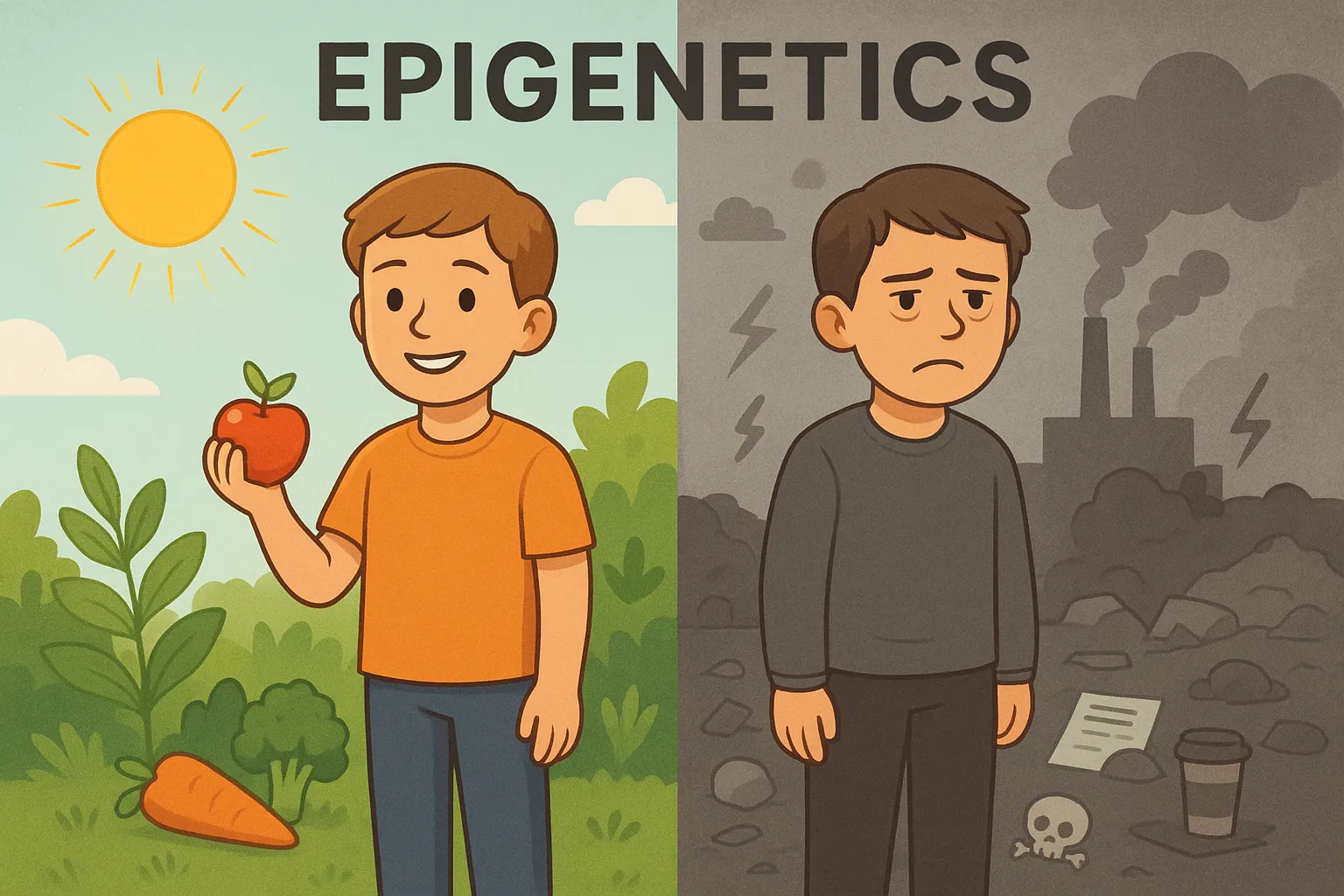
Have you ever wondered how two identical twins can lead such vastly different lives? Surprisingly, the answer lies in the field of epigenetics, a buzzing area of research that's transforming our understanding of genetics and inheritance. It turns out, it’s not just the genes you're born with that matter—but also how your environment and lifestyle can influence those genes throughout your life.
What is Epigenetics?
Epigenetics is the study of changes in organisms caused by modification of gene expression rather than alteration of the genetic code itself. In simpler terms, your genes are like a set of instructions, and epigenetics explains how those instructions can be turned on or off based on various factors like diet, stress, pollution, and even social interactions. Think of it as a dimmer switch for your genes—sometimes they are fully lit, sometimes dimmed, and sometimes switched off altogether.
The Power of Environment
Our environment plays a crucial role in ensuring that our genes express themselves in beneficial or harmful ways. For example, studies have shown that prolonged exposure to stress can lead to epigenetic changes linked to a higher risk of health issues like depression and anxiety. On the flip side, a balanced diet rich in antioxidants may help enhance positive gene expression related to wellness and longevity. This means that the choices we make daily can literally alter the way our DNA operates.
Real-World Implications
The implications of epigenetics extend deeply into fields like medicine, psychology, and even education. For example, personalized medicine is becoming a reality as doctors can analyze a patient’s epigenetic markers to determine the best treatment plan tailored to their specific genetic expression. Moreover, understanding that our behaviors can affect our genetic expressions can empower individuals to make lifestyle choices that may prevent various diseases.
Fascinating Findings
One of the most startling findings in epigenetics is the concept of transgenerational epigenetic inheritance. This suggests that epigenetic changes can be passed down from one generation to the next, affecting not just individuals but entire family lineages. For instance, grandparents who experienced famine may pass on epigenetic markers to their grandchildren, potentially influencing their health and metabolism.
Your Genes Are Not Your Destiny
The most encouraging takeaway from epigenetics is that our genes are not fixed; they are adaptable. By understanding the power of our environment and lifestyle, we can take actionable steps to promote a healthier expression of our genes. Whether it’s improving our nutrition, managing stress, or fostering healthy relationships, we hold the keys to unlocking our genetic potential.
Conclusion
Epigenetics may still be an emerging field, but its potential is vast and its implications profound. As research continues to unveil the depths of gene-environment interactions, we may discover that we hold more power over our health and well-being than we ever imagined. So, if you've ever felt like your genetic code destined you for a particular fate, think again! The future of health might just be in our hands—quite literally.


