
Unlocking the Gamer's Mind: How Psychology Shapes Our Online Experiences
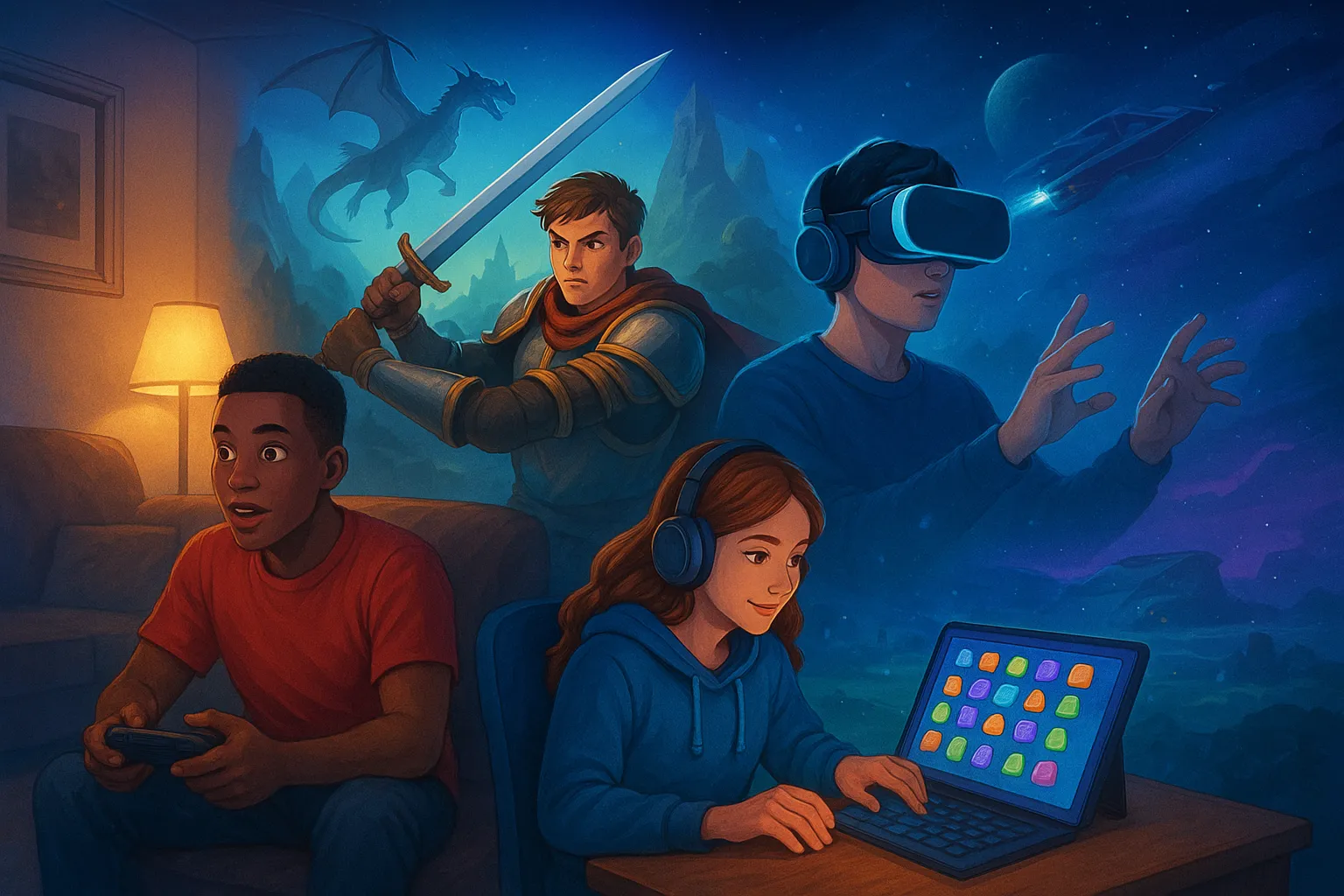
In the age of digital entertainment, gaming has transcended its traditional boundaries to become a cultural phenomenon. From casual mobile games to immersive virtual realities, the allure of gaming owes much to psychological principles. Understanding gaming psychology not only unravels why millions are drawn to this digital playground, but it also provides insight into how developers craft compelling experiences. Let's explore the fascinating interplay between psychology and gaming that keeps players returning for more.
The Allure of Escapism
One of the primary reasons why people engage in gaming is the desire to escape reality. Whether it's stepping into a fantastical world or embodying a powerful character, games offer an avenue to break free from the stresses of daily life. According to a survey, over 60% of gamers noted that they play to experience new adventures and seek emotional relief. This escapism can be beneficial, providing a respite from anxiety and pressures.
Mechanisms of Motivation
Understanding what motivates players is essential for developers. The psychological theories of intrinsic and extrinsic motivation explain why gamers dive into their favorite titles. Intrinsic motivation refers to doing something for its own sake, like the enjoyment found in solving complex puzzles. Extrinsic motivation involves external rewards, such as achievements or earning points. Game designers cleverly mix these elements, using reward systems to keep players engaged and incentivized to progress.
The Psychology of Competition
Many games incorporate elements of competition, fueling the drive to win among players. This competitive nature often taps into the psychological concept of social comparison, where individuals measure their abilities against others. Rankings, leaderboards, and cooperative challenges amplify this mentality, enhancing the thrill and urgency of gameplay. A Harvard study found that competition can significantly boost performance, showcasing why multiplayer games have soared in popularity.
Social Connectivity and Community
Contrary to the stereotype of the isolated gamer, many individuals turn to gaming as a means to connect with others. Online platforms foster a sense of community, bridging geographical gaps and enabling friendships amongst players. The psychology of belonging plays a pivotal role here; humans have an inherent desire to connect and form bonds. This community aspect not only enhances the gaming experience but also offers players emotional support, making it a valuable social outlet.
The Impact of Rewards and Feedback Loops
Games are intricately designed with reward systems that exploit psychological principles, creating what are known as feedback loops. For instance, completing tasks can yield rewards, encouraging continued play and investment in the game. The use of sound effects, visual cues, and narrative reinforcements amplifies the dopamine release in the brain, which is fundamentally tied to pleasure and motivation. This connection between gaming mechanics and psychology is what can turn a simple game into an addictive experience.
Conclusion: The Psychology Behind Play
As the lines between entertainment and technology continue to blur, understanding the psychology behind gaming becomes ever more crucial. The intricate relationship between motivation, competition, community, and reward-driven design shapes not just our gaming experiences but also reflects broader societal trends. By delving into gaming psychology, we can not only appreciate the art and science behind our favorite games but also harness these insights to improve mental wellness and social interactions.




