Unlocking the Brain's Mysteries: The Fascinating World of Neuroscience and What It Means for You
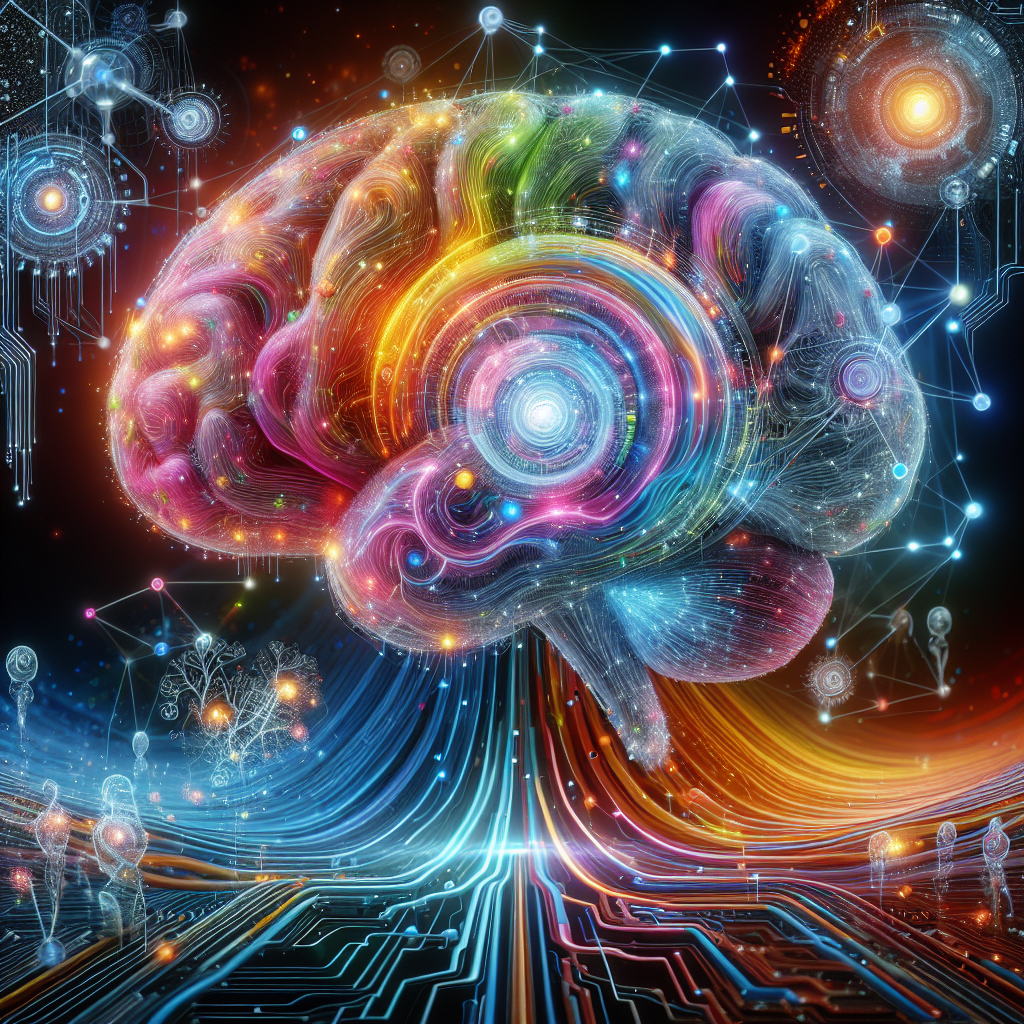
Have you ever wondered how your brain processes information, feels emotions, or navigates memories? Neuroscience, the intricate study of the nervous system, has brought us closer to understanding the human brain than ever before. From unraveling the enigma of depression to discovering how memories are formed, the advancements in neuroscience are not just for scientists—the insights gleaned hold profound implications for our everyday lives.
What is Neuroscience?
At its core, neuroscience is the scientific study of the brain and the nervous system. This field encompasses various disciplines, including biology, psychology, and physiology, intertwining them to explore the mechanisms that underlie thoughts, feelings, and behaviors. To put it simply, neuroscience aims to decode the biological processes that shape our daily experiences and interactions.
The Brain: More Than Just a Thought Factory
The human brain is often referred to as the most complex object in the universe. With approximately 86 billion neurons making trillions of connections, it can process vast amounts of information rapidly. Neuroscientists estimate that our brains can hold around 2.5 petabytes of data—equivalent to about three million hours of television shows! This capacity underscores why understanding how our brain functions is pivotal for improving mental health, educational methods, and even technology.
Surprising Discoveries in Neuroscience
Recent research has revealed some astonishing facts about our brains. For example, did you know that our brains can actually change their structure and function throughout our lives? This phenomenon, known as neuroplasticity, indicates that learning and experiences can physically alter the brain, enabling recovery from injuries or enhance skills. Such findings inspire new approaches in various fields, from rehabilitation programs to education, emphasizing the importance of continual learning and adaptation.
Implications for Mental Health
One of the most critical areas of neuroscience research focuses on mental health disorders. Understanding the biological underpinnings of conditions like anxiety, depression, and schizophrenia has led to innovative treatments that go beyond traditional therapies. For instance, advancements in neuroimaging allow scientists to visualize brain activity, providing insights into how different therapies can alter neural pathways. This progress offers hope for personalized medicine, where treatments can be tailored to an individual’s unique brain structure and function.
Everyday Applications: What Neuroscience Means for You
The true value of neuroscience lies in its applications in our daily lives. From enhancing productivity in workplaces through understanding motivation and attention, to shaping healthier lifestyle choices via insights into habit formation, the findings from neuroscience research are vital. Techniques derived from this field, such as mindfulness practices and cognitive behavioral strategies, can help individuals manage stress and improve overall well-being.
Looking Ahead: The Future of Neuroscience
As we venture further into the 21st century, the potential of neuroscience continues to expand. Emerging technologies like brain-computer interfaces offer thrilling possibilities, allowing direct communication between our brains and external devices, potentially redefining how we interact with technology. The dream of merging human cognition with artificial intelligence, once confined to science fiction, is inching closer to reality, beckoning us to consider the ethical implications and responsibilities that come with such advancements.
In conclusion, neuroscience is not just an academic pursuit reserved for labs and research institutions; it’s an evolving field with significant implications for our everyday lives. By continuing to explore the brain's mysteries, we unlock new paths toward understanding ourselves and enhancing our well-being in this increasingly complex world.

