
Unlock the Hidden Language: How Non-Verbal Communication Can Transform Your Interactions!
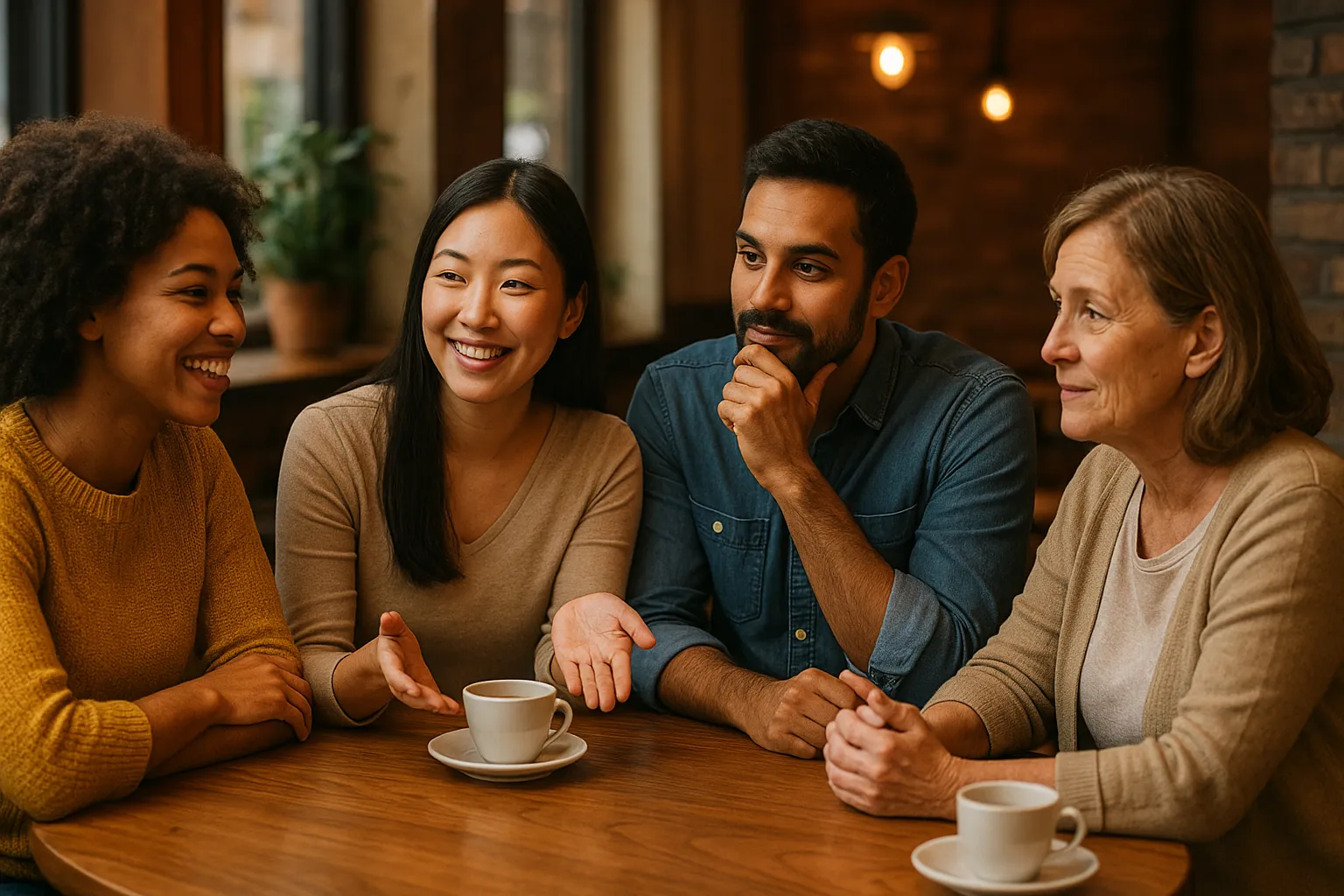
Have you ever noticed how someone’s silence can speak volumes? Non-verbal communication is the unsung hero of human interaction, often conveying deeper meanings and emotions than words alone. In a world where text messages and emails dominate, understanding body language, facial expressions, and gestures becomes crucial for effective communication.
The Power of Body Language
Did you know that up to 93% of communication is non-verbal? This astounding statistic includes facial expressions, tone of voice, and body movements. When we engage with others, we're not just sharing words; we're sending cues that can build trust or create barriers. For instance, folded arms may signal defensiveness, while open posture suggests receptivity. By learning to read these signals, we can enhance our interpersonal skills tremendously.
Facial Expressions: The Universal Language
Facial expressions are a natural form of communication that transcends culture. Happiness, sadness, anger, and surprise are universally understood feelings. Consider this: A genuine smile can not only brighten a person's day but also enhance your own mood. On the flip side, a furrowed brow can indicate confusion or disapproval without a single word being spoken. By attuning ourselves to the emotional signals conveyed through facial expressions, we can foster more empathetic interactions.
The Unspoken Context: Environment and Proxemics
Non-verbal cues extend beyond individual actions; the context in which communication occurs matters significantly. Proxemics, or the use of personal space, can differ widely between cultures. In some countries, standing too close may convey intimacy, while in others, it could feel intrusive. Understanding these nuances is essential when engaging with individuals from diverse backgrounds, as it helps to create an atmosphere of respect and understanding.
Enhancing Your Non-Verbal Abilities
Improving your non-verbal communication skills doesn’t require a degree in psychology. Here are a few simple tips:
- Be aware of your own body language: Practice maintaining an open posture and making eye contact to convey confidence and warmth.
- Observe others: Take note of how people react to different gestures and expressions and adapt accordingly.
- Practice active listening: Show engagement by nodding and using facial expressions that reflect empathy and interest.
By being mindful of these elements, you can create meaningful connections that go beyond words.
Conclusion
In a time when face-to-face conversations are becoming less common, mastering the art of non-verbal communication can be your secret weapon. Whether you're in a business meeting, social gathering, or intimate conversation, understanding and utilizing body language can foster deeper connections and enrich your relationships. So next time you're about to speak, remember: sometimes, what you don’t say is just as important as your words!




