
Unearthing the Timeless Wonders of Ancient Egypt: What Secrets Lie Beneath the Sands?
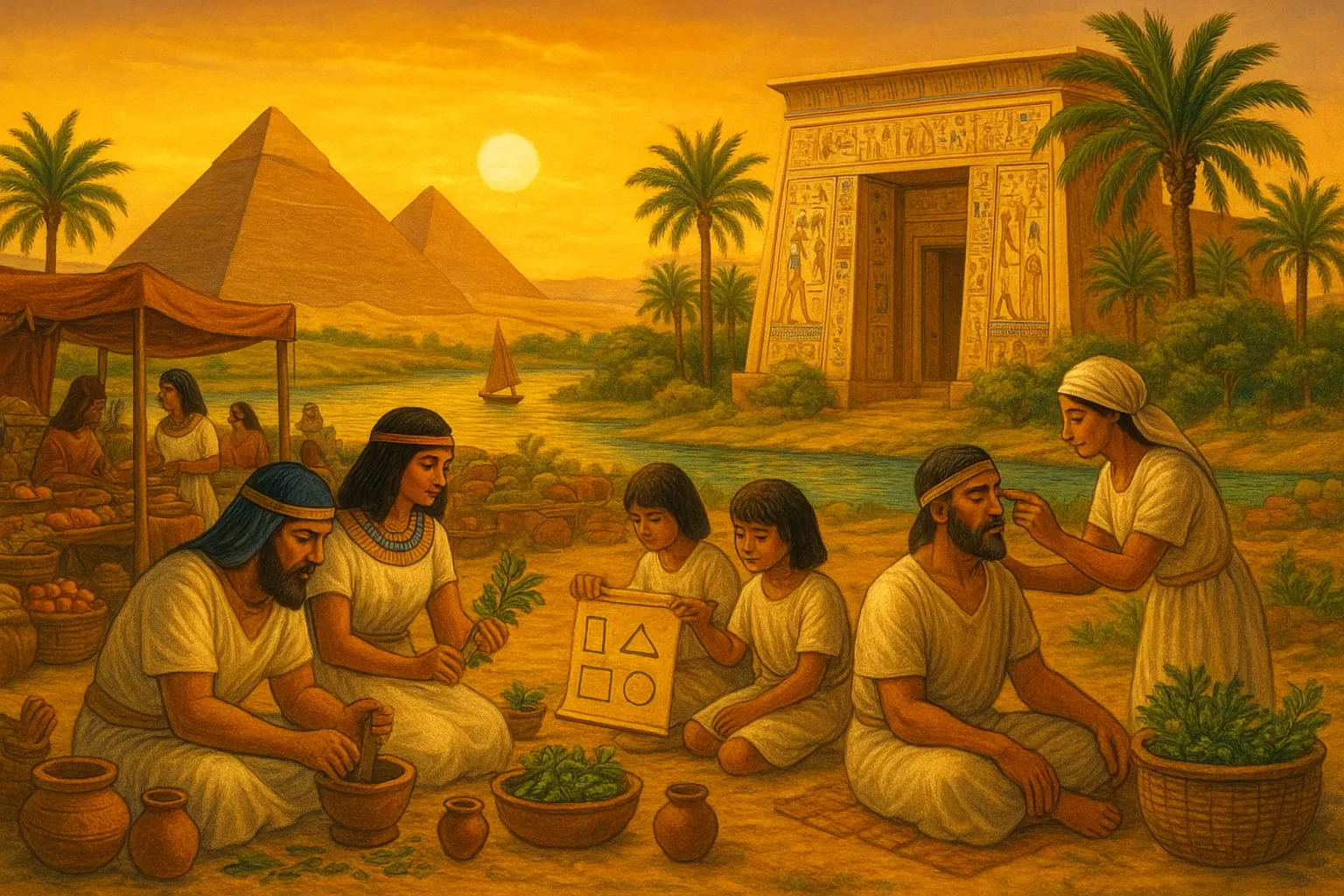
When you think of Ancient Egypt, images of towering pyramids, enigmatic hieroglyphs, and vast desert landscapes come to mind. But beyond the surface lies a rich tapestry of history filled with innovation, culture, and intrigue that continues to fascinate the world today. In this exploration, we will embark on a journey through time, uncovering the remarkable elements that shaped a civilization renowned for its influence on arts, science, and governance.
The Rise of a Civilization
Ancient Egypt emerged around 3100 BCE, as two kingdoms unified under the rule of the first Pharaoh, Narmer. This marked the beginning of a powerful civilization that would last for over three thousand years. The Egyptians succeeded in harnessing the fertile land along the Nile River, which became the lifeblood of their society. Agricultural innovations allowed for surplus food production, which in turn supported a growing population and the development of cities.
Pharaohs: Leaders, Gods, and Symbols of Power
At the heart of Egyptian society were the Pharaohs, considered both divine leaders and mortal rulers. The Pharaoh's role was not merely political; they were seen as intermediaries between the gods and the people. This divine status justified the monumental constructions of pyramids and temples, built as tributes to their gods and as tombs for the Pharaohs themselves. The Great Pyramid of Giza, for instance, stands as a testament to the architectural prowess of the time and continues to draw awe from millions around the globe.
Incredible Innovations: From Medicine to Mathematics
Beyond their grand monuments, ancient Egyptians were pioneers in many fields, particularly medicine and mathematics. They are known to have practiced advanced medical techniques, including surgery and herbal remedies, long before many other cultures. The use of a decimal system and their understanding of geometry significantly impacted the construction of their architectural marvels. Remarkably, they even documented their medical practices on papyrus scrolls, some of which have survived to this day.
The Enigmatic Religion and Its Impact
Religion played a crucial role in every aspect of Egyptian life. The pantheon of gods encompassed various aspects of nature and society, from Ra, the sun god, to Osiris, the god of the afterlife. The Egyptians believed in an afterlife where one’s heart would be weighed against the feather of Ma'at, representing truth and justice. This belief impacted their burial practices and led to the creation of elaborate tombs filled with goods and treasures for the afterlife — an enduring testament to their deep spirituality and connection to the divine.
The Lasting Legacy of Ancient Egypt
Though Ancient Egypt fell into decline after thousands of years, its legacy continues to echo through time. The fascination with Egyptian artifacts in modern culture, including films, literature, and art, demonstrates the enduring impact of this civilization. Their contributions to architecture, mathematics, medicine, and art have left an indelible mark on subsequent cultures and civilizations.
As we uncover the secrets hidden beneath the sands of time, we realize that Ancient Egypt is more than just stories of rulers and gods; it is a profound testament to human ingenuity, a civilization that shaped the world in ways we are still discovering today. The wings of history may spread wide, but Egypt’s story will always fly high above the sands of time.




