
Thinking Twice: How Behavioral Economics Can Transform Your Decision-Making
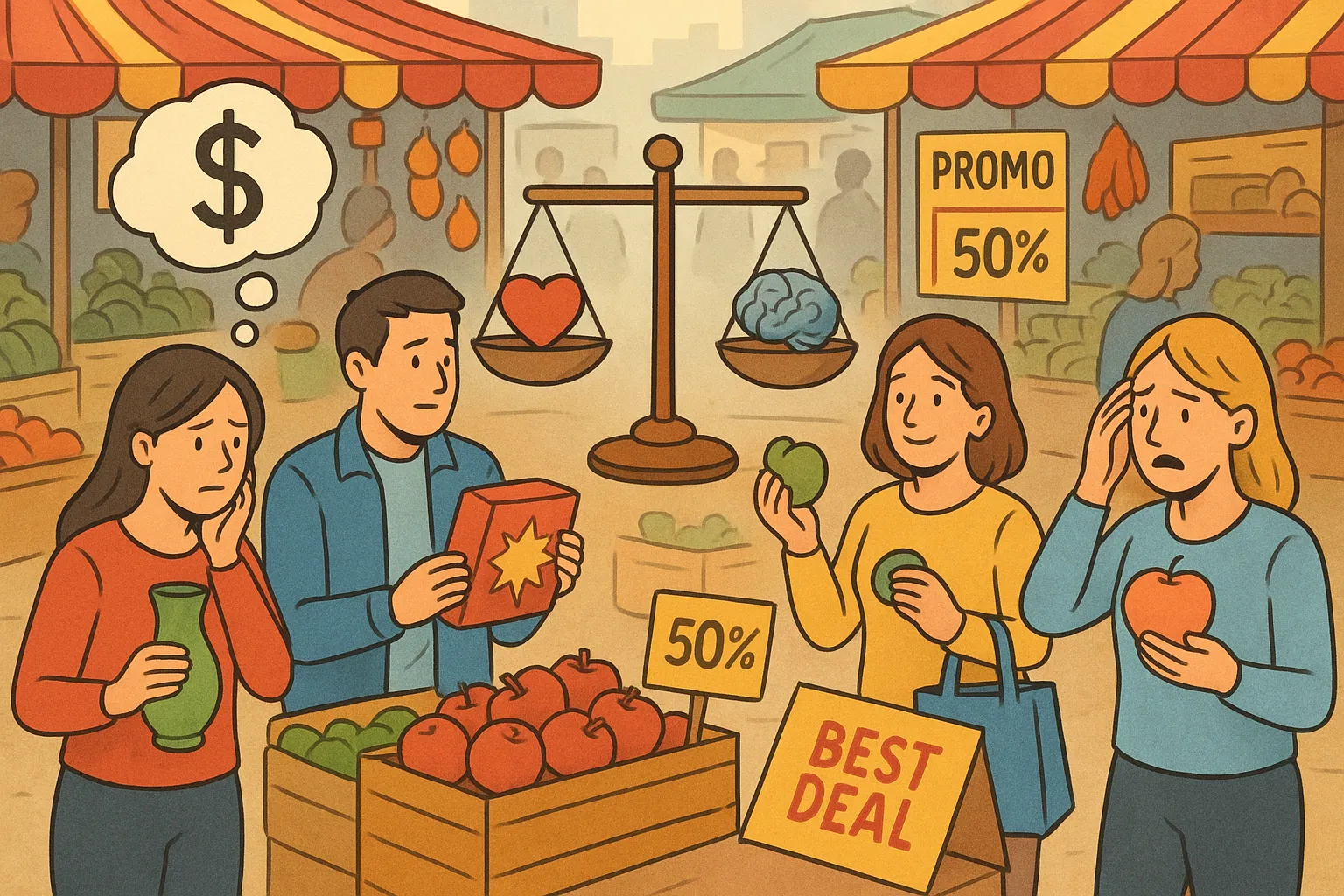
Have you ever made a spur-of-the-moment purchase that you later regretted? You're not alone. Behavioral economics sheds light on why we make these seemingly irrational choices and how understanding these tendencies can lead to better decision-making. Striking a balance between emotion and logic isn’t just a personal endeavor; it's critical for businesses and policymakers alike. Let's dive into the fascinating world of behavioral economics and explore how it influences our daily lives.
The Basics of Behavioral Economics
Behavioral economics combines insights from psychology and traditional economic theory to explain why people often act against their own best interests. Unlike classical economics, which assumes humans are rational agents always making optimal decisions, behavioral economics acknowledges that our choices are heavily influenced by cognitive biases and emotional factors. This intersection helps us understand that we are not always the logical decision-makers we believe ourselves to be.
Common Cognitive Biases That Influence Us
Several cognitive biases can cloud our judgment and lead to poor decisions. For example, the "anchoring effect" occurs when we rely too heavily on the first piece of information we receive when making a decision, which can skew our perspective. Another common bias is the "loss aversion" principle, where the pain of losing feels more intense than the pleasure of gaining something of equal value. Recognizing these biases can empower us to make more informed choices, whether we're shopping for groceries or investing in stocks.
Real-World Applications
Understanding behavioral economics can have profound implications in various fields. For businesses, optimizing pricing strategies and marketing efforts by leveraging psychological triggers can significantly enhance consumer engagement. Governments, on the other hand, can design more effective public policies by applying these concepts—like nudging citizens towards healthier choices or eco-friendly behaviors. One notable example is the success of automatically enrolling employees into retirement savings plans, leading to increased participation rates simply because the default option takes advantage of our tendency to stick with the status quo.
Tools for Better Decision-Making
So how can we apply the principles of behavioral economics to improve our decision-making? Here are a few practical strategies:
- Awareness: Recognize your own cognitive biases. Just being aware of them can help mitigate their effects.
- Set Clear Goals: Define what matters most to you to guide your choices, eliminating confusion and emotional decision-making.
- Use Default Settings: When planning for the future, arrange systems that automatically help you achieve your goals, like setting savings on autopilot.
The Bottom Line
Behavioral economics offers invaluable insights into the human experience, showcasing the complexities of our decision-making processes. By understanding and applying its principles, we can navigate life's choices more effectively. Whether you're trying to curb impulse buying or make strategic business decisions, the tools from behavioral economics can serve as a powerful ally. So the next time you face a decision, take a moment to reflect—your best choice might just be one thought away.




