The Untapped Power of Sports Psychology: Transforming Athletes Into Champions
In an era where physical prowess and talent dominate the sporting landscape, a silent yet powerful force often goes unnoticed: sports psychology. Understanding the mental aspect of performance is not just a game-changer; it could be the decisive factor between victory and defeat. But what is sports psychology, and how can it transform not only athletes but also enthusiasts and aspiring players?
What is Sports Psychology?
At its core, sports psychology is the study of how mental factors influence an athlete's performance and how participation in sports affects psychological well-being. It combines principles from psychology and sports science to help athletes enhance performance, manage stress, and achieve their goals. But you don’t have to be an Olympic athlete to benefit from these techniques; anyone with a personal or professional interest in sports can find value.
The Mind-Body Connection
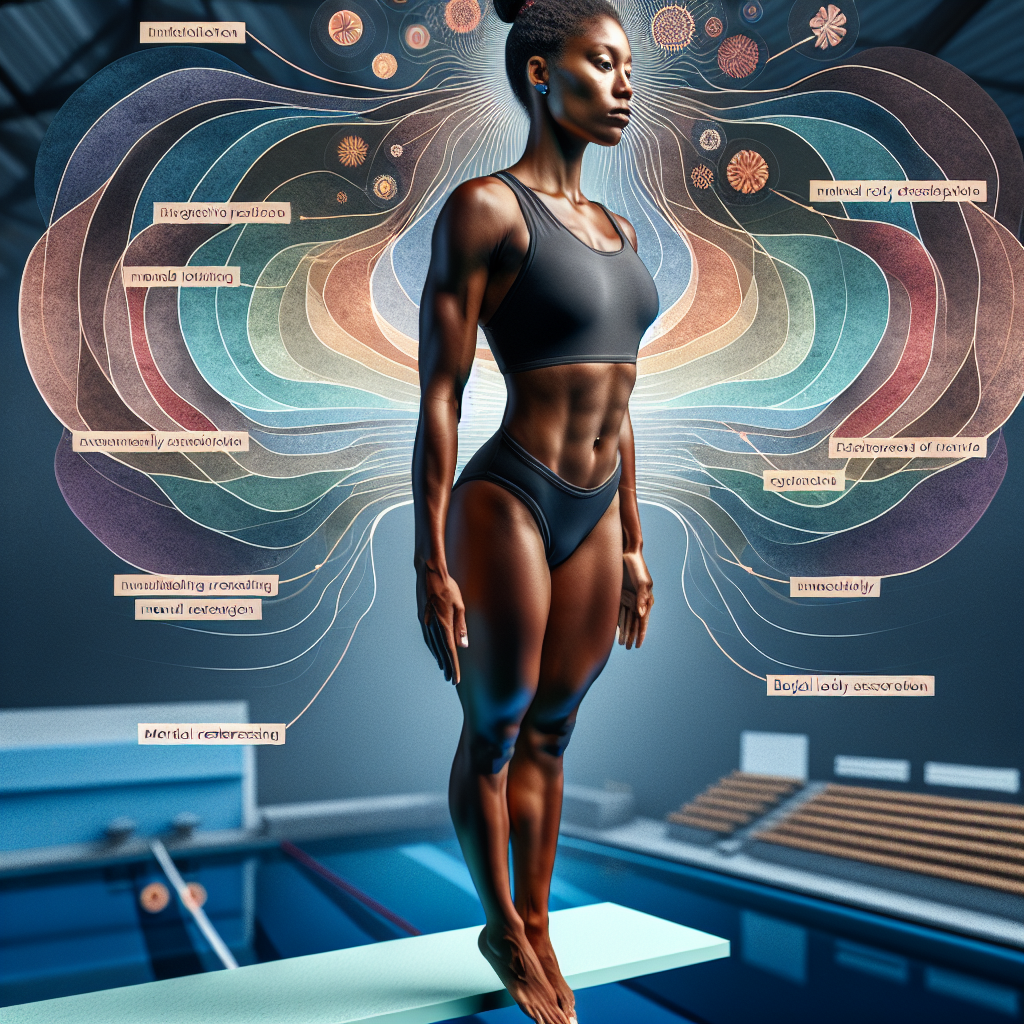
Research shows that around 50% of athletic performance is attributed to mental factors. This is where the concept of the mind-body connection comes into play. Imagine an athlete standing on the edge of a high dive. The physical training is meticulous, but if their mind is cluttered with anxiety or self-doubt, they might find it challenging to execute their dive successfully. Techniques like visualization, mindfulness, and cognitive restructuring can help athletes train their minds just as rigorously as their bodies.
Techniques That Change the Game
There are several practical techniques that sports psychologists employ to enhance performance. One popular method is visualization, where athletes mentally rehearse their performance. This powerful tool can help build confidence and prepare the mind for actual competition scenarios. Another method is mindfulness training, which aids athletes in staying present and reducing anxiety during high-pressure situations.
Moreover, goal setting is essential. Athletes who set specific, measurable, achievable, relevant, and time-bound (SMART) goals are more likely to enhance their focus and motivation, making them more prepared to face challenges head-on. These techniques are not only useful in sports but can also be applied to several areas of life, from work performance to personal growth.
Your Athletic Journey: Everyone Can Benefit
You don’t have to be a professional athlete to take advantage of sports psychology. Whether you’re a weekend warrior, a casual jogger, or someone looking to improve your performance in a team environment, understanding and applying these psychological principles can elevate your game. The next time you find yourself facing a mental block, remember that the first step toward overcoming it might be as simple as changing your mindset.
The Road Ahead
The growing recognition of sports psychology is paving the way for a future where mental fitness is prioritized alongside physical conditioning. As more coaches, trainers, and athletes turn to these invaluable resources, we can anticipate a new era of athlete development—one that embraces the holistic nature of performance. So, whether you’re pushing your limits on a track or preparing for a crucial business presentation, remember: every champion knows that peak performance starts in the mind.

