
The Unfolding Saga of Human Rights: From Shadows to Sovereignty
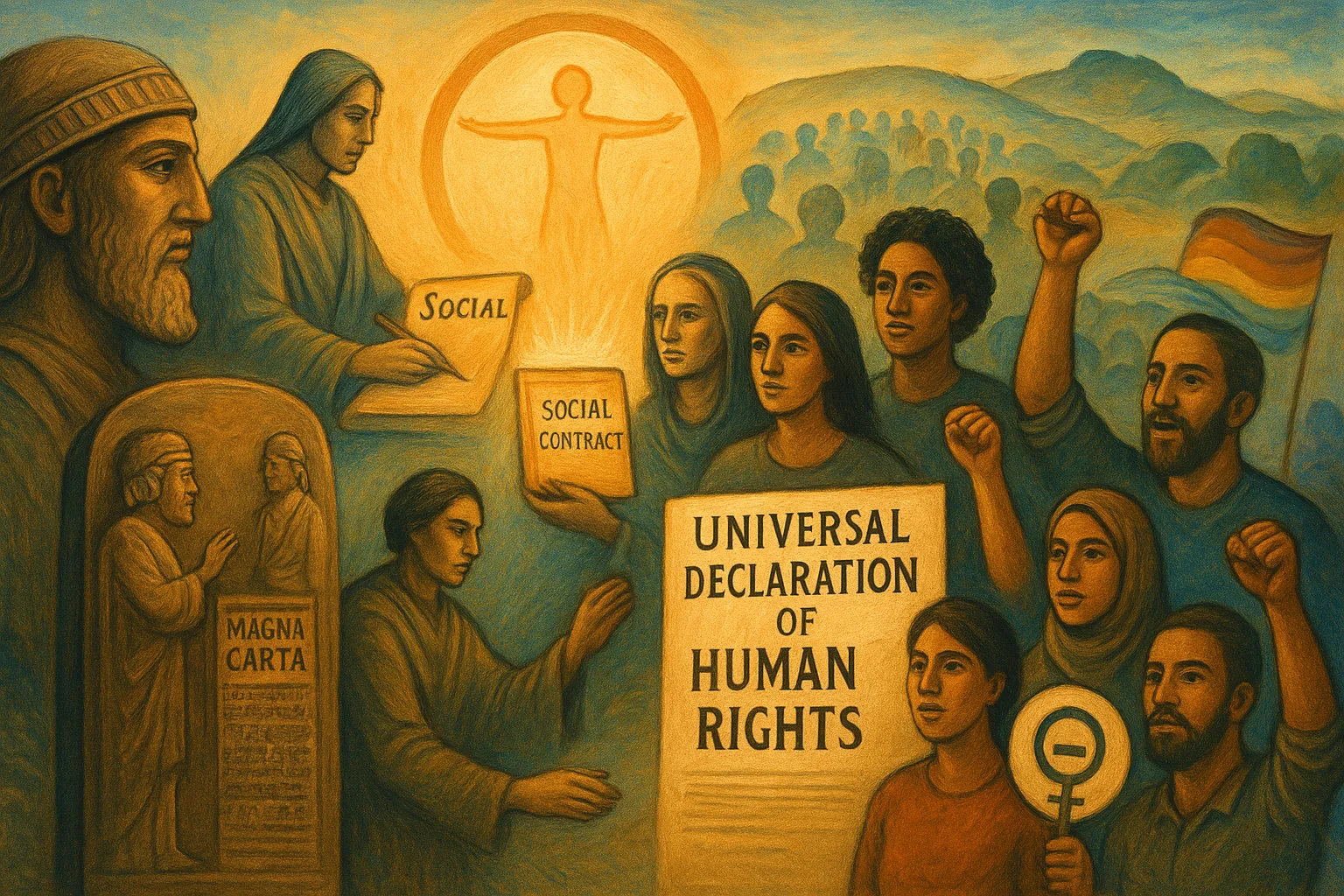
Human rights are often seen as a modern construct, yet their roots dig deep into the annals of history. The story of human rights is one of struggle, triumph, and an unyielding quest for dignity. It is a narrative that speaks to the very essence of humanity: the need for liberty, equality, and justice. As we navigate through this historical landscape, we will uncover the pivotal moments that have shaped our understanding of human rights today.
Ancient Foundations: The Birth of Rights
Long before the term "human rights" entered our lexicon, ancient civilizations set the groundwork for what would become a universal recognition of individual dignity. In ancient Mesopotamia, the Code of Hammurabi (around 1754 BCE) established a set of laws aimed at protecting the weak from the powerful. Similarly, documents like the Magna Carta (1215) in England began to echo the collective demand for certain inalienable rights, even if its reach was originally limited to the noble class.
The Enlightenment: Birth of Modern Philosophy
The Enlightenment period of the 17th and 18th centuries was pivotal in human rights history. Thinkers like John Locke and Jean-Jacques Rousseau championed the ideas of the social contract and natural rights. Locke's assertion that everyone is entitled to "life, liberty, and property" laid the foundation for later human rights discourse. This period ignited not just intellectual debates but also revolutions—most notably the American Revolution (1776) and the French Revolution (1789)—each demanding rights that transcended social hierarchies.
The Aftermath of War: A Universal Approach
The devastation of World War II galvanized the international community to reexamine human rights on a grand scale. In 1948, the United Nations adopted the Universal Declaration of Human Rights (UDHR), a groundbreaking document that articulated fundamental rights that every person is entitled to, regardless of nationality, sex, ethnicity, or religion. This was a watershed moment, establishing a normative framework that continues to influence human rights legislation worldwide.
The Ongoing Battle: Human Rights Today
Despite significant advancements, the struggle for human rights remains precarious. From racial injustice to gender inequality, the fight continues in various forms across the globe. The rise of social media has empowered activists, allowing them to mobilize against injustices quickly and effectively. However, authoritarian regimes still threaten these rights, reminding us that vigilance and advocacy are as essential now as they have ever been.
Conclusion: A Collective Journey Forward
The history of human rights is not just about milestones; it is about the collective journey of humanity towards recognizing and protecting the dignity of all individuals. As we reflect on our past, it is crucial to acknowledge the work still to be done. Understanding where we came from will illuminate the path forward. Our continued advocacy for rights—be it for marginalized communities, racial justice, or LGBTQ+ rights—reinforces the belief that every voice matters in the ongoing saga of human rights.


