
The Silent Revolution: How Natural Language Processing is Changing Our Everyday Lives
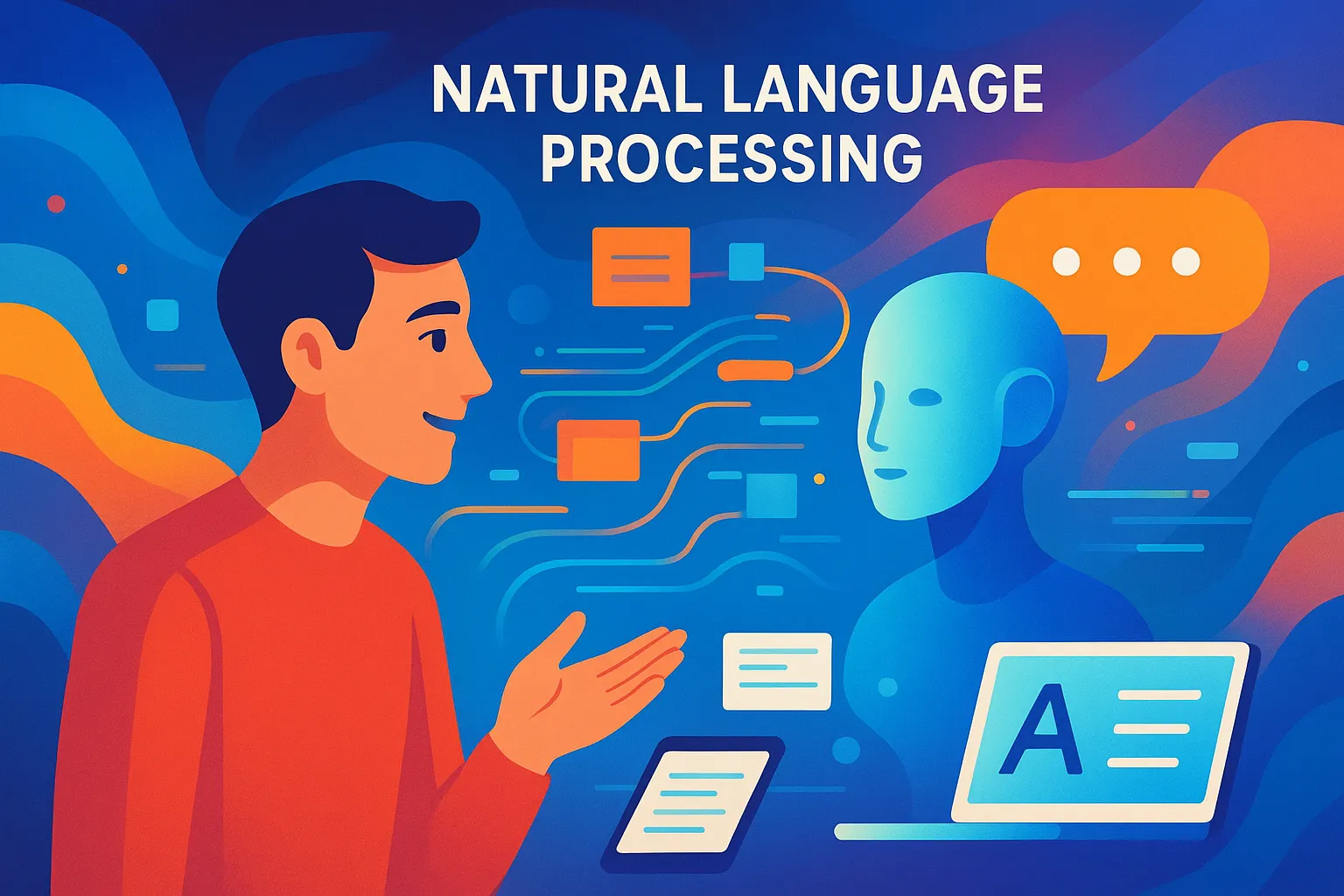
In an era where technology is woven into the very fabric of our daily routines, the power of words is experiencing a profound transformation. Natural Language Processing (NLP) has emerged as a pivotal force, reshaping how machines understand and interact with human language. But what does this mean for you, the everyday user? Let’s dive into the silent revolution that’s making communication with our devices feel almost human.
What is NLP and Why Should You Care?
At its core, Natural Language Processing is a branch of artificial intelligence that focuses on the interaction between computers and humans through natural language. Essentially, it allows machines to read, understand, and even generate human language. You may already be familiar with NLP if you've ever used a virtual assistant like Siri or Alexa, or found yourself chatting with a customer service bot. These smart technologies rely on NLP to comprehend your requests and provide relevant responses.
The Everyday Applications of Natural Language Processing
NLP’s applications are not just limited to smart assistants. From the way we communicate via social media to how search engines provide us with information, NLP is the invisible thread guiding our interactions. Here are a few everyday scenarios where NLP is making a significant impact:
- Smart Messaging: Ever noticed how your text suggestions feel more intuitive? That’s NLP analyzing your writing style and predicting your next words with uncanny accuracy.
- Translation Made Easy: Language barriers are gradually falling, thanks to instant translation apps powered by NLP. You can converse in real time with someone who speaks an entirely different language using just your smartphone.
- Content Creation: Tools like Grammarly and even some automated blogging services use NLP to enhance writing quality, ensuring clarity and correctness in our virtual communications.
The Unsung Hero of Business Intelligence
In the corporate world, the influence of NLP is profound. Companies are leveraging this technology to analyze customer feedback collected from social media, emails, and surveys over big data. By processing this information, businesses can gain insights into customer preferences and sentiments. This data-driven approach helps refine products and services, ultimately leading to better customer satisfaction.
Concerns and the Future of NLP
Despite its impressive capabilities, NLP is not without its challenges. Misinterpretations can lead to significant misunderstandings, especially in sensitive contexts. Furthermore, there are concerns about privacy and how companies use language data. As developers strive to improve NLP systems, it’s crucial for users to remain informed and vigilant about how their personal information is managed.
Looking ahead, the future of NLP is bright yet holds enormous responsibility. With continuous advancements, we may soon see more sophisticated systems that can replicate not just human understanding but also the nuances of emotion and intent in language—creeping closer to understanding the art of human communication.
Conclusion: Embracing the Shift
NLP is more than just a technological advancement; it represents a significant shift in how we interact with the world around us. As this remarkable technology continues to evolve, it brings with it both incredible opportunities and crucial responsibilities. By choosing to engage with it wisely, we have the chance to elevate our daily communication to unprecedented levels, bridging gaps, enhancing understanding, and ushering in a new era of human-machine interaction.




