
The Hidden Power of Game Theory: Choosing Wisely in Everyday Life
Have you ever wondered why some people always seem to make the right choices while others struggle with even the simplest decisions? While it may appear to be luck or gut feeling, many decisions can be explained through a fascinating field known as game theory. This complex concept provides a way to analyze strategic interactions, and it’s not just for economists or mathematicians—it's relevant to all of us in our day-to-day lives.
What is Game Theory?
At its core, game theory is the study of mathematical models that analyze strategic behavior among rational decision-makers. It explores how individuals make decisions when the outcomes depend not just on their own actions but also on the choices of others. While that may sound complicated, the essence boils down to a basic principle: your best choice is often influenced by the choices of those around you.
Real-Life Applications
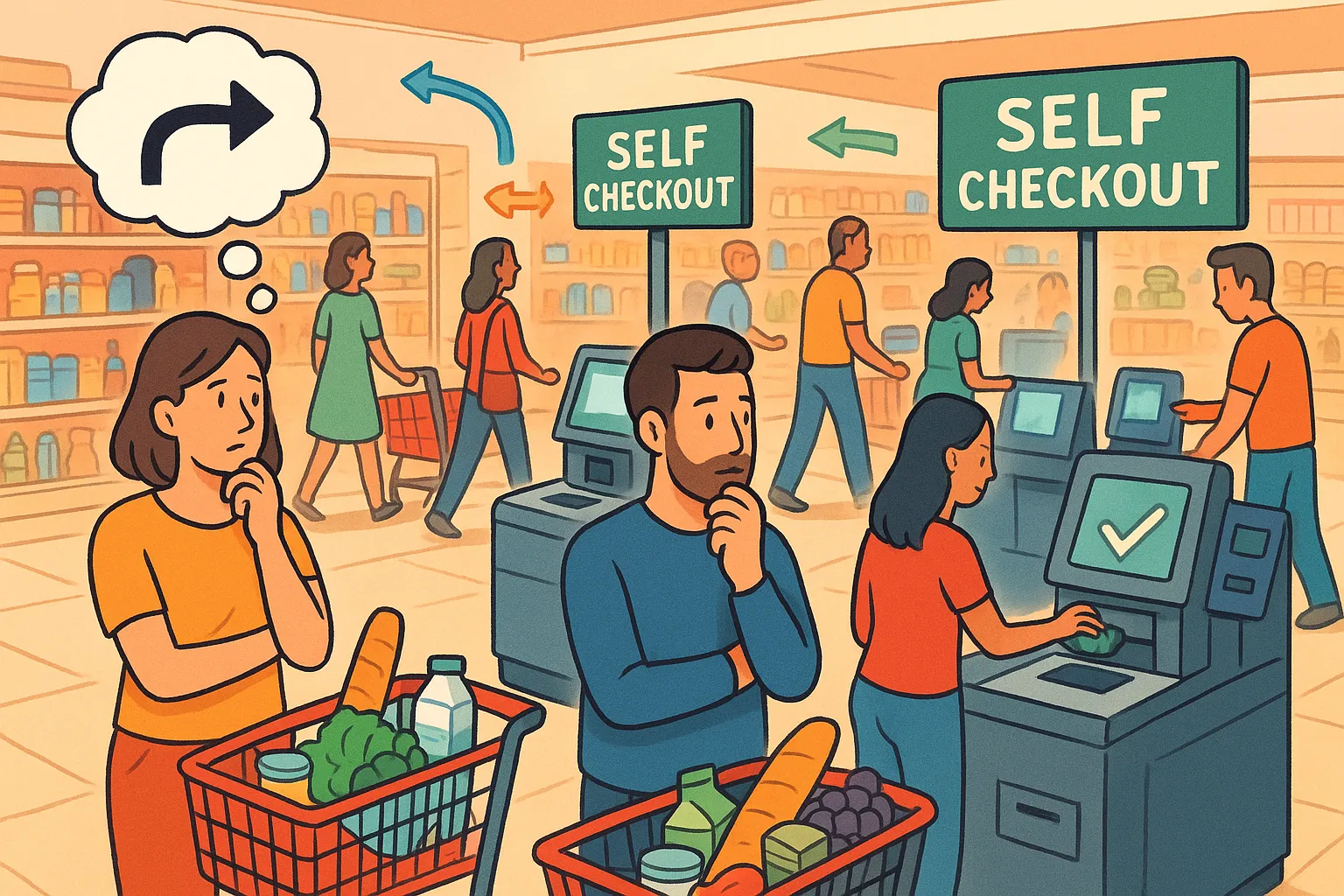
Imagine you're in a grocery store, faced with a decision about which self-checkout line to join. You could make a choice based solely on how many items are in each line, but game theory suggests considering the behavior of the other shoppers, too. If you observe that one line seems to be moving faster because others tend to avoid it, your optimal choice might change, revealing the underlying nature of competition and cooperation in everyday life.
The Prisoner's Dilemma: Trust and Cooperation
One of the most well-known examples in game theory is the Prisoner’s Dilemma, which illustrates how two parties may choose between cooperation and betrayal. Each prisoner must decide whether to betray the other, fully aware that their decision hinges on what the other will do. Surprisingly, the best outcome for both occurs when they cooperate, yet self-interest often leads to both betraying each other, resulting in a worse outcome overall. This scenario sheds light on many real-world situations, from business negotiations to friendships, where the tension between self-interest and mutual benefit plays out.
Why Should You Care?
Understanding game theory not only enhances our decision-making abilities, but it also helps us grasp the dynamics of relationships, workplace scenarios, and yes, even social media interactions. By recognizing the strategic elements involved in our choices, we can work towards more collaborative and beneficial outcomes. After all, in today's interconnected world, the choices we make often reverberate beyond our immediate environment.
Conclusion: Choosing Better Together
Game theory reveals that in many situations, collaborating and considering the choices of others can lead to better outcomes for everyone involved. Whether it's choosing a line at the grocery store, engaging in negotiations, or deciding on group projects at work, applying the principles of game theory can empower us to make smarter choices. So next time you’re faced with a decision, think of the broader implications of your choices—you might just find a path that leads to greater success for all.




