The Hidden Forces of Attraction: Why You’re Drawn to Certain People
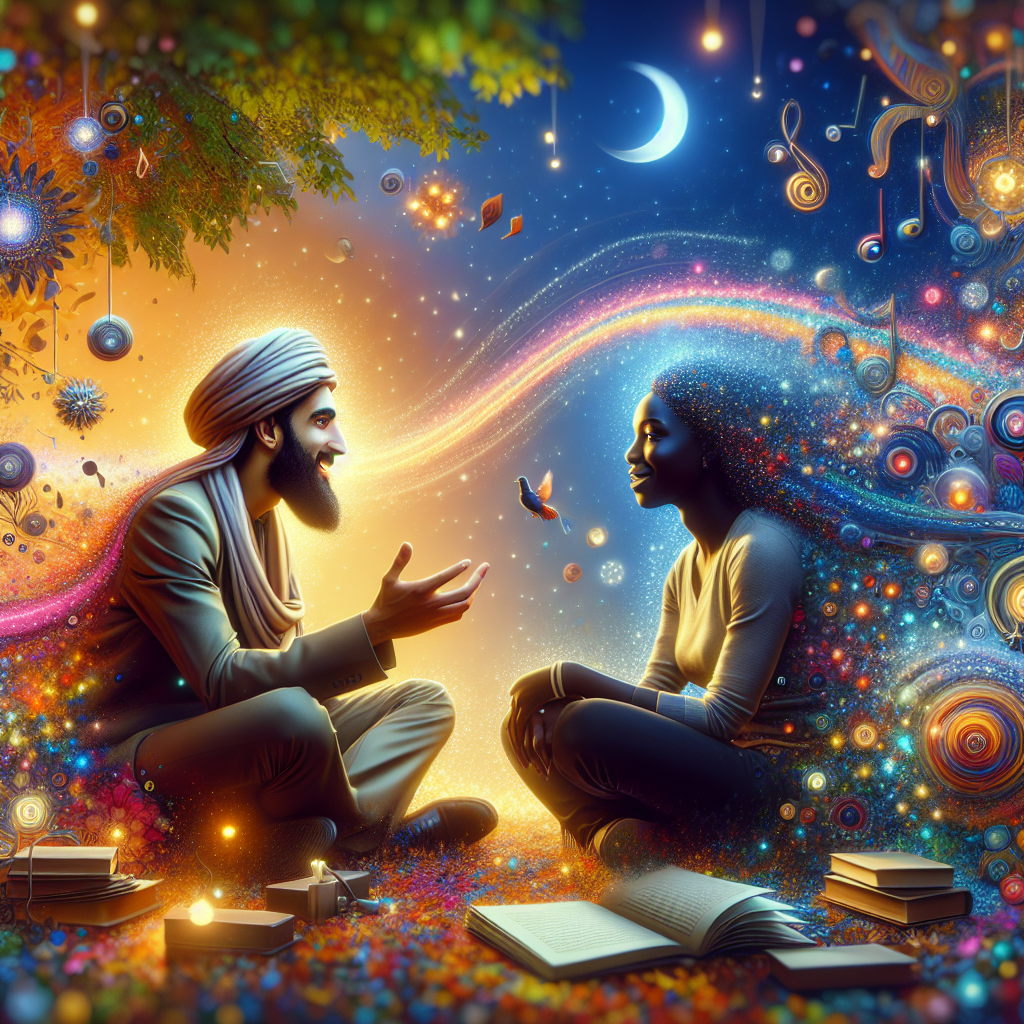
Have you ever met someone and felt an instant spark or connection? Attraction isn’t just about physical appearances; it intertwines complex psychological and biological factors. Understanding the science of attraction can reveal the intricate dance of chemistry, psychology, and sociocultural influences that play a role in our relationships. Whether you're looking for love or simply curious about human connections, knowing why we are attracted to certain individuals can provide intriguing insights.
The Chemistry of Attraction
When we talk about attraction, we often think of chemistry in a romantic sense—sparkling eyes, flirty smiles, and racing hearts. But it’s not just a metaphor; actual chemical processes take place in our bodies. Neurotransmitters like dopamine, the 'feel-good hormone', play a significant role. When we’re attracted to someone, our brain releases dopamine, creating a sense of pleasure and reward that can be quite addictive.
Moreover, pheromones—chemical signals released by our bodies—can unconsciously influence our attraction to others. Research suggests that these scent-based signals can affect mate selection, underscoring the primal instincts that lie beneath our modern relationships.
The Psychology Behind Attraction
Attraction isn't merely a biological response; it's also deeply rooted in psychology. One key factor is similarity. People tend to be attracted to others who share similar values, interests, and backgrounds. This phenomenon, often referred to as the 'similarity-attraction effect', suggests that shared traits and experiences enhance compatibility and understanding between individuals.
Additionally, the concept of 'reciprocal liking' plays a crucial role. Simply put, we are often drawn to those who have shown interest in us as well. This mutual delight can create a positive feedback loop where attraction breeds attraction, making relationships flourish.
The Influence of Environment and Culture
Our surroundings and cultural context also greatly influence whom we find attractive. Societal norms and media representations shape our perceptions of beauty and desirability. For example, different cultures have various standards for attractiveness, affecting personal preferences and relational dynamics on a global scale. Furthermore, situational contexts—like meeting someone at a social event versus a work setting—can alter our perception of attraction profoundly.
The Role of Social Media in Modern Attraction
In today’s digital age, social media has transformed the landscape of attraction. Platforms like Instagram and Tinder enhance visibility and accessibility to potential partners but also create challenges with idealized portrayals of people. The pressure for perfect images can lead to unrealistic expectations and superficial judgments.
Yet, social media also offers a space for connection that transcends geographical boundaries. By providing opportunities for meaningful exchanges, it can enrich relationships that may have never formed otherwise. Navigating this new terrain requires mindfulness, as our online personas often differ from reality.
Conclusion: Trusting Your Instincts
Understanding the science of attraction not only enriches our social interactions but also empowers us to form healthier and more satisfying relationships. By recognizing the biological, psychological, and cultural forces at play, we can approach attraction with a greater awareness. So, next time you feel drawn to someone, consider the hidden forces at work—it could be a fascinating blend of chemistry, psychology, and a dash of social influence.

