
The Green Revolt: How Alternative Energy is Redefining Our Future
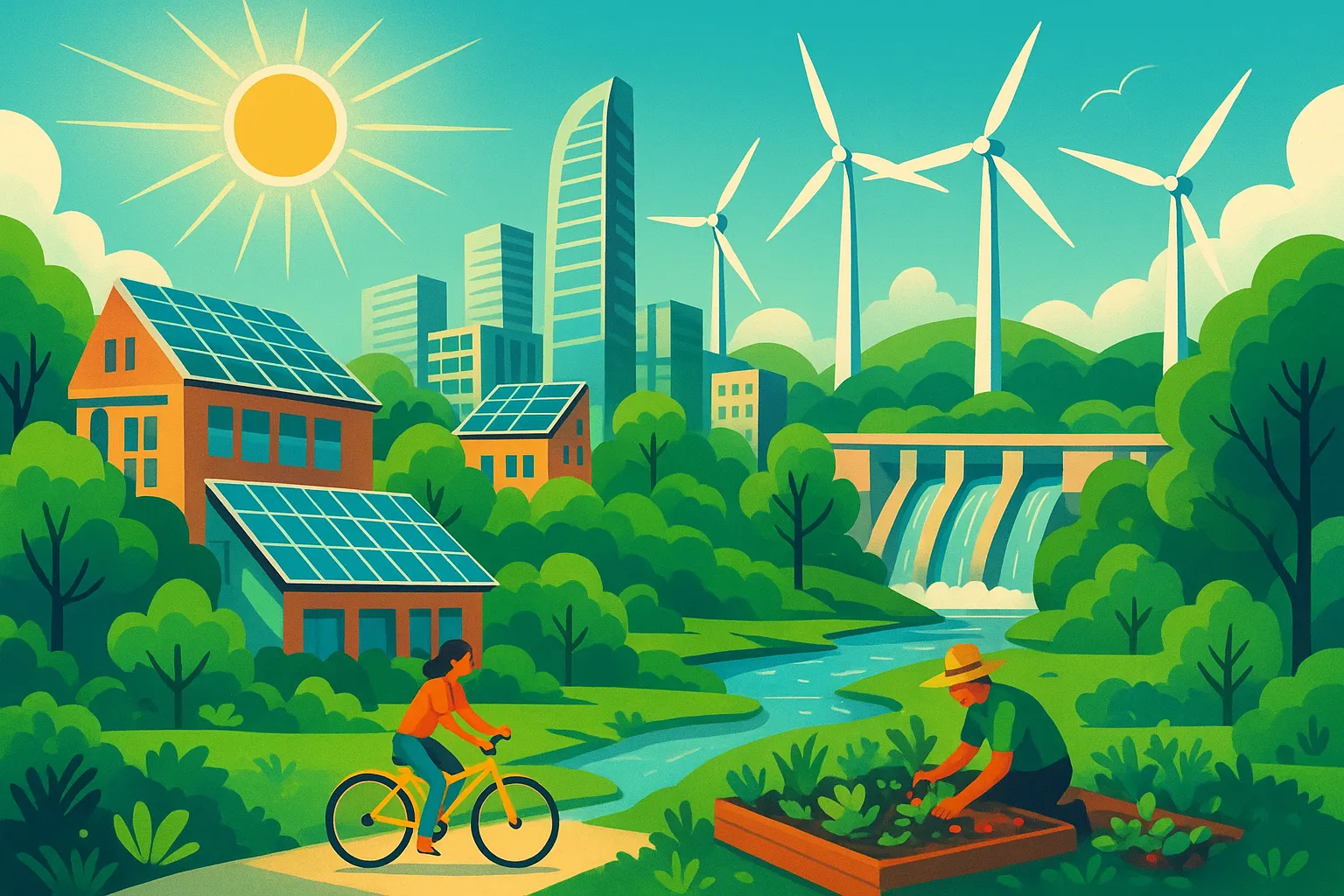
As the world grapples with the glaring effects of climate change and the dwindling reserves of fossil fuels, a revolution is quietly brewing—a shift towards alternative energy sources that promise to reshape our environmental landscape. This emerging energy landscape is not just a passing trend; it's a bold response to the urgent need for sustainable solutions. But what does this mean for you and the planet?
What is Alternative Energy?
At its core, alternative energy refers to energy sources that are not based on fossil fuels. This includes wind, solar, hydroelectric, geothermal, and biomass energy. These sources harness natural phenomena to generate power, significantly reducing our carbon footprint. Unlike coal or oil, alternative energy is often renewable, meaning it can be replenished naturally and used without depleting resources.
Types of Alternative Energy
Let's break down some of the most prominent types of alternative energy:
- Solar Energy: This is derived from the sun's rays, harnessed through solar panels. As technology evolves, solar energy becomes more efficient and more accessible to homeowners and businesses alike.
- Wind Energy: Wind turbines convert kinetic energy from wind into electricity. Wind farms are popping up in many regions, capitalizing on areas with strong and consistent winds.
- Hydroelectric Power: Generated primarily from dams and rivers, this energy utilizes flowing water to produce electricity. It's been a crucial player in energy production for decades.
- Geothermal Energy: This taps into the Earth's internal heat. Geothermal plants can produce consistent and reliable energy, especially in volcanic regions.
- Biomass Energy: This involves using organic materials (like plant and animal waste) to produce energy. It's a way of recycling waste into a valuable resource.
Why Does It Matter?
Shifting to alternative energy isn’t just beneficial for the environment; it also has practical implications for individuals and economies. For example, reliance on renewable energy can lead to price stability in electricity costs, a notable advantage as fossil fuel prices fluctuate. Furthermore, it creates job opportunities in manufacturing, installation, and infrastructure maintenance.
Challenges and Misconceptions
However, the transition to alternative energy is not without its challenges. Critics often point to the initial cost of renewable technologies as a deterrent. While it's true that upfront investments can be higher, the long-term savings on energy bills and government incentives could outweigh those initial costs. Additionally, there are misconceptions about alternative energy's reliability. Technological advancements have significantly improved energy storage solutions, making renewables more dependable than ever.
The Road Ahead
The journey towards a sustainable energy future requires collaboration among governments, businesses, and individuals. Community initiatives, policy frameworks incentivizing green energy, and responsible consumer behavior can accelerate this transition. Each of us has a role to play, whether it's by reducing energy consumption, advocating for green policies, or choosing to support green businesses.
As we stand at the intersection of necessity and innovation, embracing alternative energy is not just an option; it's an imperative. A green revolution is underway, and by supporting it, we not only safeguard our planet but also champion healthier lifestyles and economies.




