The Evolutionary Blueprint of Life: Unraveling Nature’s Ingenious Design
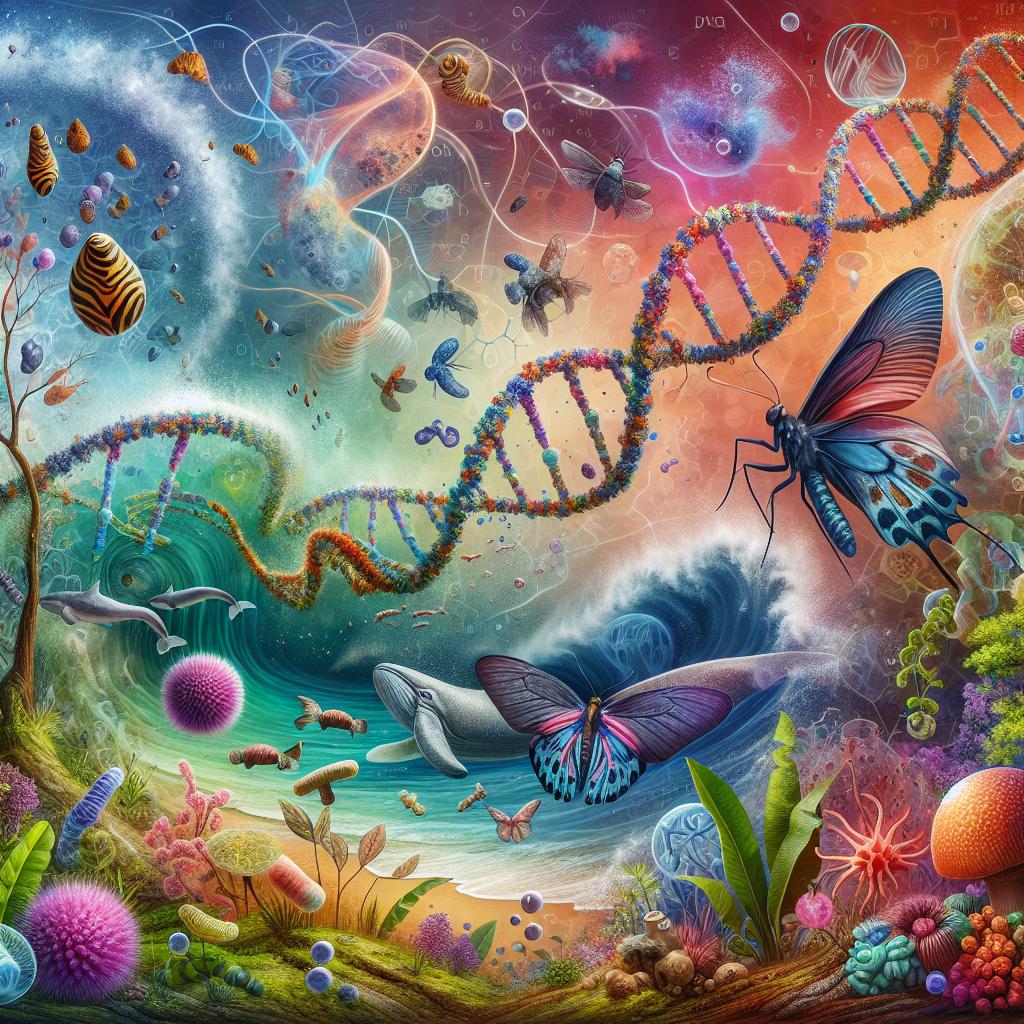
In a world where the complexity of life continues to astound us, evolutionary biology stands as one of the most intriguing fields of science. From the tiniest microorganisms to majestic whales, the diversity of life is a testament to nature’s intricate design and creativity. But what lies beneath the surface of this vibrant tapestry? Let's dive into the principles of evolutionary biology that illuminate how the world functions and offer insights that resonate with our everyday lives.
What Is Evolutionary Biology?
At its core, evolutionary biology is the study of how living organisms change over time through the process of natural selection, mutation, and genetic drift. Imagine it as nature's grand experiment, where species adapt and evolve to survive in ever-changing environments. This scientific discipline helps us understand everything from the simple adaptations of a chameleon changing its color to the more complex evolution of human beings from primate ancestors.
The Power of Natural Selection
Natural selection is often summarized by the phrase "survival of the fittest," but this doesn’t imply that the strongest or fastest individuals necessarily prevail. Instead, it emphasizes how those that are best suited to their environments thrive and reproduce. For example, consider the peppered moth in England. During the Industrial Revolution, soot-covered buildings favored darker moths, allowing them to blend into their surroundings and evade predators. The lighter moths diminished in number—a clear illustration of natural selection in action.
Genetic Variation: The Key to Survival
Genetic variation within a population is essential for evolution. Think of it as a deck of cards: the more varied the cards, the greater the chance of winning the game. Without genetic diversity, a population is susceptible to diseases and environmental changes that could wipe them out. A striking example includes the Irish potato famine of the 1840s, where the over-reliance on a single potato variety led to disaster when a disease swept through. Diversity in crops could have prevented the catastrophe.
Applications Beyond Nature
The principles of evolutionary biology extend far beyond the animal kingdom, influencing fields such as medicine, conservation, and even technology. In medicine, understanding how pathogens evolve helps scientists develop vaccines and treatments that stay a step ahead. Similarly, the field of conservation utilizes evolutionary principles to maintain biodiversity and ensure the resilience of ecosystems.
Why Should You Care?
Understanding evolutionary biology isn’t just for scientists; it’s vital for everyone. The knowledge we gain from this field can improve our health, safeguard our environment, and enhance our appreciation for the rich tapestry of life. By embracing the principles of evolution, we become more informed custodians of our planet—a responsibility that is increasingly important as we confront environmental challenges and the loss of biodiversity.
The Future of Evolutionary Studies
As technology continues to advance, the scope of evolutionary biology expands. With the advent of genomic sequencing, researchers can unravel the DNA of various species and uncover their evolutionary history. This could lead to breakthroughs in understanding diseases and developing sustainable practices for conservation. The future holds exciting possibilities that could redefine our relationship with nature.
In conclusion, evolutionary biology unlocks a world of knowledge that not only explains our past but also guides us toward a sustainable future. By appreciating the natural processes at play, we can foster a deeper connection to the world around us and make conscious decisions that benefit both humanity and the environment.

