Terraforming: Is Our Quest to Turn Mars Into a Second Earth Closer Than We Think?
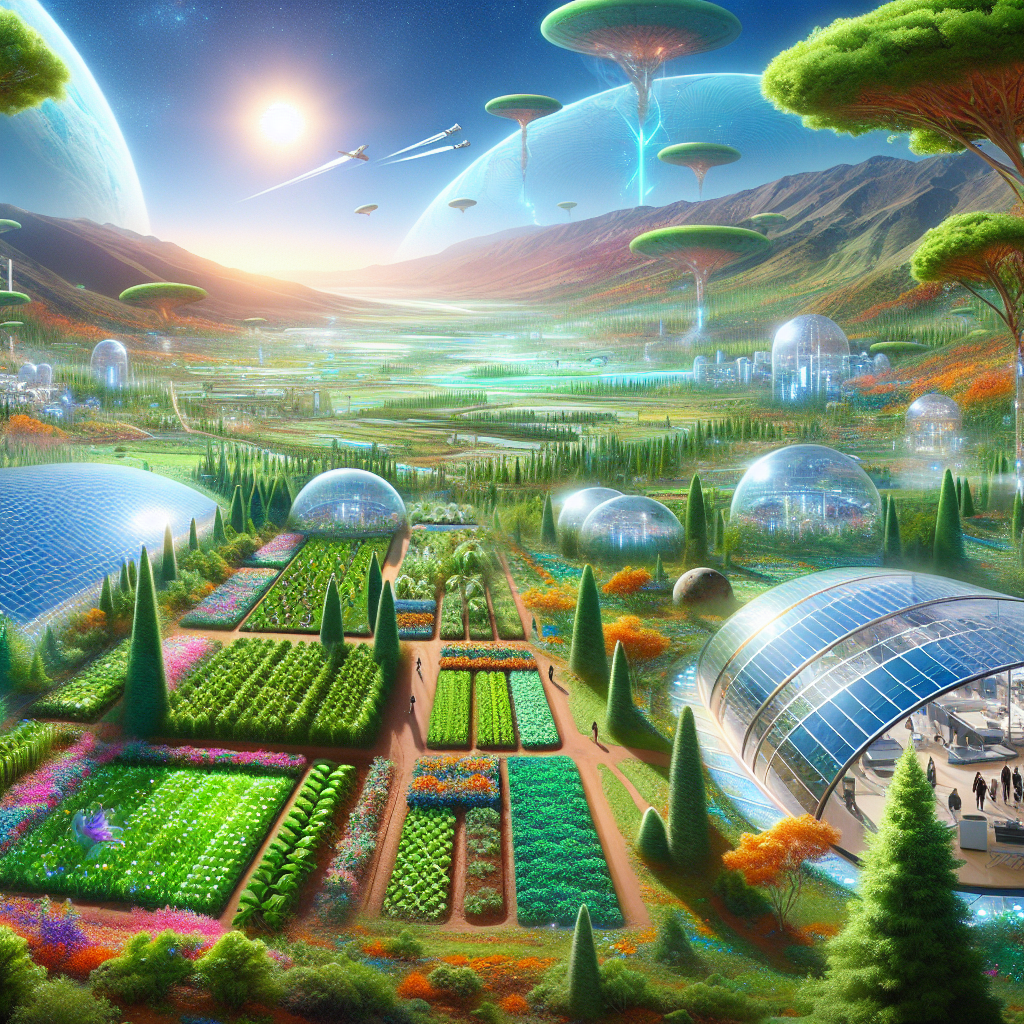
The idea of transforming distant, inhospitable planets into lush, green havens is more than just a sci-fi fantasy; it is a tantalizing prospect that could redefine humanity's future. As we face environmental challenges here on Earth, the concept of terraforming—altering the environment of a planet to make it habitable for humans—offers an exciting solution to our overpopulation and resource depletion issues. But just how close are we to making Mars, our most promising candidate, a second Earth?
The Basics of Terraforming
At its core, terraforming involves modifying a planet's atmosphere, temperature, and surface to create conditions suitable for life. Envision breathing clean air, sipping water, and walking among trees and wildlife, all on a distant planet! While it sounds extraordinary, the science behind terraforming is rooted in physics, chemistry, and biology.
The first significant hurdle is the atmosphere. Mars, for instance, has about 1% of Earth's atmospheric pressure and is primarily composed of carbon dioxide. To make it breathable, we would need to thicken the atmosphere, possibly releasing greenhouse gases to trap heat and warm the planet. This process could take centuries, if not millennia, but recent advancements in technology may accelerate this timeline.
Tools of the Terraforming Trade
Research into terraforming techniques has become increasingly sophisticated. Some scientists propose using giant mirrors to reflect sunlight onto the surface, gradually warming the polar ice caps and releasing trapped CO2. Others suggest genetically engineered bacteria that could convert Martian soil into nutrient-rich material for agriculture.
Furthermore, exploring the use of nuclear fusion to create controlled “miniature suns” on Mars presents an ambitious yet intriguing solution for heating and sustaining energy needs. If these may sound like plotlines ripped from a science fiction novel, remember—scientific advancements often start as dreams before becoming reality.
Ethical Considerations and Challenges
As exciting as terraforming sounds, it is not without ethical dilemmas. Should we terraform and potentially destroy any existing ecosystems on another planet? How would we ensure that we’re not just repeating Earth’s mistakes on a new world? These moral questions require thorough debate in the scientific community and beyond.
Moreover, financing such ambitious projects poses another challenge. With today's global priorities focused on fighting climate change and social issues, allocating resources to interplanetary endeavors could spark controversy. However, proponents argue that investing in space exploration could yield technological advancements benefitting life on Earth.
The Road Ahead: A Green Mars?
NASA and private companies like SpaceX are already taking steps toward human colonization of Mars, providing the groundwork for terraforming initiatives. The concept of sending humans to Mars in the next decade presents opportunities for potential breakthroughs in terraforming technologies through real-time experimentation.
The long journey of making Mars habitable will require international teamwork, innovative ideas, and a genuine commitment to learning from our past mistakes. And while it may seem like a distant dream, the reality of changing Mars from a barren landscape to a new home may be closer than we think. After all, the stars may not just hold our fascination but our future as well.

