
Soaring High: The Simple Science Behind How Airplanes Defy Gravity
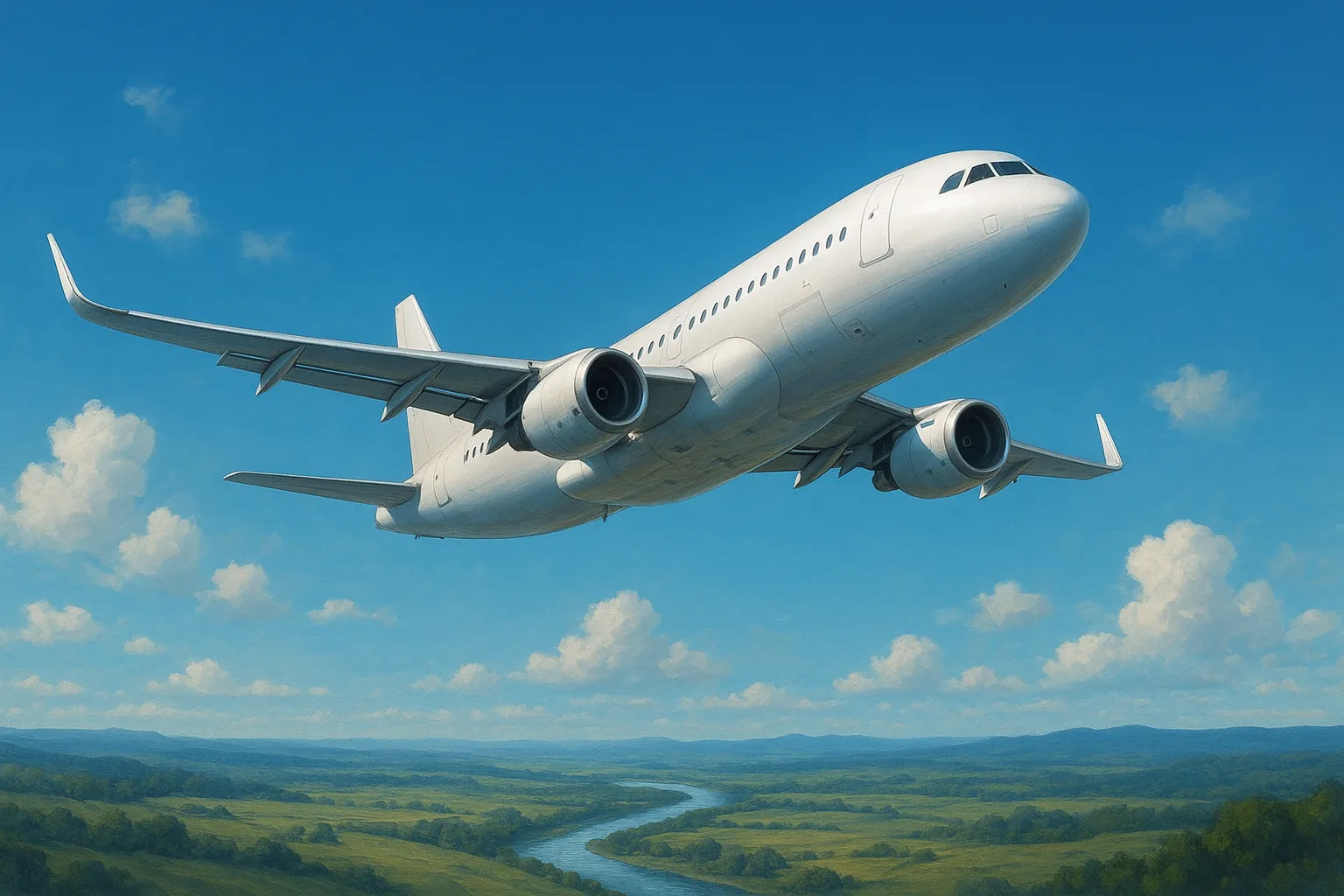
Have you ever looked up at a plane soaring gracefully through the sky and wondered, "How does that massive metal bird actually fly?" The concept of flight might seem like magic, but it’s grounded in basic physics that everyone can understand. Let’s take a closer look at the fascinating principles that allow airplanes to navigate the skies.
The Four Forces of Flight
At the heart of every flight are four essential forces: lift, weight, thrust, and drag. Understanding these forces is key to appreciating how airplanes fly.
Lift is the force that lifts the airplane off the ground. It is generated by the movement of air over and under the aircraft's wings. The shape of the wing, known as an airfoil, helps create a pressure difference between the upper and lower surfaces, allowing lift to occur.
Weight is simply the force of gravity acting on the airplane. It pulls the aircraft downward and must be overcome by lift for the plane to take off.
Thrust is the forward force produced by the airplane's engines. Whether powered by jet engines or propellers, thrust propels the plane through the air, enabling it to reach the speed required for lift-off.
Drag is the resistance a plane experiences as it moves through the air. It works against thrust and slows the aircraft down. Design considerations, like streamlined shapes, help reduce drag for smoother flights.
How Do Planes Take Off?
To take flight, a plane must generate enough lift to overcome its weight. This begins on the runway, where engines create thrust, pushing the plane forward. As the aircraft accelerates, air rushes over and under the wings, and once the speed reaches a critical point, enough lift is generated to counteract weight. Voilà! The plane is airborne.
The Role of Control Surfaces
Once in the air, pilots use control surfaces to maneuver. The ailerons, elevators, and rudder make it possible to turn, climb, or descend. These surfaces adjust the airflow around the aircraft to create variations in lift and drag, allowing for precise control.
Landing: The Art of Descent
Landing involves a delicate balance of these forces. Pilots reduce thrust and allow the airplane to descend gradually. Then, by manipulating control surfaces, they align with the runway and manage to touch down gently, converting lift back into weight.
Why It Matters
Understanding how airplanes fly not only satisfies curiosity but also inspires awe for human ingenuity. Each flight connects us, breaks boundaries, and makes the world feel smaller. The next time you see a plane in the sky, remember: it’s not just defying gravity; it’s a marvel of physics that we’ve mastered over the years.




