
Secrets of the Deep: How Marine Biology is Unlocking Mysteries Beneath the Waves
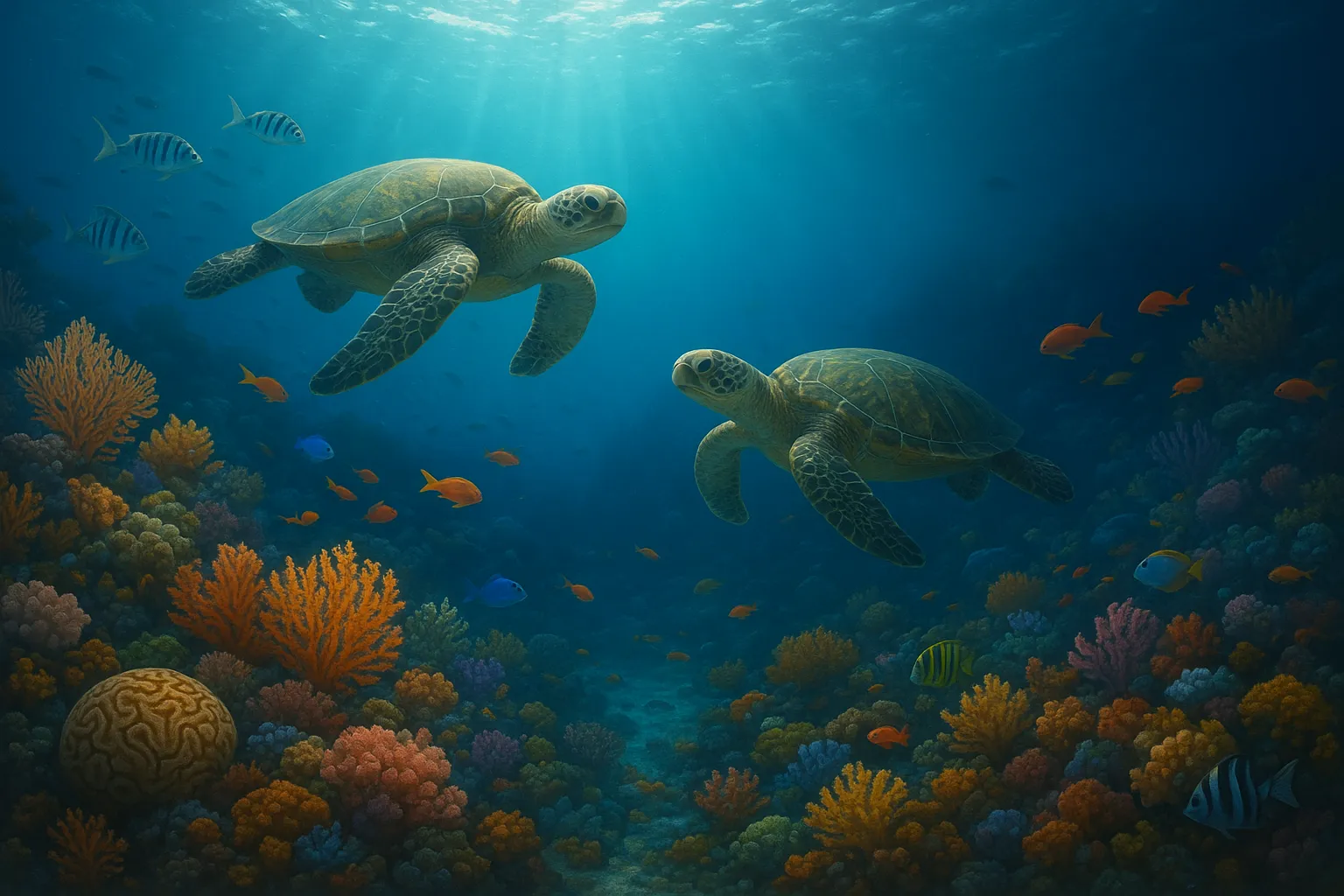
Marine biology, the study of life in the oceans, is like peering into another world. From vibrant coral reefs to the mysterious depths of the abyss, the ocean is home to an incredible diversity of life that continues to surprise and inspire scientists and laypeople alike. This article explores the fascinating realm of marine biology, revealing how understanding these underwater ecosystems can have profound implications for our planet and our health.
The Ocean: Earth's Final Frontier
Covering more than 70% of the Earth’s surface, the ocean is a vast and largely unexplored territory. Scientists estimate that 95% of the ocean remains uncharted, which means we know more about the surface of Mars than we do about our own oceans. This unexplored expanse holds untold secrets about marine life, climate change, and potential advancements in medicine.
The Importance of Marine Biodiversity
Marine biodiversity is not just about the variety of species; it’s also vital for the overall health of our planet. Healthy oceans regulate climate, produce half the oxygen we breathe, and provide livelihoods for millions of people worldwide. Consider this: coral reefs support about 25% of all marine life despite covering less than 1% of the ocean floor. Protecting these ecosystems and understanding their complexities is critical in combating biodiversity loss.
Marine Biology and Climate Change
Scientists are increasingly turning to marine biology to understand and address climate change. Oceans absorb about 30% of carbon dioxide emissions, leading to ocean acidification. This phenomenon is detrimental to marine life, particularly organisms with calcium carbonate shells, like corals and some shellfish. By studying these impacts, marine biologists can help develop strategies for conservation and sustainability, making the oceans resilient in the face of climate change.
The Potential for Medical Discoveries
The ocean is often referred to as a pharmacy of the future. Creatures found in the ocean produce compounds that can lead to breakthroughs in medicine. For example, research into substances derived from marine organisms has led to new treatments for cancer, pain relief, and even anti-viral medications. By harnessing these biological wonders, we can potentially unlock cures for ailments that affect millions.
The Role of Technology in Marine Research
Advancements in technology have revolutionized marine biology. Tools such as sonar mapping, remotely operated vehicles (ROVs), and even AI are being used to explore the depths of the oceans like never before. These technologies allow scientists to gather data, monitor ecosystems, and even capture footage of elusive marine beings, contributing invaluable knowledge to the field.
Getting Involved in Marine Conservation
So, how can we, as individuals, contribute to marine conservation? Simple actions can have a profound impact. Reducing plastic use, participating in beach clean-ups, and supporting sustainable seafood choices are just a few ways to help protect our oceans. Education is also vital; the more we learn about marine biology, the more we can advocate for the health of our seas.
In conclusion, marine biology offers a kaleidoscope of opportunities to understand our planet, confront pressing environmental issues, and even discover life-saving medicines. As we continue to explore the depths of the ocean, we must remember our responsibility to protect these vital ecosystems for future generations. The secrets of the deep are not just for scientists; they are a treasure trove of knowledge waiting to be discovered by all of us.


