Nanotechnology: The Invisible Revolution That's Changing Our Daily Lives
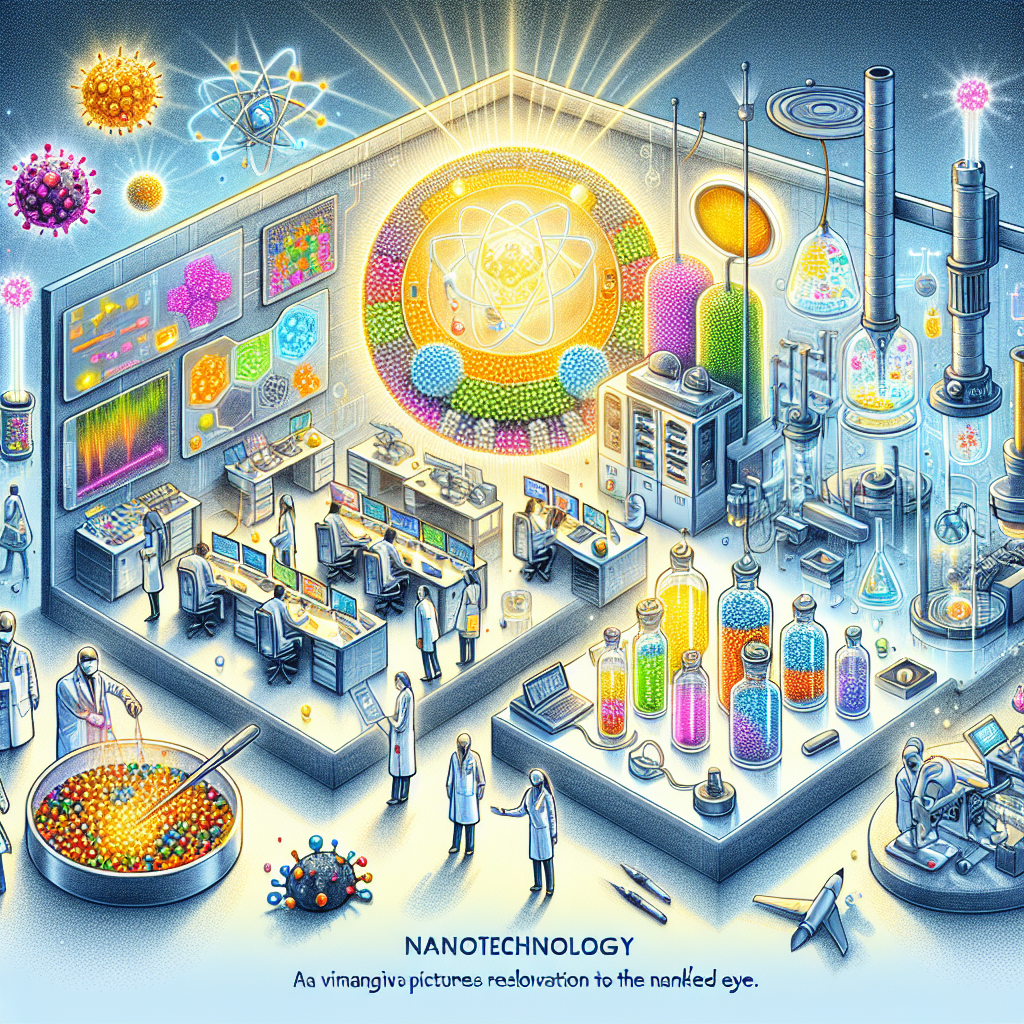
Imagine being able to create materials stronger than steel that are lighter than feathers, or medicines that target diseases at the cellular level, all thanks to tiny particles that are invisible to the naked eye. Welcome to the world of nanotechnology—a cutting-edge field that’s quietly reshaping everything from healthcare to electronics and even environmental solutions.
What is Nanotechnology?
At its core, nanotechnology is the manipulation of matter on an atomic or molecular scale, typically at dimensions between 1 and 100 nanometers. To put this in perspective, a single nanometer is a billionth of a meter—roughly 100,000 times smaller than the width of a human hair! By working at this minute scale, scientists and engineers can create new properties and functions in materials.
The Health Revolution: Medicines at the Nano Level
One of the most exciting applications of nanotechnology is in medicine. Researchers are developing nanoparticles that can carry drugs directly to targeted cells, minimizing side effects and improving the effectiveness of treatments. For instance, in cancer therapy, these tiny carriers can deliver chemotherapy drugs directly to tumors, sparing healthy tissues from the harsh effects of conventional treatment. Recent studies suggest that this method could reduce the required dosage by up to 90%, making treatments less taxing on patients.
Enhancing Electronics: Beyond the Conventional
The impact of nanotechnology on electronics is equally groundbreaking. Tiny components, like transistors and circuits, are being developed at the nanoscale to create faster and more efficient devices. Imagine smartphones and computers that can process information at lightning speed while consuming less energy. This miniaturization leads to longer battery life and enhanced performance. In fact, as semiconductor companies chase the challenge of Moore's Law, which observes that the number of transistors on a chip doubles approximately every two years, nanotechnology is helping them stay ahead of the curve.
Environmental Solutions: Fighting Pollution with Tiny Innovations
Nanotechnology is also making strides in environmental protection. For example, nano-coatings that can repel water and dirt are being used to create more durable and sustainable products. Additionally, researchers are experimenting with nanomaterials that can absorb heavy metals and pollutants from water sources, effectively cleaning our environment at a microscopic level. This not only aids in pollution control but also paves the way for cheaper and more efficient water filtration systems.
The Future is Bright—But With Caution
While the promise of nanotechnology is immense, it’s essential to approach it with caution. Concerns about the safety and environmental impact of nanomaterials are valid and require thorough research and regulation. Experts advocate for responsible development to ensure that this technology benefits humanity without detrimental side effects.
Conclusion: Embracing the Nano Era
As we look ahead, nanotechnology stands to usher in an era of innovation and efficiency. From healthcare breakthroughs to smarter electronics and cleaner environments, the possibilities are both exciting and transformative. By embracing this invisible revolution, we could unlock solutions to some of humanity's most pressing challenges—if we navigate its development wisely.

