How Open-Source Software Is Revolutionizing the Digital World—And Why You Should Care
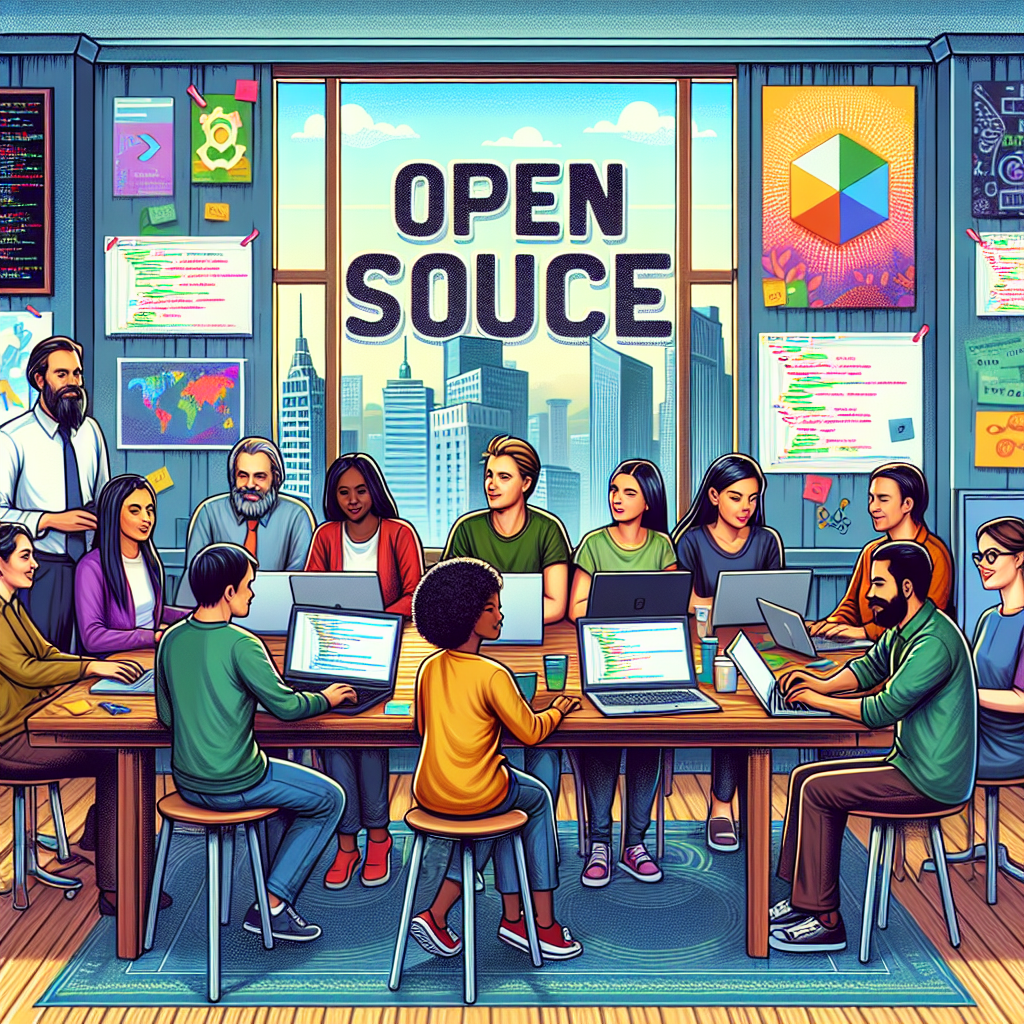
In an age where technology drives nearly every aspect of our lives, there's a quiet revolution brewing that's changing how software is created and shared. Open-source software (OSS) is not just a tech buzzword; it's a movement that empowers individuals, fosters innovation, and sparks community collaboration. But what exactly does this mean for the average person? Let’s delve into the world of open-source software and discover its profound impact.
What Is Open-Source Software?
At its core, open-source software is any computer program whose source code is made publicly available for anyone to inspect, modify, and enhance. This transparency contrasts sharply with proprietary software, which restricts access and control over the code. Think of it like a recipe: if you can see all the ingredients and steps, you can make variations or improve upon it. Popular examples of open-source software include the Linux operating system, the Firefox web browser, and the well-known WordPress platform used for website building.
The Benefits of Open-Source Software
Open-source software offers several compelling advantages:
- Cost-Effective: Many open-source programs are completely free, allowing users to access high-quality tools without the hefty price tag associated with traditional software.
- Community-Driven: OSS projects thrive on collaboration. Developers and users work together, ensuring that software is continuously improved and updated based on real-world needs.
- Enhanced Security: With many eyes scrutinizing the code, vulnerabilities can be identified and fixed more quickly than in proprietary software. This collective vigilance leads to more secure and reliable applications.
How Open Source Affects Your Daily Life
You might not realize it, but open-source software plays a significant role in your everyday digital experience. When you use popular websites or applications, chances are they rely on open-source components. For instance, many social media platforms utilize the Linux operating system for their servers. Even your smartphone may run on open-source software frameworks, helping to manage everything from calls to apps.
Join the Movement
So, how can you get involved in this open-source revolution? Here are a few suggestions:
- Try Open-Source Software: Explore alternatives like GIMP for photo editing or LibreOffice for document processing. You might find they meet your needs just as well as paid software!
- Contribute: If you have coding skills, consider contributing to an open-source project. If you’re not a developer, you can still help by reporting bugs or advocating for your favorite projects.
- Spread the Word: Share your newfound knowledge about open-source software with friends and family. The more people understand its benefits, the more it will grow.
The Future of Open Source
As technology continues to evolve, so too will the open-source movement. Businesses and governments are increasingly recognizing the benefits of OSS, sparking a shift in how software is developed and utilized. The democratization of technology through open source opens doors to innovation and creativity that could change the world. The future isn’t just about software; it’s about collaboration, transparency, and empowerment.
In the end, the significance of open-source software extends far beyond tech enthusiasts and developers. It’s an opportunity for everyone to participate in shaping the digital landscape, ensuring that technology serves the many rather than the privileged few. The more we engage with and support open-source initiatives, the richer our collective digital experience will become.

