
How Nanotechnology is Revolutionizing Health: The Tiny Science Making a Big Impact
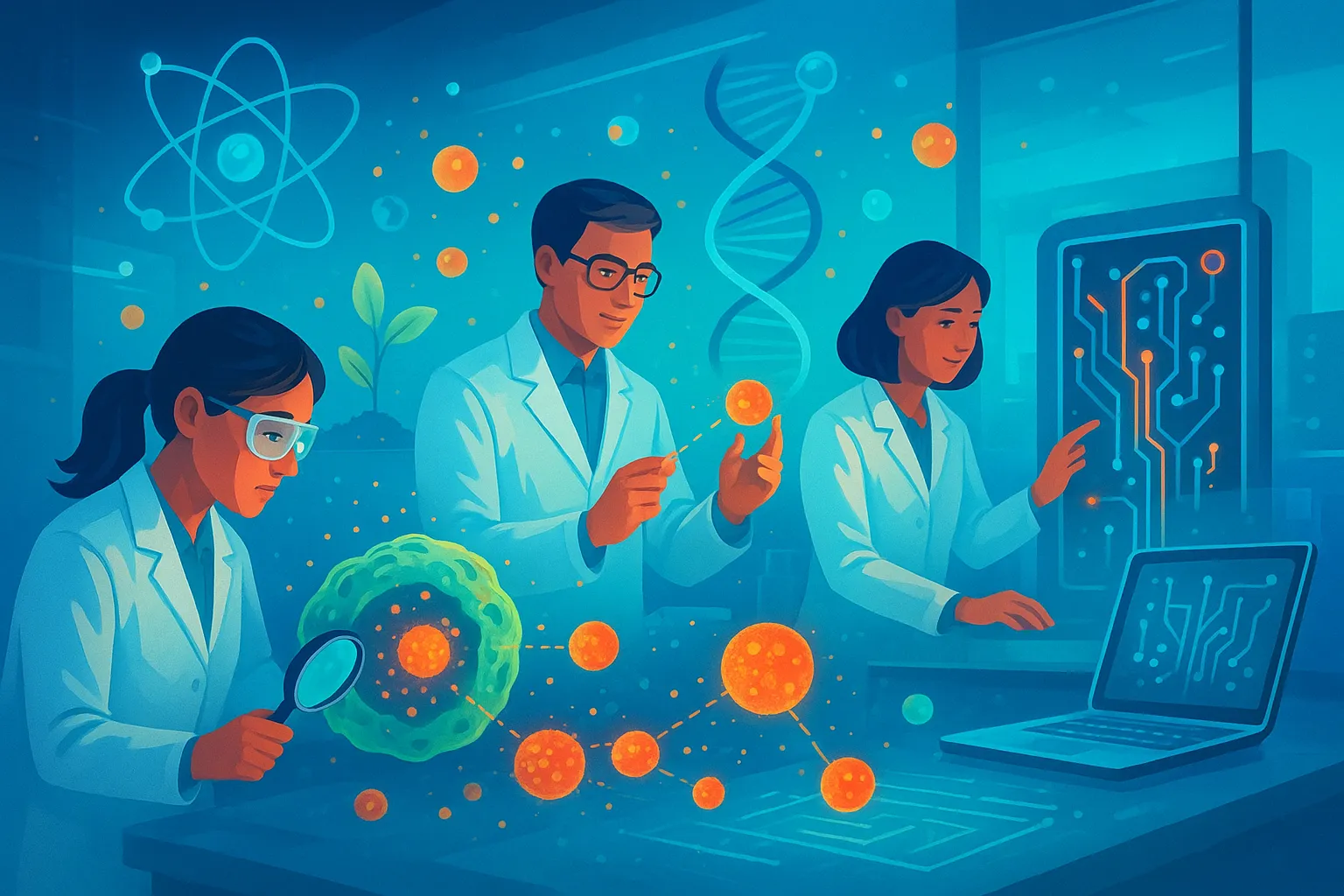
In an era where technology is evolving at lightning speed, one microscopic field stands out for its potential to transform various industries—nanotechnology. Defined as the manipulation of matter at the atomic and molecular level, nanotechnology offers exciting possibilities, especially in medicine, electronics, and environmental science. But what does this really mean for the average person, and how can these tiny innovations make a profound impact on our daily lives?
The Basics of Nanotechnology
At its core, nanotechnology involves working with particles that are smaller than 100 nanometers, which is about 1/100,000th the width of a human hair. This small scale allows scientists to manipulate materials in ways that aren’t possible at larger sizes. For example, materials can exhibit unique properties that can improve their effectiveness—strengthening metals, enhancing the efficiency of solar cells, or even improving drug delivery systems.
Nanotechnology in Healthcare: A Game-Changer
One of the most promising applications of nanotechnology is in healthcare. Imagine a future where diseases are detected earlier and treated more effectively—this is where nanomedicine comes in. Nanoparticles can be designed to target specific types of cells, such as cancer cells, delivering medications directly where they are needed without harming surrounding healthy cells. This precision could significantly reduce side effects and enhance treatment outcomes.
The Impact on Daily Life
While the idea of nanoparticles might seem distant from everyday concerns, their applications are already starting to shape how we approach health and wellness. Some sunscreen brands now incorporate nanotechnology to provide effective UV protection without the greasy feel of traditional formulas. Likewise, advancements in smart textiles utilize nanoparticles that absorb moisture and help regulate body temperature, enhancing comfort in our clothing.
The Environmental Benefits
Nanotechnology is not just limited to healthcare; it also offers solutions for environmental issues. For instance, nanoparticles are being researched as catalysts for energy-efficient chemical reactions, potentially leading to cleaner technologies. Water purification processes using nanoscale materials can filter out contaminants more effectively than conventional methods, ensuring safer drinking water for everyone.
Future Outlook and Considerations
While the prospects of nanotechnology are undeniably exciting, they also raise questions about safety and ethical implications. Researchers are continually assessing the environmental and health effects of nanoparticles to ensure they do not pose any risk to humanity or the planet. As society navigates this uncharted territory, it becomes essential to balance innovation with cautious oversight.
Conclusion: Embracing the Tiny Revolution
From targeted cancer therapies to advanced electronic devices and eco-friendly materials, nanotechnology signifies a shift toward a future where the smallest advancements can lead to monumental changes. As we learn more about this microscopic revolution, it is important for individuals to stay informed and engaged, recognizing how these tiny innovations offer tangible benefits that can enhance our quality of life. Embracing this technological frontier may just open a new world of possibilities that once seemed unimaginable.


