How 3D Printing is Revolutionizing Creativity and Manufacturing: A Deep Dive into Its Impact
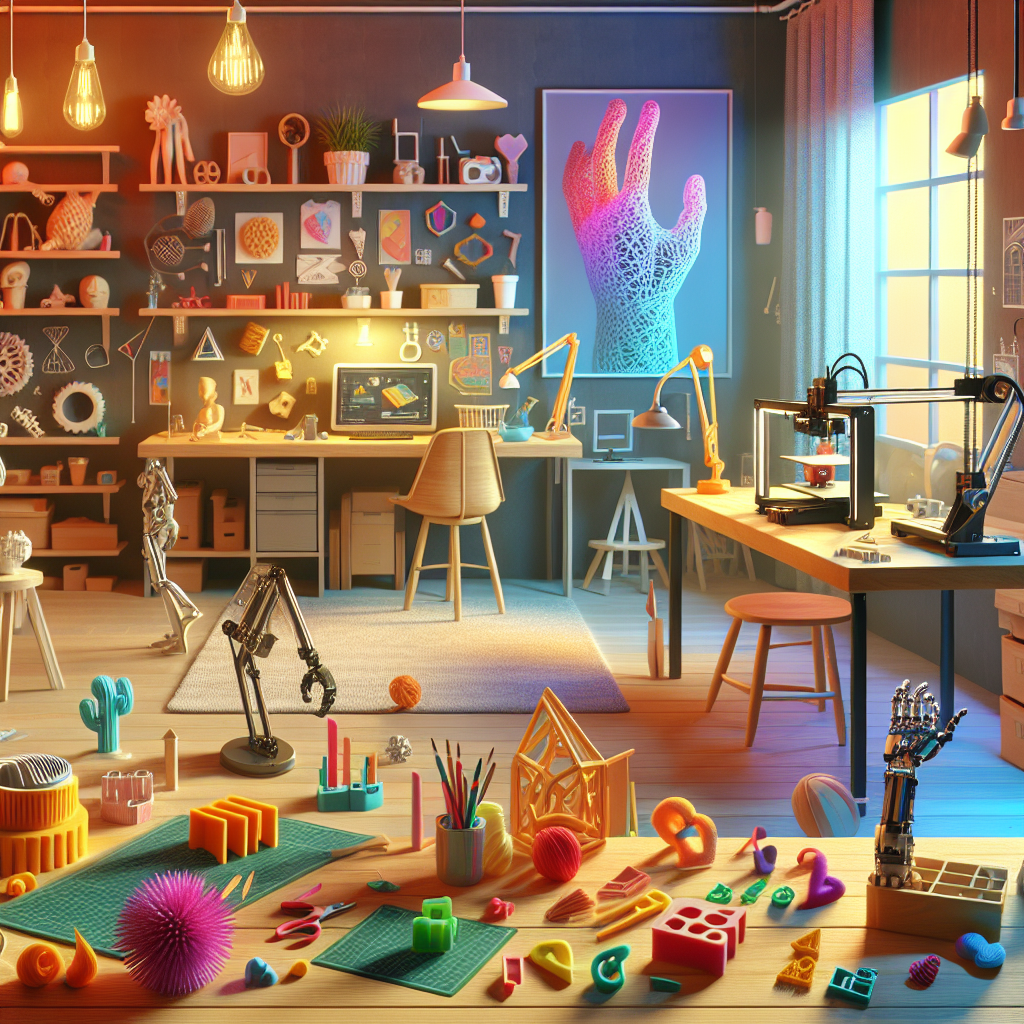
Imagine being able to create anything from a simple toy to a custom-made prosthetic limb right in your own home. Welcome to the world of 3D printing, a technology that is reshaping industries and igniting the imagination of creators and innovators alike. This article delves into what 3D printing is, how it works, and why it's more than just a trend; it's a movement that's changing how we think about production and creativity.
What is 3D Printing?
At its core, 3D printing is a method of creating three-dimensional objects layer by layer from a digital file. Unlike traditional manufacturing processes, which often require cutting, drilling, or molding materials into shape, 3D printing adds material incrementally. This means you can produce complex designs that would be impossible or extremely costly using traditional methods.
How Does 3D Printing Work?
The process generally begins with a digital 3D model, which can be created using computer-aided design (CAD) software. This model is then sliced into thousands of thin horizontal layers by special software. The printer reads these slices and begins to deposit materials, which could be anything from plastic to metal to even biocompatible materials, to build the item layer by layer until it’s complete. Most printers utilize one of several technologies, including Fused Deposition Modeling (FDM) and Stereolithography (SLA), each suited for different applications and materials.
The Benefits of 3D Printing
One of the most significant advantages of 3D printing is customization. Consumers can design products tailored to their exact specifications, from personalized gifts to specialized tools. Beyond customization, 3D printing is more eco-friendly compared to traditional manufacturing, as it typically generates less waste. Additionally, this technology facilitates rapid prototyping—companies can quickly iterate designs, test them, and make improvements without spending significant time and resources.
Revolutionizing Multiple Industries
The impact of 3D printing spans various sectors. In healthcare, for instance, it’s being used to create personalized implants and even bioprinted tissues. In architecture, architects can print scale models of their designs, allowing for more effective visualization and modification. The automotive and aerospace industries are also reaping the benefits by using 3D printing for creating lightweight, durable components, which can lead to more fuel-efficient vehicles and aircraft.
The Challenges Ahead
Despite its promises, 3D printing faces challenges. Issues such as material limitations, printing speed, and quality consistency can hinder broader adoption. Additionally, there are also concerns about intellectual property rights; as the ability to replicate objects becomes more widespread, the potential for copyright infringement grows.
The Future of 3D Printing
The domain of 3D printing is continually evolving. Innovations such as multi-material printing, which allows for the combination of different materials in a single object, are on the horizon. Furthermore, advancements in bio-printing could lead to breakthroughs in medical treatments and organ replacement in the future. As accessibility increases, we can only imagine how 3D printing will empower creators, entrepreneurs, and everyday people to bring their ideas to life like never before.
In conclusion, 3D printing is more than just a technical innovation; it’s a gateway to a new era of creativity and efficiency across numerous fields. Whether you’re a budding designer, a manufacturer looking to streamline your processes, or just someone curious about technological advancements, the world of 3D printing offers something valuable for everyone.

