
From Stone Tools to Smartphones: The Evolution of Technology and What It Means for Us Today
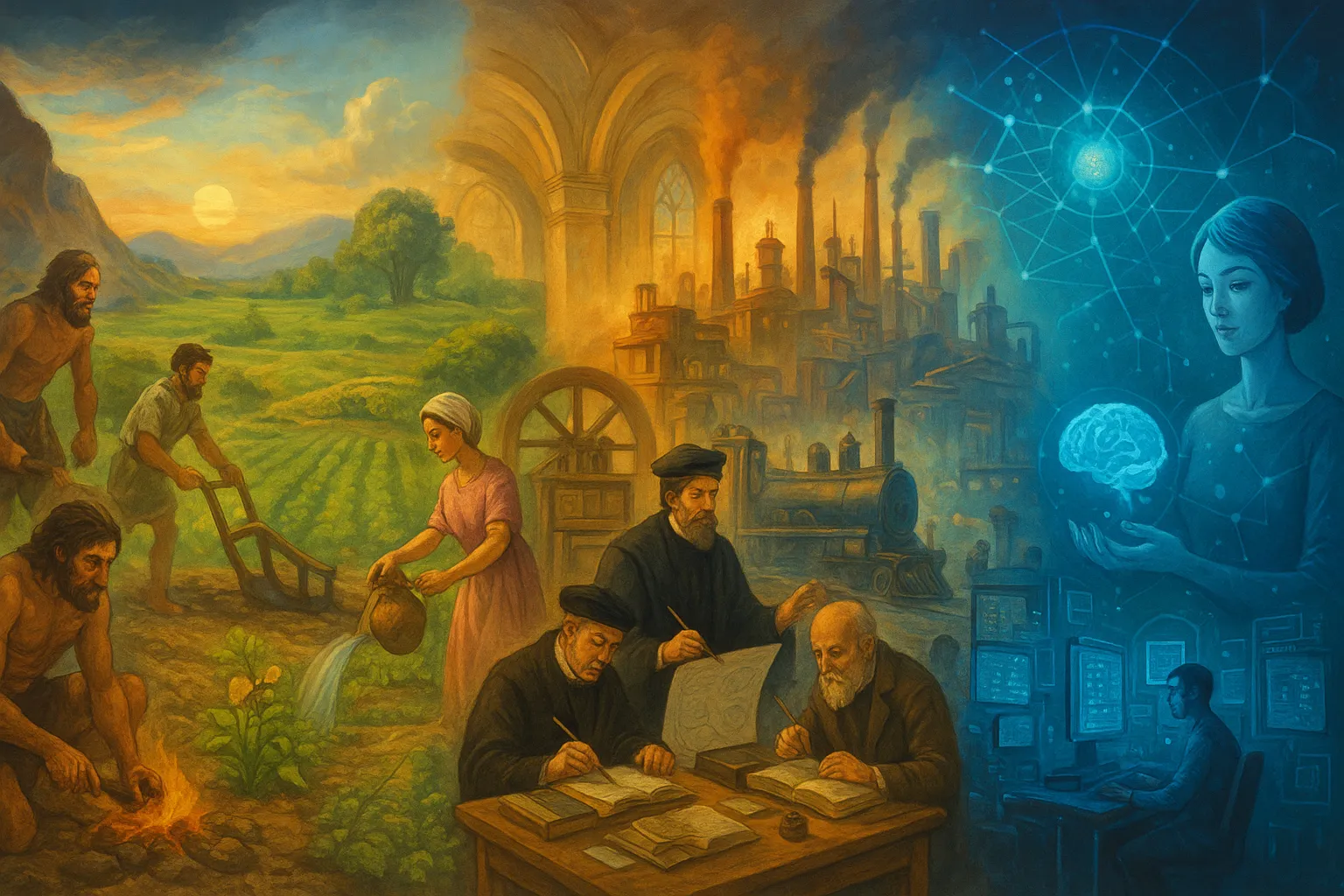
The history of technology is like a remarkable tapestry woven with human ingenuity, creativity, and relentless pursuit of progress. From the moment our ancestors picked up stones to craft tools, to today's sophisticated smartphones, every step in this journey tells a story about humanity's aspirations and challenges. But what drives this evolution, and how does it shape our lives? Let's explore.
The Dawn of Technology: Tools and Fire
Dating back over two million years, the earliest known technology emerged in the form of simple stone tools. Our ancestors learned to chip stones to create sharp edges that could cut and break, allowing them to hunt and gather more effectively. The mastery of fire shortly followed, providing warmth, protection, and a means to cook food, dramatically improving nutrition and safety.
This initial leap in technology set the foundation for future innovations. These tools were not just objects; they represented a significant shift in human capability and social organization. As tools evolved, so did the complexities of our lives, leading to collaboration, trade, and the formation of communities.
The Agricultural Revolution: Technology Meets Society
Fast forward to around 10,000 years ago, and we witness another monumental shift: the Agricultural Revolution. The invention of farming tools like the plow transformed societies, turning nomadic hunter-gatherers into settled farmers. This monumental change not only fed growing populations but also allowed individuals to specialize in different trades—craftsmanship, pottery, and yes, even technology itself.
This era saw the creation of irrigation systems and other technologies that would lay the groundwork for civilizations. From the wheel to writing, the innovations of this time reflect how technology began to intertwine with societal development, often escalating social structures and interactions.
The Scientific Enlightenment: A Technological Renaissance
The Renaissance period ushered in a wave of scientific discoveries, a blend of curiosity and empirical observation transforming how we understand the world. Innovations like the printing press changed the landscape of communication, revolutionizing information dissemination and literacy rates.
Further advancements in the 18th and 19th centuries, such as the steam engine, fundamentally transformed industry and transportation. Suddenly, the world felt smaller. Goods could travel faster, economies flourished, and the very fabric of society began to reshape due to industrialization and technological progress.
The Digital Age: A New Chapter Unfolds
The late 20th century introduced the digital revolution. The invention of the computer and the internet gave birth to a new age of connectivity and information exchange. Today, we stand amidst unprecedented access to knowledge and communication, allowing for a globalization that could hardly be imagined just a few decades ago.
However, with great power comes great responsibility. While technology has empowered us, it also poses challenges—privacy concerns, misinformation, and the digital divide. Are we controlling technology, or is it controlling us? The dialogue surrounding these issues is more critical than ever as we continue into the future.
The Future of Technology: Where Do We Go From Here?
As we look ahead, the rapid pace of technological advancement begs the question: What’s next? Will artificial intelligence evolve to a point where it rivals human intelligence? How will advancements in biotechnology impact our health and longevity? The possibilities seem limitless, yet they hold the potential for both incredible benefits and stark challenges.
In understanding our technological past, we can better navigate the future. Each leap forward has been about more than just progress; it has been about transforming how we interact with the world and each other. As technology continues to evolve, perhaps the greatest lesson from history is our ability to adapt and leverage these changes to enhance the human experience.
In conclusion, technology embodies our ingenuity, creativity, and will to survive and thrive. The question remains: how will we harness the technology of tomorrow to build a world that serves everyone effectively and ethically?




