
Fanxiety: The Hidden Weight of Anxious Fandoms and How to Manage It
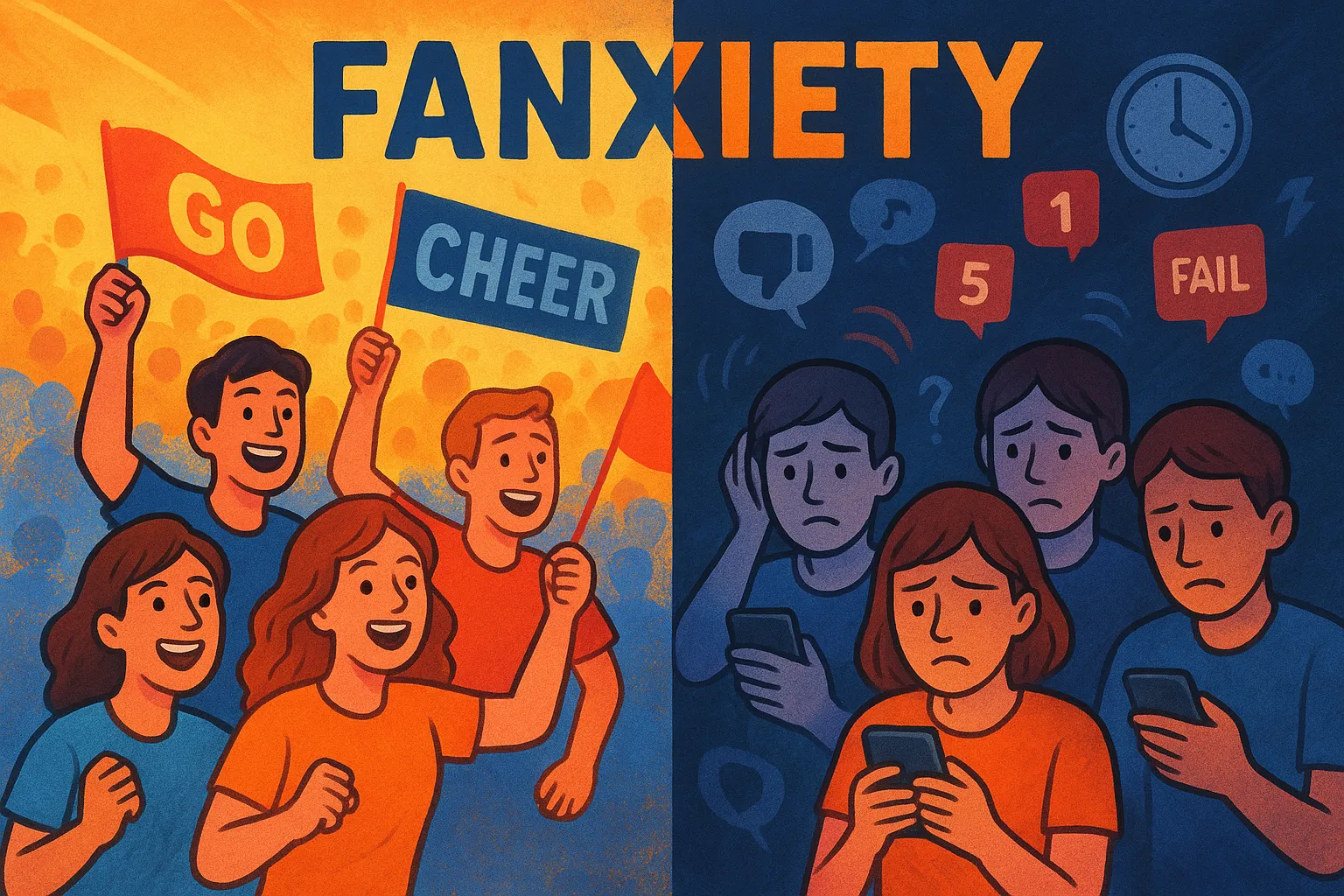
As passion fuels our favorite hobbies—from sports teams to movie franchises—it's easy to forget that being a fan can come with unexpected costs. Enter "fanxiety," a term that describes the unique stress and anxiety associated with being a devoted fan. When the stakes feel high, the emotional toll can be significant. This article explores what fanxiety is, why it affects so many of us, and, most importantly, how to manage it effectively.
What is Fanxiety?
Fanxiety is a blend of two words: "fan" and "anxiety." It encapsulates the feelings of stress and anxiousness that come from being a die-hard supporter. Whether you're worrying about your favorite sports team losing, the outcome of a movie's sequel, or how poorly a book adaptation may be received, your passion often morphs into pressure. Research suggests that intense fandom—especially in environments where public opinion is heavily expressed, like social media—can trigger anxiety levels similar to those found in more traditional forms of stress.
Why Fanxiety is So Common
In a world connected by digital platforms, fans are constantly exposed to opinions about their interests. Every loss, cancellation, or piece of disappointing news can feel personal, leading to a distorted sense of personal investment. A survey from the American Psychological Association found that 67% of fans reported feelings of anxiety related to fandom, linked to both peer expectations and the immense pressure of community involvement. When we invest our time and emotions into something, disappointment can sting much more than it would in mere casual interest.
Identifying Your Triggers
To manage fanxiety effectively, it’s crucial to recognize what specifically triggers your feelings of stress. Do you feel anxious before a match or a movie release? Are you particularly sensitive to negative feedback or controversies surrounding your fandom? Keeping a journal can help track these emotions and pinpoint your triggers. Understanding these patterns enables you to approach them more effectively when they arise.
Practical Strategies for Managing Fanxiety
Managing fanxiety requires a mix of emotional intelligence and practical tools. Here are a few strategies to consider:
- Mindfulness Practice: Engage in mindfulness exercises such as meditation or deep-breathing techniques. These can help calm your mind and reduce anxiety before significant events.
- Set Healthy Boundaries: Limit your exposure to negative comments or heated discussions online. Social media can amplify fan-related stress, so consider curating your feeds to include only constructive, relatable voices.
- Engage in Positive Discussions: Surround yourself with fellow fans who celebrate rather than criticize. Creating or joining supportive fan communities can enhance your enjoyment and lessen feelings of anxiety.
- Focus on What You Can Control: Remember, you can’t control the outcome of a game or the quality of a film. Redirect your energy towards what you can influence—your own participation and enjoyment within the fandom.
- Seek Professional Help: If your anxiety becomes overwhelming, consider talking to a mental health professional. They can provide tailored strategies to help you cope with specific challenges associated with your fandom.
Conclusion: Embrace the Joy of Fandom
Fandom should bring joy and connection, not stress and anxiety. By recognizing the impact of fanxiety and employing effective management strategies, you can rekindle the excitement of being a fan without the emotional burden. Remember, it’s perfectly normal to feel anxious about something you care deeply about, but it’s equally essential to prioritize your mental well-being. Embrace your passions, celebrate your love for them, but don’t let them overshadow the joy they were meant to bring!




