
Diving into the Abyss: The Astonishing Secrets of Deep-Sea Exploration
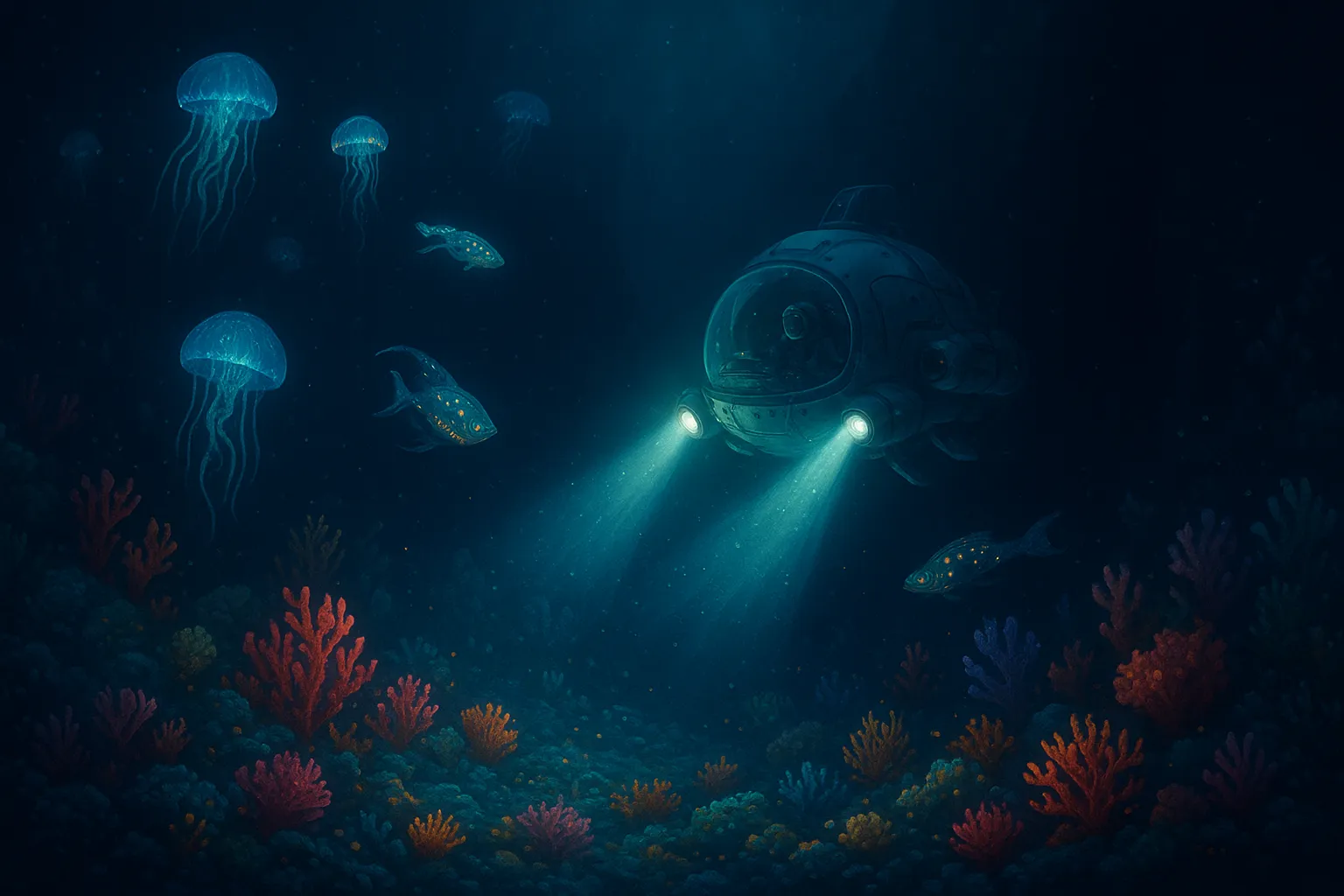
When we think of exploration, our minds often drift to distant planets or uncharted territories on land. However, the greatest mysteries lie just beneath the surface of our oceans. Almost 80% of the world's oceans remain unexplored, teeming with life forms and secrets that could revolutionize our understanding of biology, climate change, and even medicine. This article delves into the thrilling world of deep-sea exploration, unveiling the treasures and challenges that lie beneath the waves.
The Last Frontier on Earth
While astronauts have wandered the moon and drones have flown across Mars, the depths of our oceans represent the last frontier on our own planet. The average depth of the ocean is around 12,080 feet (3,682 meters), and the deepest part, the Mariana Trench, plunges into the abyss at about 36,000 feet (10,972 meters). At these depths, pressure is intense, light vanishes, and temperatures can plummet to near freezing. Despite this harsh environment, life persists in astonishing forms, from bioluminescent creatures to gigantic squids, prompting scientists to ask: what else is out there?
The Technology Behind Exploration
Advancements in technology play a crucial role in deep-sea exploration. Submersibles like the DSV Alvin and remotely operated vehicles (ROVs) such as the Jason are equipped with high-definition cameras and robotic arms, enabling researchers to capture images and gather samples from the ocean floor. For instance, in 2019, the first-ever footage of a giant squid in its natural habitat was captured using sophisticated deep-sea technology, providing insights into its behavior and ecology.
Discoveries that Change Everything
The wonders uncovered during deep-sea missions often come with groundbreaking implications. Researchers have discovered unique ecosystems, like hydrothermal vents, which harbor unknown life forms that thrive in extreme conditions. These organisms have adapted in ways that challenge our understanding of biology and evolution. Moreover, the potential for discovering new medicines is tantalizing. Some of the chemical compounds found in deep-sea creatures have shown promise in treating diseases like cancer and bacterial infections.
Climate Change and the Ocean's Role
Exploring the deep sea is not just about uncovering mysteries; it’s a vital aspect of understanding climate change. The ocean absorbs about 30% of the carbon dioxide emitted into the atmosphere, impacting marine life and ecosystems. By studying oceanic conditions, scientists can better predict climate trends and develop strategies for mitigation. This information is invaluable, as it helps policymakers make informed decisions for our planet's future.
Challenges and Conservation
Despite the excitement surrounding deep-sea exploration, significant challenges remain. Funding for deep-sea missions can be scarce, and the technology required is often expensive and delicate. Furthermore, the potential for deep-sea mining and exploitation poses serious threats to these fragile ecosystems. Ensuring that these underwater realms are protected while exploring them is a constant balancing act for researchers and conservationists alike.
The Future of Deep-Sea Exploration
As we look forward, the future of deep-sea exploration appears promising. With advances in autonomous technology, artificial intelligence, and improved research methods, we stand on the brink of a new era in ocean discovery. Universities, government agencies, and private companies are increasingly investing in ocean research, signaling a collective recognition of the importance of our oceans. In the coming years, we will likely uncover countless new species and untold ecosystems that will redefine our understanding of life itself.
Diving into the depths of our oceans may seem daunting, but the rewards are immeasurable. Each expedition not only advances science but also inspires a sense of wonder—a reminder of how much we have yet to learn about our Earth and the vast, mysterious waters that cover it. So, as we continue to explore the final frontier on our planet, we are not just discovering the ocean's secrets; we are discovering our own humanity in the process.




