
Diving Deep: The Surprising Role of Marine Biology in Your Everyday Life
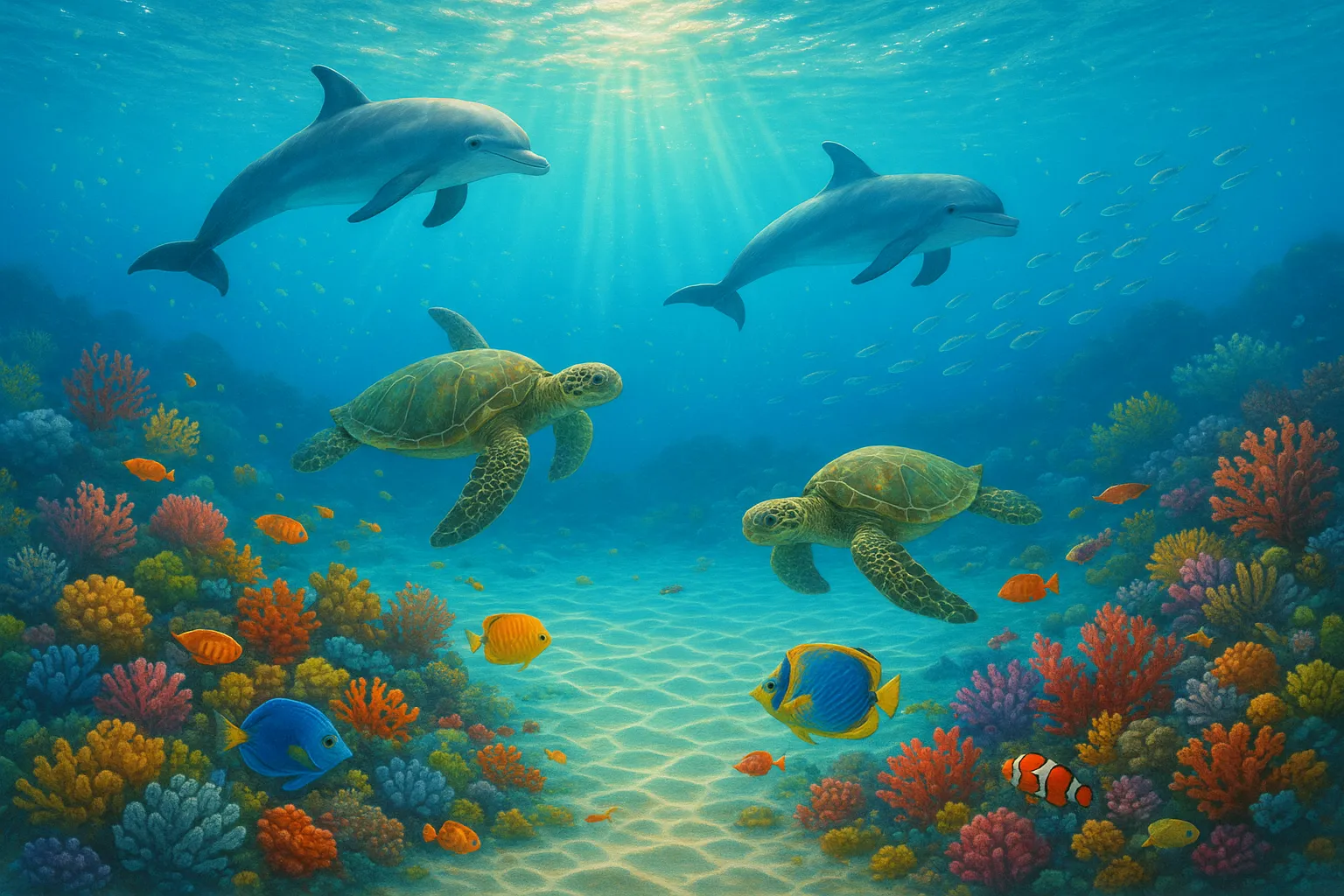
When you think of marine biology, you might picture scientists in lab coats studying colorful fish or mysterious sea creatures. While that’s certainly a part of it, marine biology holds a more profound significance that impacts each of us—whether we realize it or not. From the air we breathe to the food we eat, the oceans play a crucial role in maintaining our planet's health. So, let’s take a plunge into the fascinating world of marine biology and discover its unexpected relevance in our daily lives.
The Ocean: Our Planet's Life Support System
Oceans cover more than 70% of our planet, and they are often referred to as Earth's life support system. They absorb about 30% of the carbon dioxide (CO2) released into the atmosphere, helping to regulate the global climate. This natural process alleviates climate change effects and protects ecosystems. But what's more astonishing is that marine plants, particularly phytoplankton, are responsible for producing over half of the oxygen we breathe! In light of this, our connection to the seas is more immediate than many realize.
The Hidden Economy Beneath the Waves
Marine biology isn't just about scientific inquiry; it’s also tied to our economy. The fishing industry, for example, supports millions of livelihoods worldwide. However, overfishing and habitat destruction threaten this economic lifeblood. Understanding marine ecosystems is crucial for sustainable fishing practices. Through policies informed by marine biology, we can ensure both the health of fish populations and the continued viability of fishing as a source of food and income for communities.
Medicinal Treasures of the Sea
The oceans are like a treasure trove filled with potential cures for ailments. Marine organisms have been found to possess unique compounds that can lead to groundbreaking medical treatments. For instance, ingredients from deep-sea sponges and corals are being researched for their anti-cancer properties. By preserving biodiversity in our oceans, we may unlock secrets that can advance our health care systems dramatically.
Preserving Marine Life: A Shared Responsibility
As we become increasingly aware of our oceans' importance, it is evident that we all have a role to play in their conservation. Individual actions—such as reducing plastic waste, supporting sustainable seafood, and advocating for marine protected areas—can help safeguard marine environments. The fight for our oceans is not just for marine biologists to lead; it requires a collective effort to ensure future generations can experience the wonders beneath the waves.
Conclusion: Embracing the Ocean's Influence
In conclusion, marine biology encompasses far more than meets the eye. Its findings permeate our environment, economy, health, and even our daily choices. Embracing an understanding of marine ecosystems enriches our appreciation of the world around us and underscores the urgent need to protect it. So next time you admire a beautiful beach or savor seafood, remember: the ocean is not just a backdrop to our lives; it is a critical player in our survival. Dive into its mysteries, and you just might find a deeper connection with our planet.




