Cultural Anthropology: The Mirror That Reflects Our Global Humanity
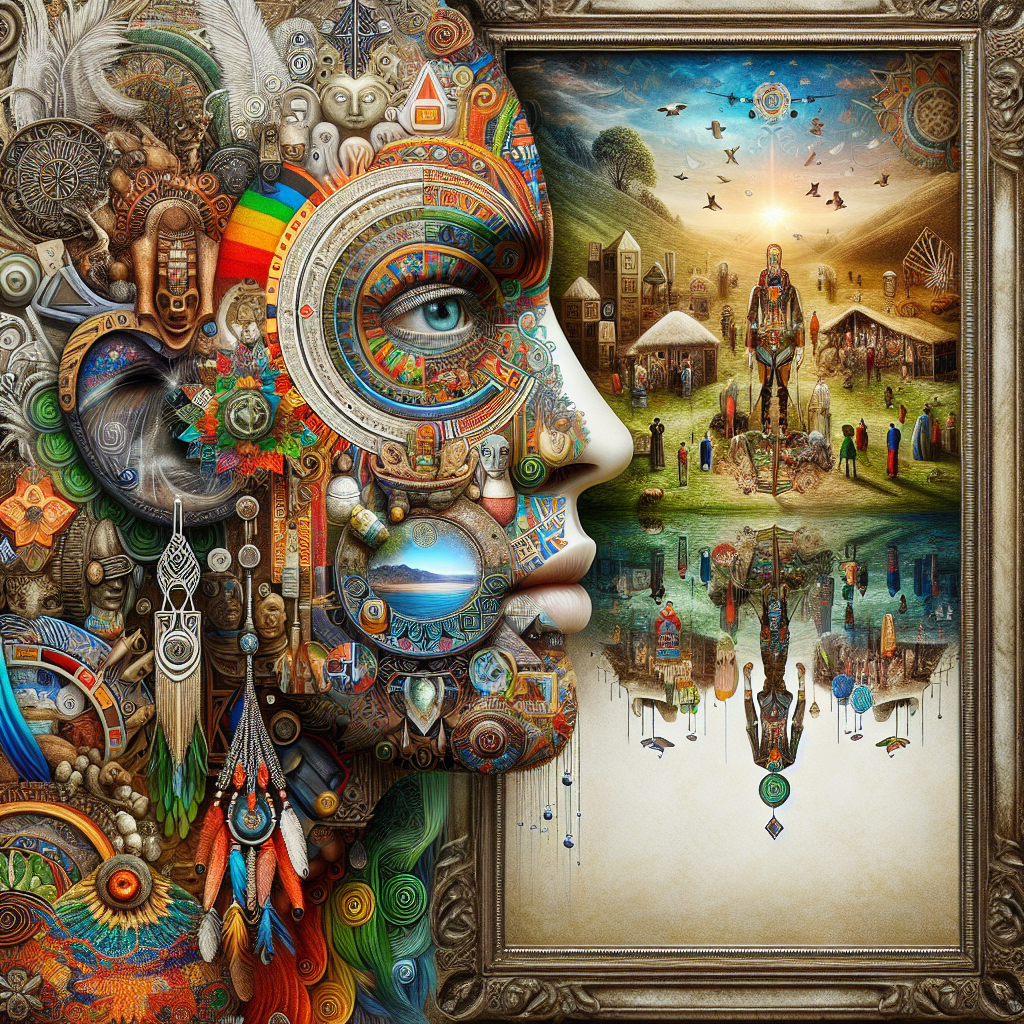
Imagine looking into a mirror that not only reflects your face but also reveals the hidden stories, values, and traditions of your ancestors. This is the essence of cultural anthropology—a discipline that dives deep into the rich tapestry of human societies, exploring how culture shapes our identities and interactions. With our world becoming increasingly interconnected, understanding cultural anthropology has never been more crucial.
What is Cultural Anthropology?
Cultural anthropology is the study of cultural variations among humans. It seeks to understand the complex web of social norms, rituals, and practices that define human existence. By observing and participating in different cultures, anthropologists gather insights into how people live, communicate, and relate to one another. Unlike other social sciences, cultural anthropology emphasizes immersive fieldwork, where researchers often live in the communities they study, gaining firsthand experience of the culture.
Why Should You Care About Cultural Anthropology?
In a world faced with globalization and cultural blending, cultural anthropology serves as a vital tool for fostering empathy and understanding. As we encounter diverse cultures—whether through travel, food, or online interactions—it’s essential to appreciate the underlying beliefs and histories that shape these experiences. For instance, understanding the rituals of a South American tribe can enrich our perception of family values and communal living, contrasting them with our own cultural frameworks.
Key Findings That May Surprise You
One of the most striking aspects of cultural anthropology is the discovery of the immense diversity of human beliefs and practices. Did you know that some cultures perceive time quite differently from the Western linear view? For instance, in many Indigenous communities, time is seen as cyclical, emphasizing the interconnectedness of past, present, and future. This view can profoundly influence life decisions, reinforcing the importance of tradition over individualism.
Applications of Cultural Anthropology in Today's World
Cultural anthropology is not just an academic pursuit; it has practical applications in various fields such as business, healthcare, and education. Companies extracting cultural insights from anthropological research can create products that resonate better with consumers’ values and preferences. Similarly, healthcare professionals who understand cultural contexts can provide more effective care by respecting patients’ beliefs and practices.
The Future of Cultural Anthropology
As we move forward in a rapidly changing world, the role of cultural anthropology will only grow in significance. With ongoing discussions about social justice, migration, and technology’s impact on culture, understanding the dynamics at play will be essential. In a time when cultural conflicts are prevalent, exploring our shared humanity through the lens of anthropology may hold the key to building bridges across divides.
In conclusion, cultural anthropology acts as a vital resource that encourages us to look beyond our own perspectives. By learning from different cultures, we not only enrich our own lives but also contribute to a more harmonious global community. So, the next time you encounter a new culture, remember: it’s not just about the differences; it’s about the shared stories that bind us all together.

