
Climate Science Revelations: Why What You Thought You Knew Could Be All Wrong!
The science of climate change is often simplified into either doom-laden narratives or over-optimistic tech dreams, but the reality is far more nuanced. Many people feel overwhelmed by the complexity of climate science, yet understanding the fundamentals can empower individuals and communities to take action. This article aims to demystify climate science, revealing its secrets and why it matters to every one of us.
What Is Climate Science?
At its core, climate science studies weather patterns over long periods, typically 30 years or more. Unlike weather forecasts, which predict short-term atmospheric conditions, climate science encompasses broader changes that affect ecosystems, economies, and societies. Scientists investigate how human activities, like burning fossil fuels and deforestation, alter natural systems and drive global temperatures up. Importantly, it's not just about the “greenhouse effect” but also how we adapt to and mitigate these changes.
The Climate Crisis: More Than Just Temperature Rise
When most of us think about climate change, we picture temperatures rising, but there’s much more at stake. Increased temperatures lead to severe consequences—think extreme weather events, sea-level rise, and shifts in biodiversity. For instance, the Intergovernmental Panel on Climate Change (IPCC) projects that if current trends continue, we could face a significant increase in global temperatures, leading to catastrophic weather events that can affect food security, water supply, and human health. The implication here is profound: our everyday choices ripple through the planet's climate system.
Empowering Communities: The Role of Climate Science in Action
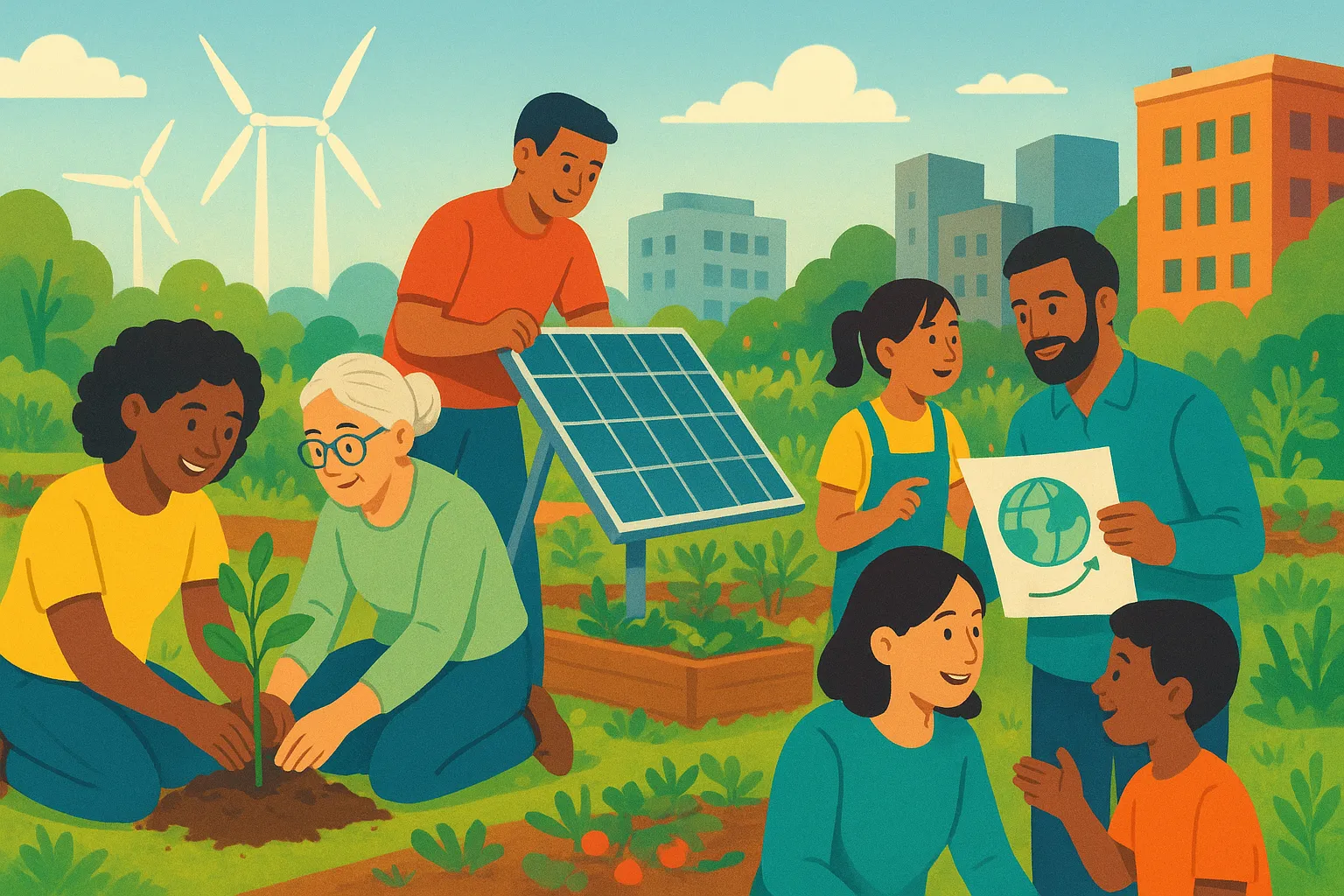
So, where do we fit into this climate narrative? Understanding climate science can empower individuals to advocate for sustainable practices in their own communities. Knowledge can spark local initiatives from renewable energy adoption to urban greening projects, which significantly mitigate climate change impacts. Grassroots movements have proven effective, engaging citizens, businesses, and policymakers alike. For instance, cities like Copenhagen and San Francisco are leading the way in reducing their carbon footprints through community-led action and innovative policies.
Why Your Voice Matters in Climate Science
One of the most critical takeaways from climate science is that public engagement and policy advocacy are key to addressing the crisis. Every individual has a voice; you can influence conversations around climate issues by staying informed and sharing knowledge within your networks. Whether it’s through social media, local activism, or supporting climate-friendly initiatives, your contributions can amplify critical messages that lead to substantial changes.
Conclusion: The Power of Understanding
It’s easy to feel disheartened in the face of climate change, but understanding climate science equips us with the tools we need to effect change. From reducing emissions to fostering community resilience, knowledge fosters empowerment. As we uncover the hidden layers of climate science, we become not only better informed but also active participants in the narrative of our planet's future. Together, let’s reshape the conversation and act towards a sustainable tomorrow.




