
Charting New Worlds: The Incredible Legacy of the Age of Exploration
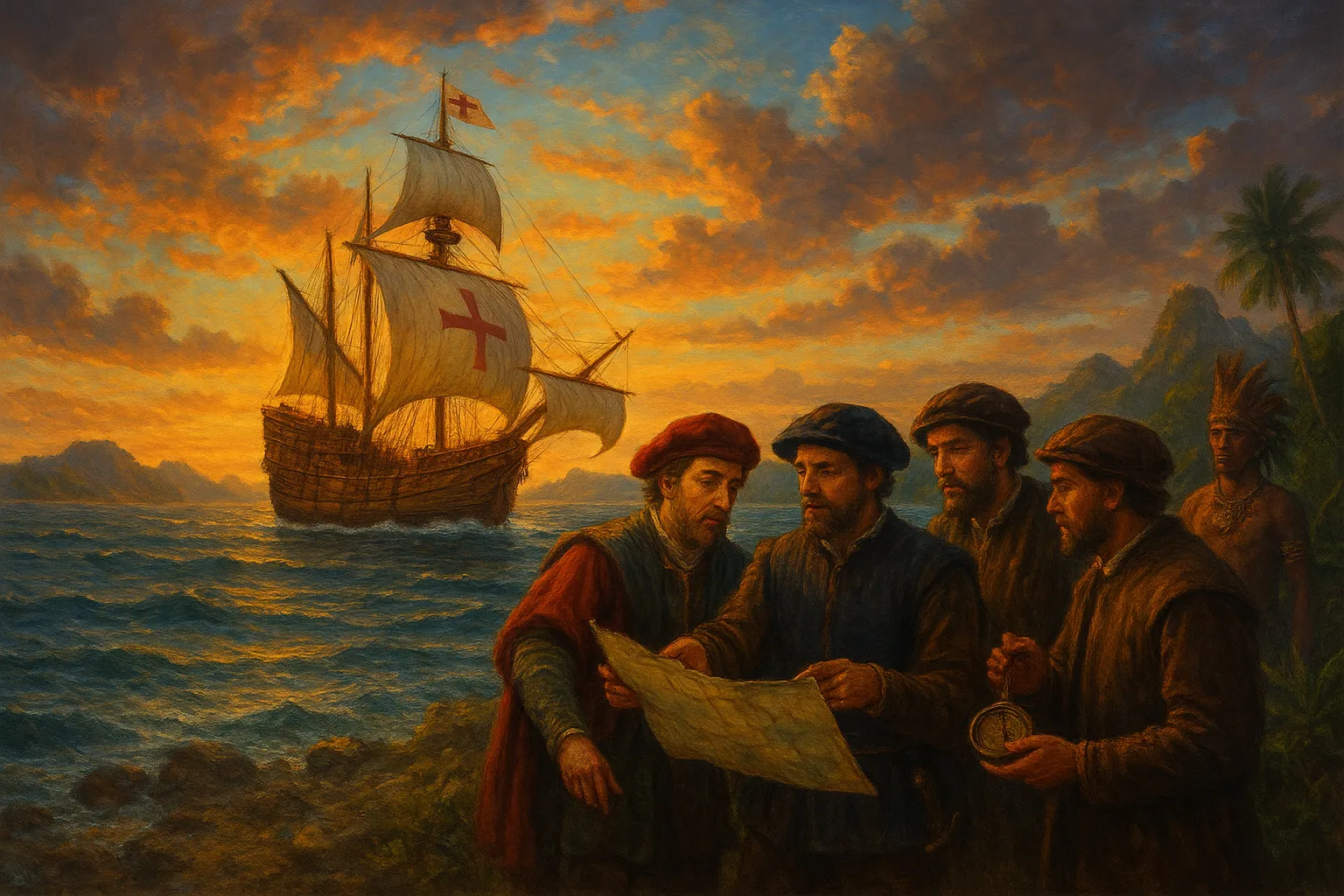
The Age of Exploration, spanning roughly from the 15th to the 17th century, remains one of history's most transformative periods. As adventurers set sail across uncharted waters, they not only expanded the world's geographical boundaries but also altered the course of human development. This title may evoke romantic notions of brave navigators and extraordinary discoveries, but it also invites us to examine a complex legacy filled with both enlightenment and exploitation.
The Catalysts Behind the Curiosity
What compelled ordinary individuals to become explorers? A combination of factors fueled this fiery curiosity. European nations like Spain and Portugal, eager for new trade routes and resources, funded expeditions led by bold figures such as Christopher Columbus and Vasco da Gama. These explorers sought silk and spices, treasures that would bring immense wealth and power to their home countries. However, their quests often stumbled into lands inhabited by indigenous peoples, whose lives were forever altered by the arrival of these foreign adventurers.
The Controversial Impact on Civilizations
While the Age of Exploration led to remarkable discoveries—like the Americas, new trade routes, and previously unheard-of cultures—it also resulted in tragic consequences. Many indigenous populations found themselves facing disease, displacement, and colonization. The introduction of European goods, religion, and even governance systems upended traditional ways of life, leading to cultural erosion. Indeed, this era represents both the triumph of human spirit and the trials faced by those subjected to imperial ambition.
The Legacy That Shapes Our Modern World
Fast forward to our present day, and the impacts of the Age of Exploration are profound. The networks established by explorers laid the groundwork for globalization, connecting continents like never before. Cultures blended in extraordinary ways, birthing new traditions and innovations. However, we must also confront the uncomfortable truths of exploitation and inequality that arose. Awareness of this complex history is essential as we navigate our interconnected world today.
A Call to Reflect on Exploration Today
As we celebrate the human endeavor to explore, it is crucial to remember the lessons of the past. Current advances in technology and travel have again expanded our horizons. Yet, we must be conscious of their implications for global inequality. Promoting sustainable exploration—one that respects cultures and the environment—is imperative. By understanding the legacy of the Age of Exploration, we can ensure that our future discoveries contribute positively to humanity.




