
Charting New Waters: How the Age of Exploration Reshaped Our World
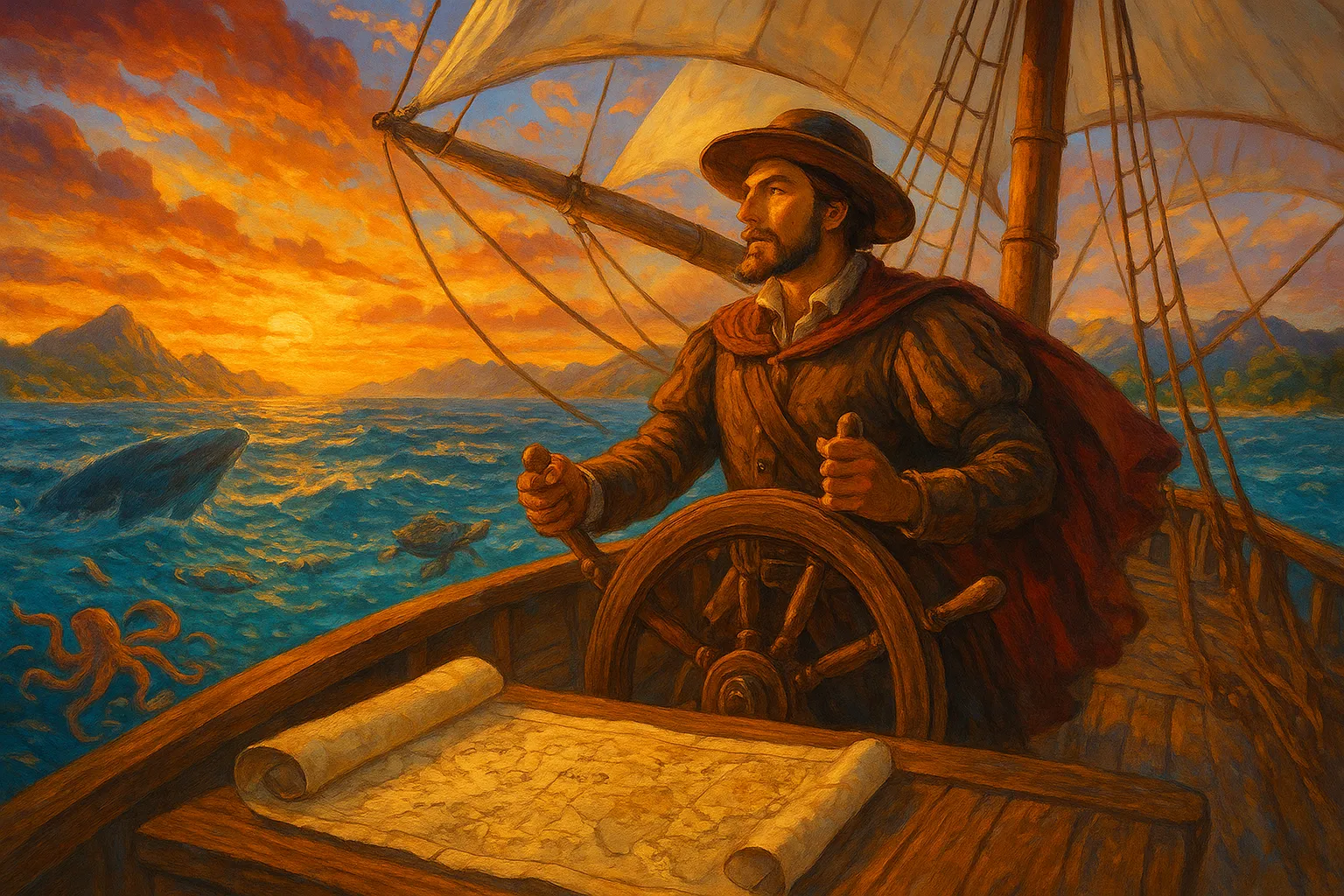
Imagine a time when the edges of the known world were shrouded in mystery, and a simple map could change your destiny. The Age of Exploration, spanning from the 15th to the 17th centuries, stands as a remarkable chapter in human history where courage and curiosity collided, leading to discoveries that would forever alter our societal landscape. But beyond the thrill of discovery and conquest, what genuine impact did this era have on our global community? Join me as we navigate through the waves of this transformative period.
The Quest for New Routes
The Age of Exploration was largely driven by the pursuit of new trade routes. European nations sought direct access to the spice-rich East Indies, which were previously dominated by land-based trade networks. This led to the epic voyages of explorers like Christopher Columbus, who famously set sail in 1492, inadvertently “discovering” the Americas for Europe. The allure of riches and the promise of uncharted territories fueled these voyages, but underlying this quest was an insatiable desire for knowledge.
Cultural Exchanges and Their Consequences
With new lands came new peoples and cultures. The interactions between explorers and indigenous populations often resulted in significant cultural exchanges. However, this was not without its darker side; many indigenous groups faced displacement, violence, and diseases that decimated their populations. For instance, the arrival of Europeans in the Americas led to the spread of smallpox, wiping out as much as 90% of some communities. Despite these tragic consequences, the Age of Exploration also enabled the sharing of ideas, technology, and agricultural products, leading to a global network of exchange that shaped modern civilization.
Mapping the World: Literally and Figuratively
The advancements in cartography during this period cannot be understated. The creation of accurate maps not only aided navigators but also influenced the public perception of the world. The Ptolemaic maps of the past were updated to reflect new discoveries, leading to a more comprehensive understanding of geography. This was crucial for future exploration, trade, and even colonial ventures, as nations began to stake claims to distant lands based on these newly drawn lines.
Modern Parallels: Are We Still Exploring?
Fast forward to the 21st century—are we still in an age of exploration? In many ways, yes! While we may no longer be sailing on wooden ships seeking treasure, we are conquering the final frontier of space, diving deep into our oceans, and exploring the human genome. This modern exploration continues to reshape our understanding of the world and ourselves. However, we must also learn from the past, ensuring that our advances are matched with responsibility and respect for cultures and environments.
Conclusion: A Legacy of Adventure and Awareness
The Age of Exploration was more than just a quest for riches; it was about the human spirit's quest for knowledge. It taught us that our world is vast, diverse, and interconnected. As we embrace modern explorations—be it through science, technology, or cultural connections—let’s carry with us not just a thirst for discovery, but also a commitment to ethical engagement and reverence for the stories of those who traveled before us.




