
Can You Trust What You See? The Surprising World of Computer Graphics Revealed!
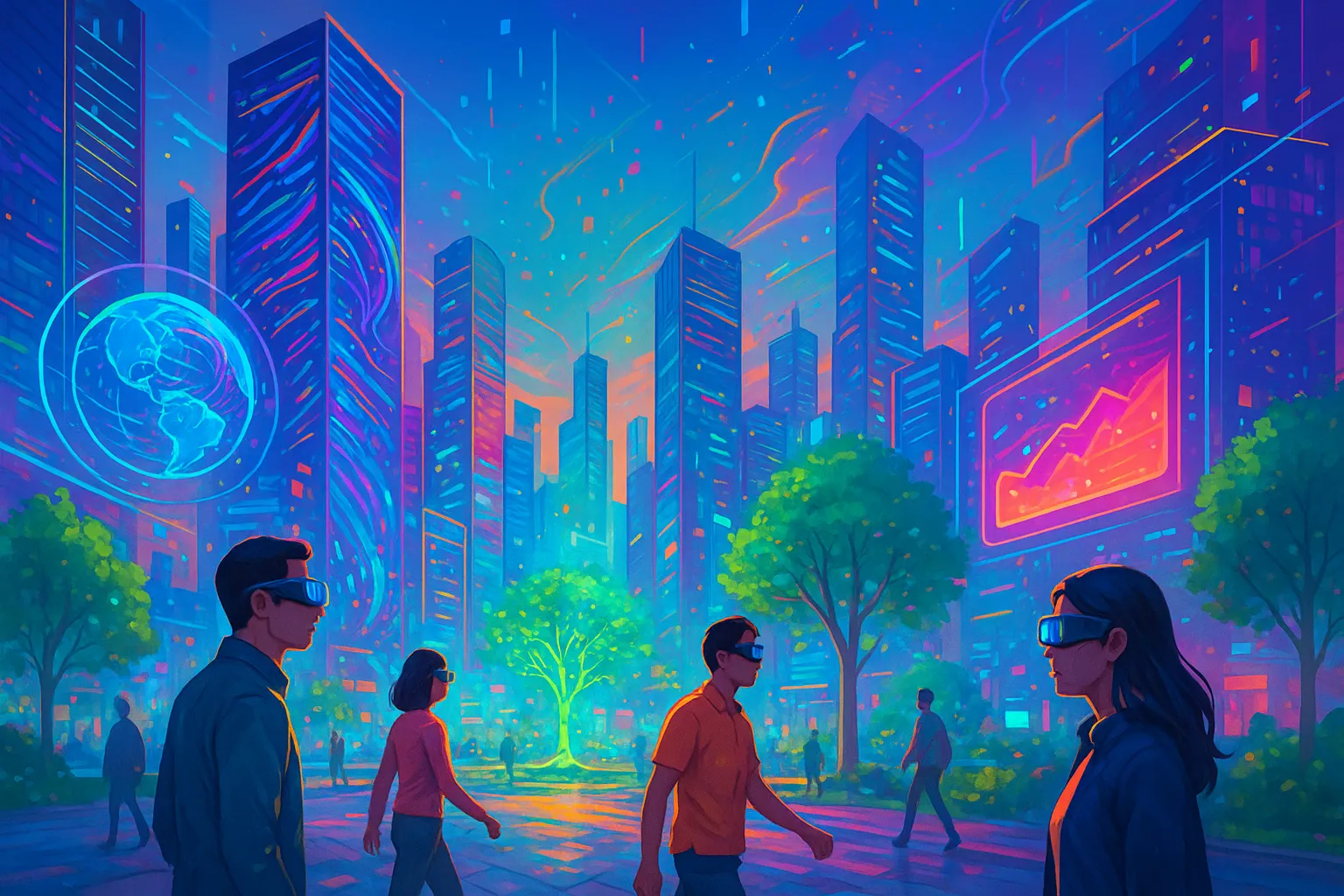
In today's digital age, the line between reality and virtuality is becoming increasingly blurred, thanks to the incredible advancements in computer graphics. From the mesmerizing visuals of blockbuster movies to the lifelike images in video games, computer graphics play a crucial role in our daily lives, often without us even realizing it. So how exactly do these stunning visuals work, and what does it mean for us as consumers and creators?
The Magic Behind the Screen
At its core, computer graphics is the manipulation and representation of visual images generated by computers. Essentially, it's the art and science of creating pictures using a computer. While it may sound highly technical, the principles behind it can be explained quite simply. Imagine painting a picture on a blank canvas — artists combine colors, shapes, and textures to create something beautiful. Similarly, computer graphics artists use software to create and assemble images on digital canvases.
More Than Just Pretty Pictures
You might be surprised to know that computer graphics are not just about aesthetics. They have practical applications that stretch far beyond entertainment. For instance, in medicine, 3D graphics are used to create detailed images of organs, helping doctors visualize complex surgeries before they operate. In architecture, virtual reality (VR) modeling allows architects and clients to walk through buildings before they are constructed. This helps not only in refining designs but also in making more informed decisions.
Innovations that Redefine Reality
One of the most exciting developments in computer graphics is the rise of augmented reality (AR) and virtual reality (VR). These technologies create immersive experiences that transport users to different worlds or enable them to interact with digital elements superimposed on the real world. For example, AR is used in applications like Google Lens, which can identify objects and provide information about them instantly. On the other hand, VR offers a completely immersive experience, making it possible to explore fantasy realms or even walk on Mars—all from the comfort of your living room.
The Ethics of Realism
With great power comes great responsibility. As computer graphics continue to evolve, ethical considerations surrounding their use are becoming increasingly important. The ability to create hyper-realistic images raises questions about misinformation and deception. Deepfakes—a form of artificial intelligence that generates convincing visual and audio content—can manipulate reality, leading to potentially harmful consequences, such as the spread of fake news or the misuse of a person's likeness.
A Glimpse into the Future
The future of computer graphics is brimming with possibilities. As technology continues to improve, we may see even more realistic simulations in gaming, visualization, and various industries. The rise of AI in graphics creation also presents exciting opportunities. Imagine software that could generate lifelike characters with unique personalities or environments that change in real-time based on your actions!
Conclusion: Embrace the Visual Revolution
As consumers, it's essential to embrace the visual revolution while staying informed about the underlying technologies that shape our experiences. Understanding computer graphics enhances our appreciation for the artistry involved and the practical applications that influence our everyday lives. So the next time you find yourself captivated by vibrant visuals, remember that behind every stunning image lies a world of creativity, innovation, and ethical consideration.




