Beyond the Likes: How Social Media is Reshaping Our Realities and Relationships
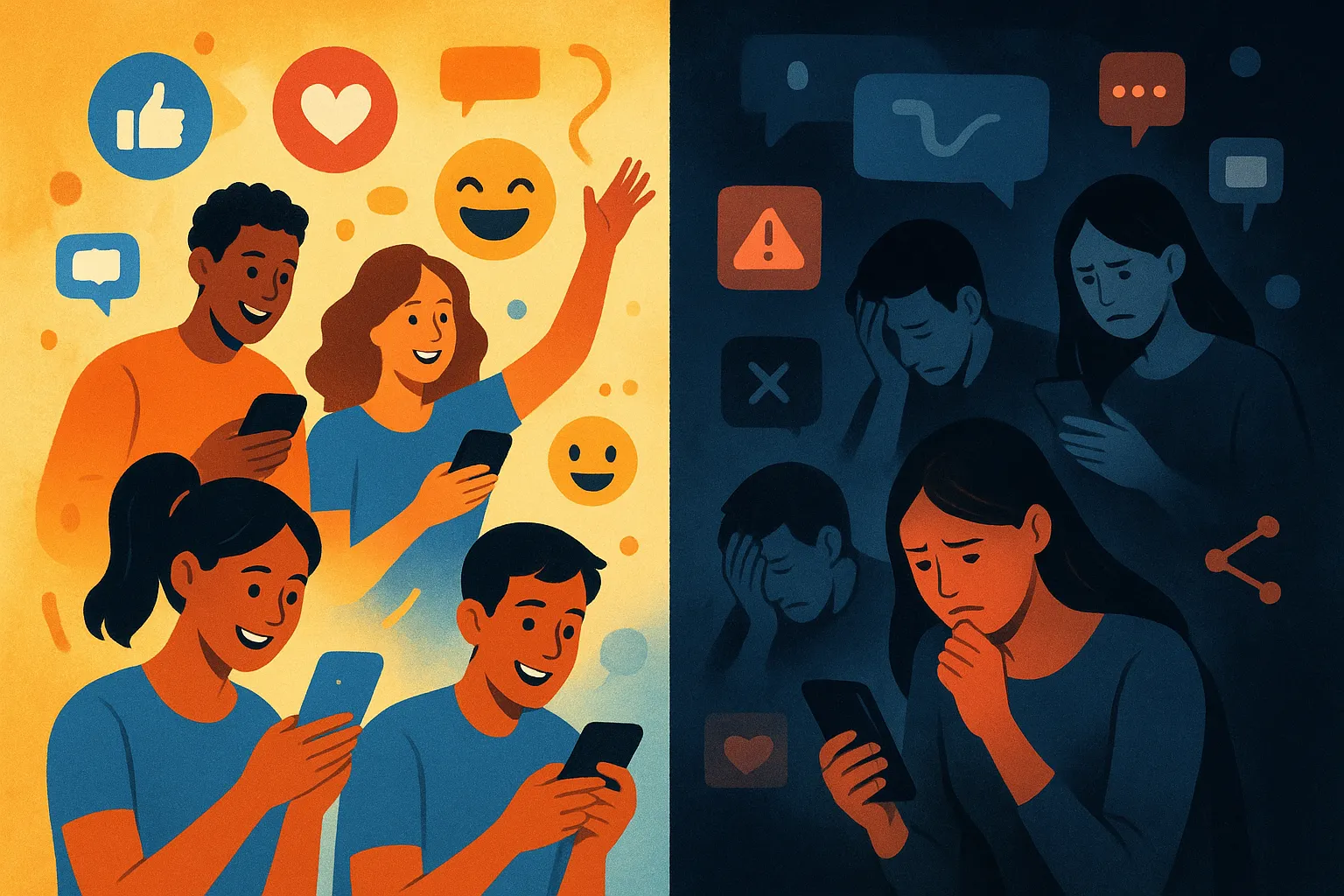
In the age of smartphones and high-speed internet, social media has woven itself into the fabric of our daily lives. The once-simple act of sharing photos with friends has morphed into a multi-billion dollar industry that shapes opinions, alters behaviors, and even influences democracy. But what are the true impacts of this digital socialization? Let’s explore the complexities of social media and its profound effects on our lives.
The Double-Edged Sword of Connection
On one hand, social media platforms like Facebook, Twitter, and Instagram have redefined how we connect with each other. No longer bound by geographic limitations, friendships are now maintained through likes, comments, and shares. This newfound connectivity offers a sense of belonging, especially for marginalized groups. For example, LGBTQ+ individuals can find communities where they might feel isolated in their local environments.
However, this same connectivity can yield adverse effects. Studies show that excessive use of social media can lead to feelings of loneliness and depression. The curated nature of online personas often distorts reality, making individuals feel inferior or inadequate by comparison. The 'highlight reel' effect can detract from authentic interactions, ultimately worsening mental health.
The Influence on Information and Awareness
Social media serves as a powerful tool for disseminating information quickly. During crises, such as natural disasters or political events, platforms have proven invaluable for real-time updates. This capability empowers individuals to stay informed and mobilize for social causes, as seen in movements like Black Lives Matter and the Arab Spring.
Yet, the same platforms that provide news also enable the spread of misinformation. A single misleading post can go viral, significantly impacting public perception and behavior. For instance, false information regarding health recommendations can lead to dangerous consequences, as seen during the COVID-19 pandemic. The challenge remains: how to discern fact from fiction in a sea of digital noise.
The Economic Impact of Social Media
Economically, social media has redefined advertising and consumer behavior. Brands leverage platforms for targeted advertising, utilizing algorithms to reach specific demographics. This precision can yield impressive results for businesses, particularly small enterprises that rely on social media for growth.
On the flip side, the pervasive nature of advertising can lead to consumer fatigue. Users often feel overwhelmed by ads, prompting a backlash against constant marketing. Additionally, ethical concerns arise when considering how personal data is used to build marketing strategies, raising questions about privacy and consent.
Looking Forward: The Future of Social Media
As social media continues to evolve, it is crucial to cultivate a culture of responsible use. Promoting digital literacy can empower users to navigate social media's complexities more effectively. Awareness campaigns about misinformation and mental health resources will also play a pivotal role in mitigating negative impacts.
While we can’t rewind the clock to a pre-social media era, we can strive to be mindful consumers of the digital content that fills our feeds every day. The future hinges not just on technological advancements, but on our ability to foster genuine connections and protect our mental well-being in an increasingly connected world.