Beyond the Lens: How Cinematography Shapes Your Favorite Films and Movies
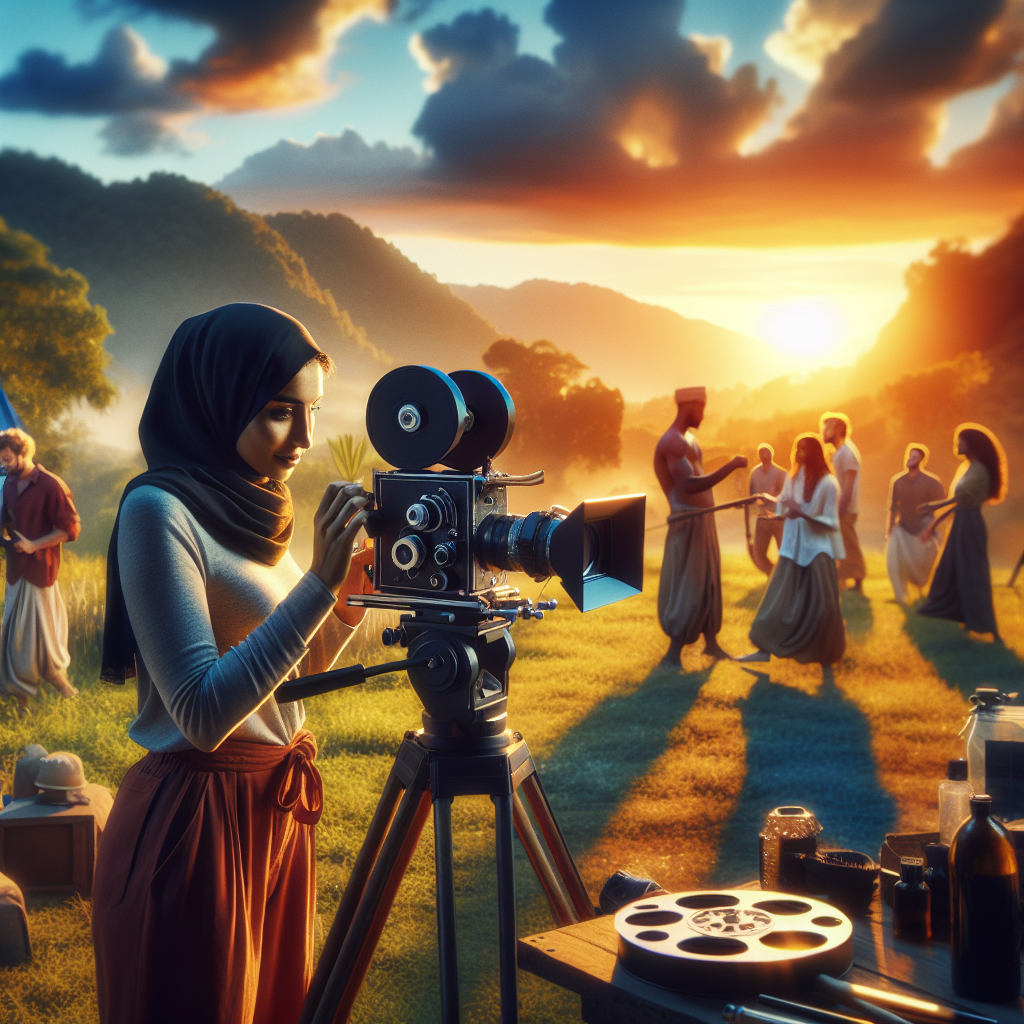
Cinematography is often described as the art of capturing moving images, but it goes far beyond simply pointing a camera and hitting record. It’s a complex interplay of visual storytelling that can evoke emotions, set the tone, and create an immersive experience for viewers. In this article, we’ll explore the fascinating world of cinematography, demystifying its techniques and importance, and offering insights into how it impacts the films we love.
The Magic of Visual Storytelling
At its core, cinematography is about visual storytelling. Cinematographers, also known as directors of photography, work closely with directors to bring a film's vision to life. They make crucial decisions about lighting, camera angles, shot composition, and color palettes that impeccably frame the narrative. Have you ever wondered why a romantic scene flickers with soft, warm light while an intense action sequence is lit with harsh, cold tones? These choices are not random; they are intentional decisions made to evoke specific emotions within the audience.
Understanding the Tools of the Trade
Cinematographers rely on a variety of tools to accomplish their vision. The camera is, of course, the most essential tool, but it’s not just any camera that does the job. Different types of cameras, lenses, and equipment can significantly affect the final product. For instance, a wide-angle lens can create a feeling of vastness, making landscapes look more expansive, while a telephoto lens compresses distance, drawing viewers’ attention to specific subjects. Understanding these tools helps us appreciate the art behind our favorite movies.
Color and Lighting: The Unsung Heroes
Color and lighting are two of the most powerful aspects of cinematography that often go unnoticed by mainstream audiences. Color grading, for instance, is the process of altering the color of the footage to evoke certain feelings. A classic example can be found in the film "The Matrix," where the green tint helps create a sense of otherworldliness. Similarly, lighting sets the mood; low-key lighting can create suspense, while high-key lighting brings a more cheerful, open feel. These subtle details work hand-in-hand with narrative to pull us into the story.
The Rise of Technology: Digital vs. Film
Technology has transformed the world of cinematography, particularly with the rise of digital filmmaking. Many blockbusters today are shot digitally rather than on traditional film, offering directors more flexibility and efficiency in production. However, this shift has sparked debates among film purists who argue that film has a warmth and richness that digital cannot replicate. Though both mediums have their merits, what remains consistent is the cinematographer's role in using these tools to tell a story effectively.
Conclusion: The Cinematic Experience
In conclusion, cinematography is an integral component of filmmaking that enhances our viewing experience. It is a blend of art and technology, crafting visual narratives that guide our emotions and immerse us in the stories we cherish. With an understanding of its principles and techniques, we can gain a deeper appreciation for the craftsmanship behind the movies we watch. So next time you find yourself entranced by a film, remember that there’s a skilled cinematographer behind that magic, using the lens to tell a story that transcends mere words.

