Are Smart Cities the Key to Sustainable Urban Living? Uncovering the Innovations Shaping Our Future
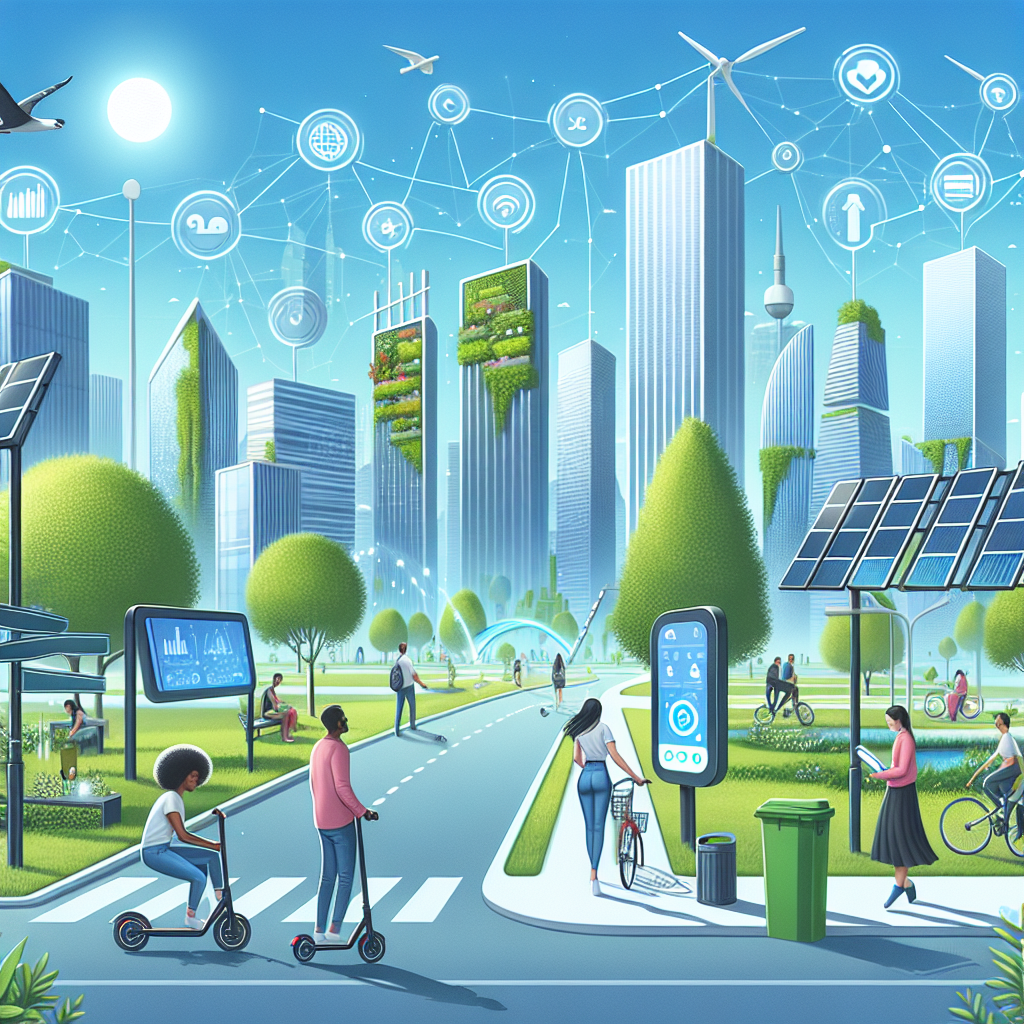
As urban populations boom and climate challenges escalate, the concept of "smart cities" is gaining traction. These modern metropolises leverage technology to enhance quality of life, streamline services, and promote sustainability. But what does this really mean for the average citizen, and how can smart cities impact our everyday lives? Let’s dive into the innovative technologies and principles driving this urban transformation.
What Exactly Are Smart Cities?
Smart cities utilize digital technology and data analytics to improve the management of urban resources. Think of it as your city getting a high-tech makeover. This doesn't mean every street will be lined with robots; rather, it involves integrating intelligent systems into various sectors like transportation, energy, and public safety to make daily operations more efficient.
How Do Smart Cities Improve Our Daily Lives?
At first glance, smart cities might sound like a distant dream, but many innovations are already at work in urban environments. Imagine a traffic system that adjusts signals based on real-time data, reducing congestion and lowering pollution levels. Consider park benches that charge your phone using solar energy. Smart waste bins that notify collectors when they're full to optimize trash collection also enhance efficiency. The possibilities seem endless, and they all converge on one vital goal: improving urban living.
The Role of Technology in Smart City Development
Central to smart city initiatives are technologies like the Internet of Things (IoT), artificial intelligence (AI), and big data analytics. IoT connections can monitor everything from traffic patterns to energy usage, ensuring that resources are allocated where they're needed most. Meanwhile, AI can analyze this data to forecast trends and enhance decision-making processes. It might sound complex, but the results can yield tangible benefits for residents—making cities smarter, not just 'digital.'
Challenges and Concerns
While the benefits are promising, the path to fully realized smart cities isn't without hurdles. Concerns about privacy, data security, and the digital divide remain prevalent. Many citizens worry their personal data might be misused. Moreover, not all neighborhoods have equal access to the technology that fuels these innovations, potentially exacerbating existing inequalities. It's crucial for city planners to prioritize inclusivity and transparency as they implement these systems.
Looking Ahead: The Future of Urban Living
As cities continue to evolve, the concept of "smart" will undoubtedly shift. The goal is to create environments that are not only efficient but also equally livable for all inhabitants. Through community engagement and innovative collaboration between public and private sectors, the vision for smart cities can be refined to meet the needs of diverse populations.
In essence, the future of urban living may well lie in the balance between technology and humanity. By harnessing the power of innovation, we can transform our cities into more sustainable, efficient, and inclusive spaces for everyone.

