Are Climate Change and Weather Patterns the New Normal? Here’s What You Need to Know!
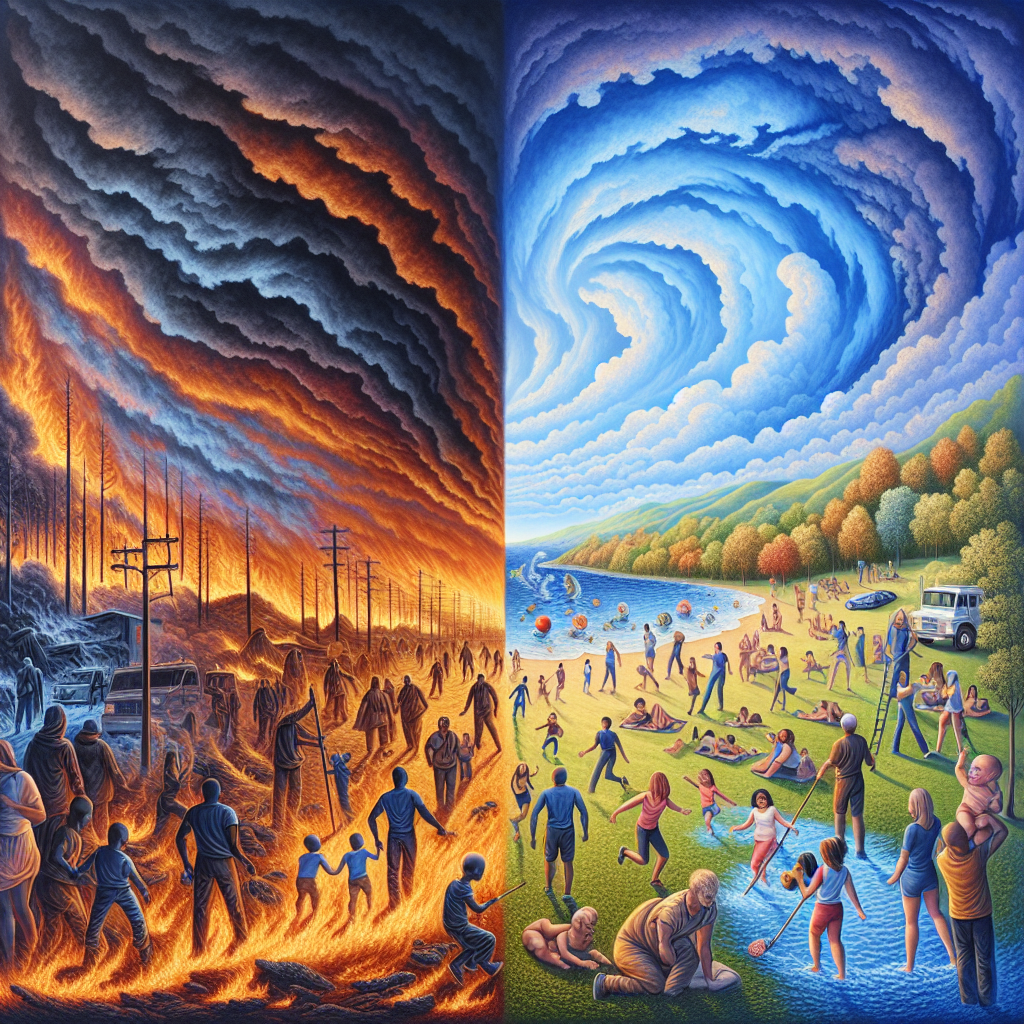
As weather patterns continue to evolve dramatically across the globe, many of us are left wondering: what does this mean for our daily lives? From wildfires to hurricanes, the impacts of shifting weather systems are more apparent than ever. This article will explore how these patterns are changing and what it could mean for you, your community, and the planet.
The Basics of Weather Patterns
Weather patterns refer to the regular changes in atmospheric conditions over time, influencing everything from temperature to precipitation. Typically, these patterns can be observed in cycles, such as the seasons. But in recent years, many of us have noticed these cycles becoming increasingly erratic and extreme.
What's Causing the Changes?
One of the primary drivers of changing weather patterns is climate change, mainly attributed to human activity. The burning of fossil fuels, deforestation, and agricultural practices are all contributing to an increase in greenhouse gases in our atmosphere. This buildup alters the delicate balance of our climate systems, leading to more frequent and severe weather events.
Real-Life Impacts: What You Can See Everyday
So what does this mean for you? The truth is that changing weather patterns have real-life, tangible consequences for everyone. If you've experienced unusually high temperatures or intense storms lately, you're not alone. A study by the National Oceanic and Atmospheric Administration reports that the U.S. has seen a 30% increase in extreme weather events over the last few decades. These shifts can affect agriculture, water supply, and your everyday lifestyle.
How To Prepare
With this knowledge in hand, it's essential to think about how to prepare for these changing conditions. Here are a few tips:
- Stay Informed: Regularly check weather forecasts and climate news.
- Prepare Your Home: Invest in home improvements that can withstand extreme weather.
- Emergency Kits: Have supplies ready for unexpected weather events.
- Engage with Your Community: Work with local organizations focused on climate resilience.
Final Thoughts
The shifting weather patterns are not just a passing trend; they represent an ongoing challenge we all must address together. By staying informed and prepared, we can better navigate these changes and mitigate their effects on our lives. Ultimately, understanding the science behind these patterns empowers us to take action—both individually and collectively—in protecting our environment for the future.

