
Ancient Whispers: The Enduring Allure of Egyptian Mythology in Today’s World
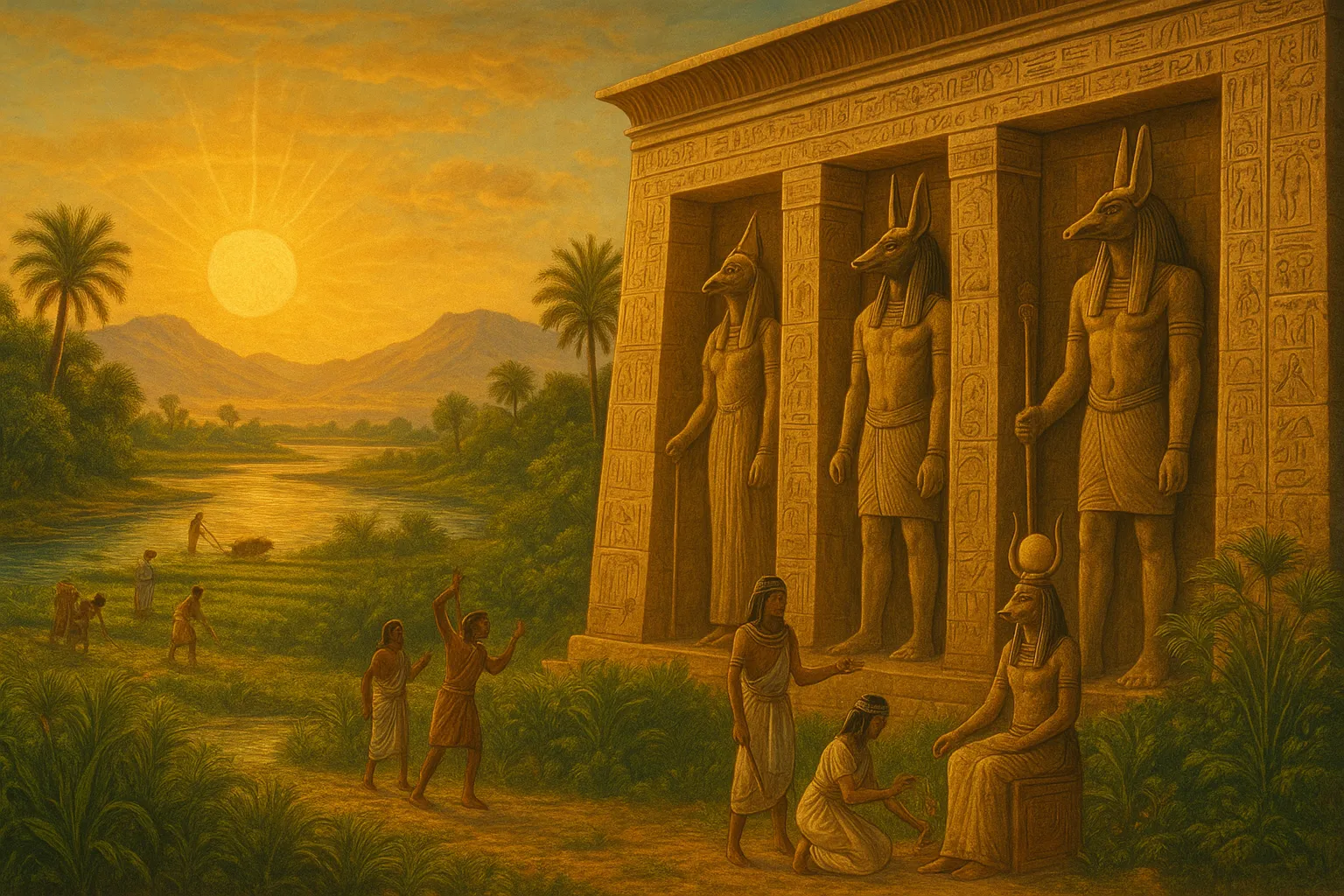
As we sift through the sands of time, the tales of ancient civilizations emerge with a powerful resonance, none more fascinating than the mythology of Egypt. This rich tapestry of gods and legends not only captivated the people of the Nile but continues to intrigue and inspire the modern world. From blockbuster films to bestselling novels, Egyptian mythology holds a magnetic allure that refuses to fade into obscurity.
The Pantheon of Egyptian Gods
At the center of Egyptian mythology lies an impressive pantheon of gods and goddesses, each embodying various aspects of life, death, and the cosmos. Key figures such as Ra, the sun god, and Osiris, the god of the afterlife, highlight the Egyptians' deep connection to nature and their quest for understanding the universe. Unlike many mythologies, Egyptian gods were often depicted with animal heads—like Anubis, the jackal-headed god of mummification. These forms represented their divine attributes, allowing ancient Egyptians to comprehend life's mysteries in tangible ways.
The Role of Myths in Ancient Egyptian Society
Myths served not only as stories but also as essential guidelines for ethical behavior and societal norms. They provided narratives that explained natural phenomena, such as the annual flooding of the Nile—which was critical for agriculture and survival. Myths also framed the pharaohs' divine right to rule, reinforcing the belief that they were intermediaries between the gods and the people. In essence, these stories shaped cultural identity and values, ensuring strong community cohesion.
Modern Interpretations and Adaptations
Today, the allure of Egyptian mythology resurfaces in various forms. Hollywood takes creative liberties, turning gods and mythical tales into blockbuster hits, while literature breathes new life into ancient stories. But the real magic may lie in how these myths can help us grapple with contemporary issues. For example, the tale of Isis and Osiris offers themes of love, resurrection, and redemption—universally relevant ideas that resonate with audiences across generations.
Why Egyptian Mythology Still Matters
In a world rife with challenges, Egyptian mythology also provides important lessons in resilience and harmony with nature. As climate change looms large, the ancient Egyptians’ reverence for the Nile can inspire us to reconnect with our environment. Moreover, exploring these myths encourages us to question our moral compass and understand that our actions today echo through time.
Conclusion: The Timeless Legacy of Egyptian Mythology
As we navigate the complexities of life, the stories of Egyptian mythology remind us of our shared humanity. They bridge the gap between past and present, illuminating paths forward in an ever-changing world. By engaging with these ancient tales, we gain insights not just into history, but also into ourselves. So the next time you encounter a reference to the gods of Egypt, take a moment to reflect on the timeless wisdom that these ancient narratives offer.




